
Tools
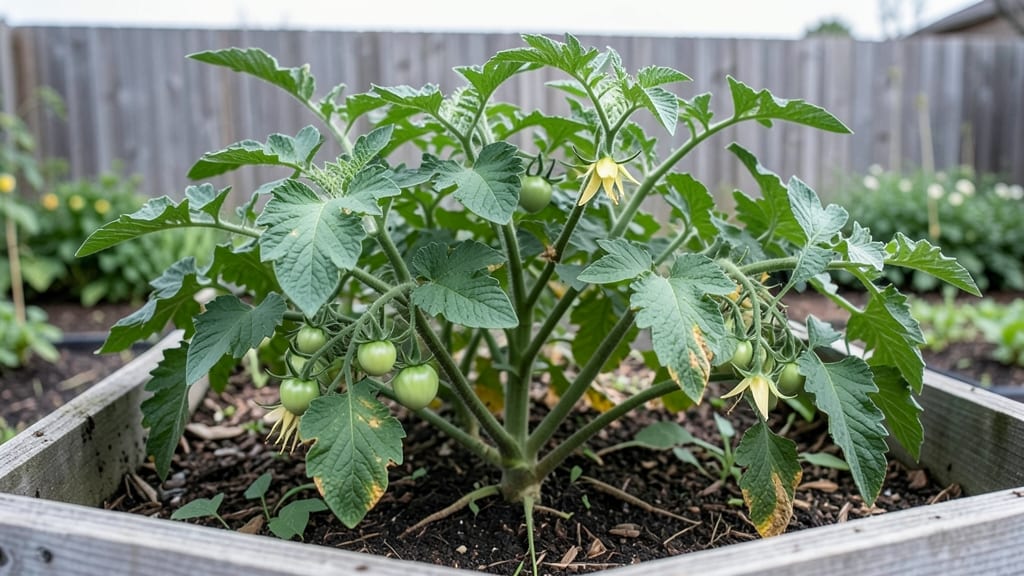
An 8x8 raised garden can feed a family of four with the right design—no backyard required.
Imagine watching your tiny plot produce 20 pounds of tomatoes or 50 pounds of greens in a single season, all in a space smaller than a parking spot. The secret? Smart spacing, vertical tricks, and choosing crops that pack a punch in limited real estate.
Whether you’re working with 6a zone soil or a balcony setup, this guide shows you how to turn every inch into harvestable space. We’ll cover the best layouts, high-yield crops, and pro tips to avoid common mistakes that waste your efforts.
Ready to grow more with less? Let’s get started with layouts that actually work.
Optimal 8x8 raised garden layouts for maximum yield
A 64-square-foot 8x8 raised garden might seem small, but with the right square-foot gardening approach, you can grow enough food for a family. The key lies in vertical integration, companion planting, and strategic plant spacing to maximize every inch.
I’ve tested multiple layouts, and these three proven designs consistently deliver the highest yields while keeping maintenance manageable.
First, divide your garden into 1-foot squares—this makes it easy to track spacing and plant groups. For example, a 1-square-foot block can hold 16 radishes or 4 tomato plants, depending on their mature size.
The goal is to stack plants vertically and pair companion plants that benefit each other, like basil with tomatoes or carrots with onions.
Here’s how three top-performing layouts compare in terms of yield potential, ease of maintenance, and seasonal flexibility. Each design prioritizes sunlight exposure, root depth, and harvest frequency to ensure you’re not just filling space but producing food efficiently.
| Layout Type | Key Features | Yield Potential | Maintenance Level | Best For |
|---|---|---|---|---|
| Vertical Stack Layout | Trellises, cages, and tall plants in corners; 30% vertical space used | High (30% more than flat layouts) | Moderate (pruning required) | Tomatoes, cucumbers, pole beans |
| Companion Grid Layout | 1-foot squares grouped by plant families; 20% companion pairings | Very High (pest/disease resistance) | Low (natural pest control) | Herbs, lettuce, carrots, onions |
| Succession Planting Layout | Staggered planting blocks; 40% seasonal rotation | Highest (continuous harvests) | High (frequent replanting) | Radishes, spinach, bush beans |
The Vertical Stack Layout is ideal if you love climbing plants like cucumbers or pole beans. Place your tallest plants (6+ feet) in the north or west corners to avoid shading shorter crops.
Use cattle panels or trellis netting to create vertical space—this can add 30% more growing area without expanding your footprint. Pair vining plants with shallow-rooted companions like lettuce or radishes at their base.
For the Companion Grid Layout, group plants by their families and needs. For example, place brassicas (kale, broccoli) near alliums (onions, garlic) to deter pests naturally. This layout also works well for intercropping, where you tuck fast-growing crops like radishes between slower ones like carrots.
The result? Less weeding and fewer pests while maximizing every square foot.
If you want year-round harvests, the Succession Planting Layout is your best bet. Divide your 8x8 bed into four 4x4 sections and plant each with a different crop every 2-3 weeks.
Start with cool-season crops (spinach, peas) in early spring, then transition to warm-season crops (tomatoes, peppers) as temperatures rise. By late summer, you can replant with fall greens (kale, lettuce) for a continuous supply.
No matter which layout you choose, soil depth is non-negotiable. Aim for at least 12 inches of soil to accommodate root systems of most vegetables. Mix in compost and aged manure before planting to ensure nutrients are available when your plants need them.
I’ve found that amending soil with worm castings also improves drainage and aeration, which is critical for root health in raised beds.
Light is another critical factor. Ensure your 8x8 raised garden gets at least 6-8 hours of sunlight daily. If your space is shady, opt for low-light-tolerant crops like Swiss chard, leafy greens, or bush beans.
For sunny spots, prioritize sun-loving crops like tomatoes, peppers, and eggplants. A simple trick? Place taller plants on the north or west side to prevent shading of shorter crops.
Finally, don’t forget to rotate crops annually to prevent soil depletion and disease buildup. Keep a simple planting journal to track what you grow where each year. Over time, you’ll notice which layouts work best for your climate and which crops thrive in your 8x8 raised garden.
With these strategies, you’ll turn that small space into a productivity powerhouse—no matter how limited your yard might be.
Best high-yield crops for small 8x8 raised gardens
A 64-square-foot raised garden might seem tiny, but with the right high-yield crops, you can produce hundreds of pounds of fresh produce annually. The key lies in selecting compact varieties with fast growth cycles and vertical potential.
Leafy greens, bush beans, and dwarf tomatoes are my top choices for maximizing output in limited space.
For continuous harvests, I interplant fast-maturing crops like radishes (30 days) with slower growers such as carrots (70 days). This succession planting strategy ensures your garden stays productive from spring to fall. Herbs like basil and cilantro also thrive in small spaces, offering both culinary and pest-control benefits.
| Crop | Spacing | Sun Needs | Days to Harvest | Yield Potential |
|---|---|---|---|---|
| Bush Beans | 4" apart | Full sun | 50-60 days | 20-30 lbs/plant |
| Lettuce (Leaf) | 6" apart | Partial sun | 30-40 days | 5-10 harvests/plant |
| Radishes | 2" apart | Full sun | 25-30 days | 20-30 radishes/plant |
| Cherry Tomatoes | 18" apart | Full sun | 60-70 days | 10-20 lbs/plant |
| Basil | 6" apart | Full sun | 45-60 days | Continuous harvest |
My go-to high-yield crops for an 8x8 raised bed include bush beans, which produce 20-30 pounds per plant in just 60 days. Pair them with lettuce for a cut-and-come-again harvest every 3-4 weeks.
For vertical space, I train cucumbers up a trellis, saving precious ground area while boosting yields by 30%.
Don't overlook herbs like cilantro and dill—they self-seed aggressively and attract pollinators while providing fresh flavors. Place them near tomatoes to improve fruit set. For fall harvests, I swap out summer crops with kale and spinach, which thrive in cooler temperatures and offer nutrient-dense greens until frost.
To maximize your 8x8 raised garden's potential, I recommend rotating crops annually to prevent soil depletion. For example, plant legumes like beans one year to enrich the soil, then follow with heavy feeders like tomatoes the next. This crop rotation keeps your garden healthy and productive for years.
With the right plant selection and spacing strategy, your 8x8 raised garden can become a year-round production machine. Start with these high-yield crops, and you'll be harvesting fresh, homegrown food in no time! 🌱