
Companion Plants
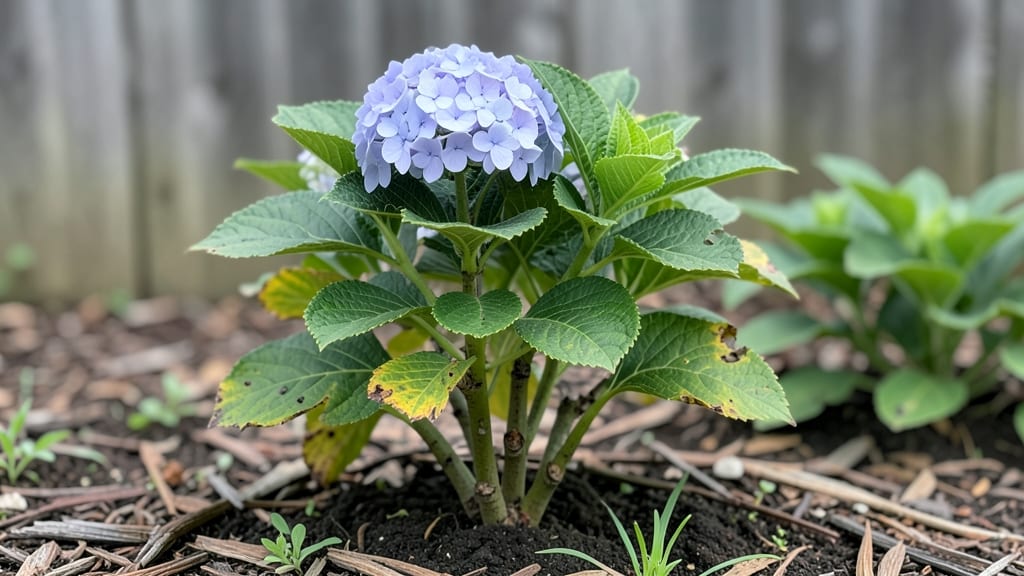
Transforming my windswept backyard into a lush retreat, I layered the right garden plants and bushes to create a year-round privacy screen of vibrant, ever-changing foliage. The key isn’t just planting bushes—it’s layering them by height, texture, and seasonal interest so there’s always something lush blocking the view.
My first attempt used only evergreens, but adding deciduous shrubs and ornamental grasses filled in the gaps when some plants dropped leaves in winter.
Start with three to five plant types—tall evergreens like arborvitae or leyland cypress for the backbone, mid-height shrubs such as hydrangeas or spirea for structure, and low-growing perennials or grasses for texture. Soil prep matters most: amend with compost to improve drainage, and mulch heavily to retain moisture.
Most of these plants thrive in full sun to partial shade, but check your zone—some, like boxwoods, handle shade better than others.
By summer, you’ll have a dense, vibrant wall that muffles noise and keeps neighbors’ views at bay. The best part? Once established, these layers need minimal pruning—just a seasonal trim to shape them and remove dead growth.
Even in winter, evergreens and bare branches add structure, while seed heads and bark textures keep things interesting. Confession: I used to dread winter gardens, but now I look forward to the quiet elegance of the skeleton plants.
This works for small urban yards or sprawling rural properties—just adjust spacing. In tight spaces, opt for dwarf varieties or container-grown plants to save room. The payoff? A low-maintenance, high-impact backyard that feels like a sanctuary year-round. Let’s get planting!
📚 In This Guide
- What you need
- Instructions
- Tips and common mistakes
- Wrapping up and next steps
What you need
- ● Plants & Bushes: 1–3 evergreen shrubs (e.g., Boxwood, Holly, or Arborvitae) – mature height: 3–6 ft
- ● 2–4 medium-height perennials (e.g., Hydrangea, Lavender, or Salvia) – mature height: 2–4 ft
- ● 3–5 ground cover plants (e.g., Creeping Thyme, Ajuga, or Mondograss) – spreads 12–24" wide
- ● Soil & Amendments: 5–10 bags high-quality garden soil (or 1 cubic yard for large areas)
- ● 1–2 bags compost or organic mulch (for nutrient boost)
- ○ Optional: Slow-release fertilizer (e.g., Osmocote)
- ● Tools: 1 garden trowel (for transplanting)
- ● 1 pruning shears (sharp, bypass-style)
- ● 1 wheelbarrow (for soil/amendments)
- ● 1 garden hose or watering can (with spray nozzle)
- ○ Optional: Soil pH tester (to check acidity/alkalinity)
- ● ✅ Sunlight assessment: Note your garden’s light conditions (full sun, partial shade, or full shade) to pick the right plants.
- ● ✅ Space planning: Measure your garden area and sketch a rough layout (leave 2–3 ft between shrubs for growth).
- ● ✅ Weather check: Plant in spring or early fall (avoid frost or extreme heat).
- ○ Optional but helpful: Erosion control fabric (for sloped areas)
- ● Mulch (e.g., cedar chips or pine straw) to retain moisture
Step-by-Step guide to designing a year-round privacy screen with foliage layers
Here's how to create a lush, evergreen privacy barrier that thrives with minimal effort.
Select the Right Foundation Plants for Structure
Start with 4 evergreen shrubs as your anchor layer—these provide the year-round backbone of your privacy screen. I recommend varieties like Emerald Green Arborvitae or Leyland Cypress, which grow 12-24 inches per year and tolerate both sun and partial shade. Plant them 5-6 feet apart in a straight line to create a uniform, dense hedge.
Dig holes twice as wide as the root ball but only as deep—this prevents burying the stem too deeply, which can cause rot. Amend the native soil with 1 part compost to improve drainage and nutrient retention. Water each plant deeply before backfilling to eliminate air pockets around the roots.
Add Mid-Layer Shrubs for Texture and Seasonal Interest
Fill the gaps between foundation plants with 3-4 medium-sized shrubs like Dwarf Fothergilla or Inkberry Holly, which offer year-round color and seasonal blooms. These should be spaced 3-4 feet apart and planted 12-18 inches deeper than their nursery pots to encourage strong root establishment.
I like to stagger these plants slightly behind the foundation layer so they don’t compete for sunlight. Mulch around the base with 2-3 inches of shredded bark, keeping it 6 inches away from the stem to prevent moisture buildup. This suppresses weeds while retaining soil moisture—critical in the first 6-8 weeks as roots establish.
Incorporate Perennial Grasses and Ferns for Softness
Weave in 4-5 clumping perennials like Japanese Forest Grass or Ostrich Fern to add movement and soften the structure. These thrive in partial shade and grow 18-24 inches tall, filling vertical gaps beautifully. Plant them 18-24 inches apart in clusters of 3 to create natural groupings.
Dig holes just deep enough to accommodate the root ball without bending stems. Water immediately after planting, then again every 2-3 days until you see new growth—usually within 10-14 days. These plants won’t provide instant privacy but will mature into a lush, textured backdrop within 2-3 years.
Layer in Climbing Vines for Height and Density
Train 2-3 vigorous vines like Clematis or Star Jasmine along a 6-foot trellis placed behind your foundation shrubs. These will fill vertical space quickly, adding 10-12 feet of height while requiring minimal maintenance. Plant them 12 inches from the trellis to encourage outward growth.
Use 4-6 stakes to secure the trellis firmly before attaching vines with soft plant ties. Water deeply once a week during the first growing season to encourage deep rooting. Prune back leggy growth in early spring to redirect energy into bushier, denser foliage—this ensures your privacy screen fills in uniformly.
Maintain with Strategic Pruning and Seasonal Care
Prune foundation shrubs once a year in late winter to remove dead or crossing branches. Shear lightly to maintain shape, but avoid cutting into old wood—this keeps plants healthy and encourages new growth. For perennials, cut back dead foliage in early spring before new shoots emerge, usually by mid-March in most climates.
Mulch annually in early spring with 2-3 inches of fresh bark, replenishing as it decomposes. Fertilize once in early spring with a slow-release, balanced formula (10-10-10) to support steady growth. Water deeply every 7-10 days during dry spells, focusing on the root zones rather than overhead spraying to prevent disease.
Tips & tricks for perfect year-round privacy screens
Creating a lush, low-maintenance privacy screen takes thoughtful planning—and these expert tips will help you avoid common pitfalls while maximizing growth and beauty.
Plant Placement Precision: When positioning your foundation shrubs in Step 1, take note of mature heights—not current ones. Emerald Green Arborvitae and Leyland Cypress will eventually reach 12-15 feet tall, so place them at least 3 feet back from property lines to avoid overhanging into neighboring yards. I've seen too many beautiful screens ruined by last-minute adjustments when plants outgrow their space.
Soil Preparation Strategy: The compost amendment in Step 1 is non-negotiable for root health, but don't stop there. Conduct a simple soil test before planting to check pH levels—most evergreens prefer slightly acidic soil (pH 5.0-6.5). If your soil tests basic, add sulfur or peat moss to adjust before planting. This single step can double your establishment success rate in the first critical year.
Layering for Visual Balance: In Steps 2-4, resist the urge to make everything uniform. Stagger the mid-layer shrubs behind your foundation plants by about 18 inches, and place your perennials in irregular clusters rather than straight lines. This creates natural depth perception and prevents that "planted by the numbers" look. Think of it like painting with foliage—variation creates visual interest.
Watering Wisdom: The 2-3 days of frequent watering in Step 3 is essential, but timing matters just as much. Water in the early morning to reduce evaporation and fungal risks. Use a soaker hose placed at the base of each plant rather than overhead sprinklers—this delivers moisture directly to roots while preventing foliar diseases that can plague young plants.
Pro Tips for Garden Plants And Bushes
- Creating a lush, low-maintenance privacy screen takes thoughtful planning—and these expert tips will help you avoid common pitfalls while maximizing growth and beauty.
- Plant Placement Precision: When positioning your foundation shrubs in Step 1, take note of mature heights—not current ones.
- Soil Preparation Strategy: The compost amendment in Step 1 is non-negotiable for root health, but don't stop there.
Frequently asked questions
Got questions about creating a lush, low-maintenance privacy screen? Here are some of the most common ones—plus quick answers to help you garden with confidence!
What are the best fast-growing plants for quick privacy?
For rapid results, opt for Bamboo (clumping varieties like Fargesia), Leyland Cypress, or Arborvitae. These grow 3–5 feet per year and thrive in full sun to partial shade. Pair them with slower shrubs like Holly or Boxwood for layered texture.
How soon can I expect full coverage from my foliage layers?
Most shrubs take 2–5 years to fill in, depending on spacing and care. Plant Evergreen Azaleas or Camellias for faster color, but expect dense growth in 3–4 years. Pro tip: Mulch annually and water deeply during droughts to speed up maturity!
Can I mix deciduous and evergreen plants for year-round privacy?
Deciduous trees like Dogwood or Serviceberry add seasonal interest, while evergreens (e.g., Inkberry Holly) keep coverage year-round. Space evergreens closer (3–6 feet apart) and deciduous plants wider (10–15 feet) for balanced growth.
What’s the easiest way to deter pests from my privacy bushes?
Prevent pests with neem oil sprays (for aphids/mites) or Diatomaceous Earth (for slugs). Plant Marigolds or Lavender nearby—their scents repel bugs naturally! Prune regularly to improve airflow, reducing hiding spots for pests.
Are there drought-tolerant options for low-maintenance foliage?
Yes! Try Dwarf Pittosporum, Cotoneaster, or Dwarf Butterfly Bush. These thrive on 1–2 inches of water weekly once established. Group them with Succulents (like Sedum) for a water-wise, textured screen.
How do I fix uneven growth in my privacy hedge?
Uneven growth? Prune in stages: Trim 1/3 of new growth in early spring, then lightly shape again in summer. Use hand shears for detail and hedge clippers for bulk. Feed with compost to encourage balanced regrowth—avoid heavy fertilizers, which can cause leggy growth!
Wrapping up and next steps
Transforming your outdoor space into a lush, private retreat is easier than ever with the right garden plants and bushes! From evergreens like Arborvitae to flowering shrubs such as Hydrangeas, low-maintenance foliage layers offer year-round beauty and seclusion without the hassle.
Whether you’re a seasoned gardener or just starting, these plants bring effortless elegance to your yard—and the best part? They thrive with minimal upkeep.
Ready to take the next step? Sketch a simple layout of your space, then pick 2-3 plants that suit your climate and style.
Start small—even a single Boxwood or Holly bush can make a big impact! 🌿 With the right choices, your private oasis is just a few seasons (and a little soil) away.