Flowers
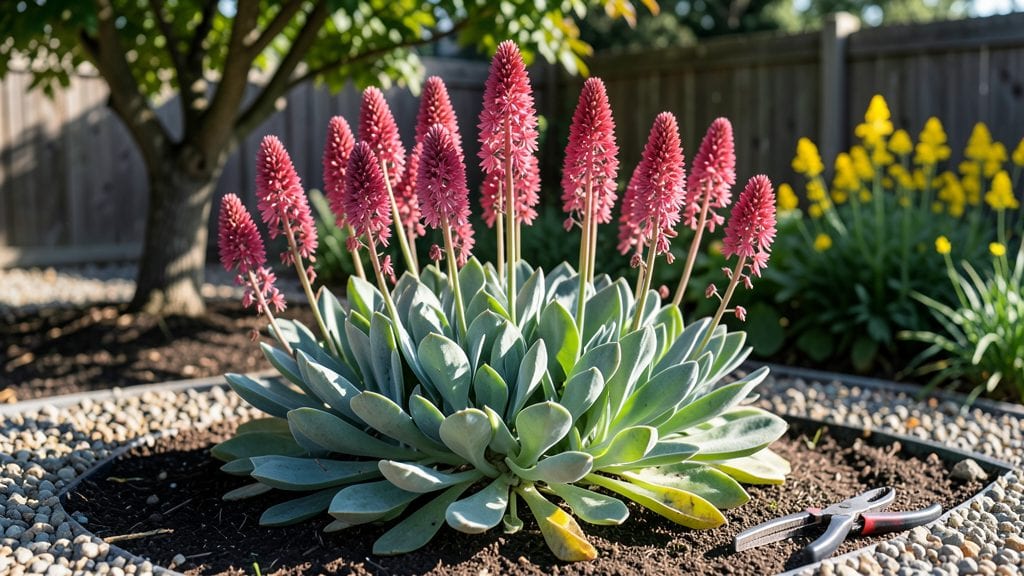
The solid ground gardens I built last spring became my backyard sanctuary—thick with texture, layered with color, and finally offering the privacy I’d been missing for years.
What started as a blank slate transformed into a living tapestry where every season brings something new, from winter’s evergreen ground covers to summer’s cascading blooms.
This design isn’t about fleeting annuals or high-maintenance perennials—it’s about durable, low-maintenance plants that thrive close to the ground. Think creeping thyme underfoot, heuchera’s velvety foliage, and ornamental grasses that sway like a secret meadow.
The key? Layering plants by height and season so there’s always something blooming or interesting, while rocks and pathways tie it all together.
By year’s end, you’ll have a garden that feels permanent and polished, not seasonal and scattered. The privacy? Unmatched. The color? Always fresh. And the best part? It requires less fuss than a traditional border. Here’s how to build yours—step by step.
Works in any yard size, from urban backyards to rural acres. Whether you’re starting fresh or refreshing an existing space, this approach delivers year-round beauty with minimal effort. Let’s get growing!
Root Causes of Unstable Planting Beds
When designing solid ground gardens that thrive year-round, one of the biggest challenges isn’t just choosing the right plants—it’s understanding why some planting beds fail to provide the stability, privacy, and color they promise.
Whether your garden struggles with erosion, poor drainage, or plants that refuse to take root, the root causes often boil down to a few key factors. Let’s dig into the science behind these issues so you can address them with confidence.
Healthy plants need well-aerated, nutrient-rich soil to establish strong roots. Unfortunately, many gardeners unknowingly create compacted or nutrient-poor beds through tilling, heavy foot traffic, or using fill dirt (like construction debris). Here’s why this happens:
- Over-tilling: While it may seem counterintuitive, excessive tilling destroys soil structure, breaking down organic matter and killing beneficial microbes. Result? Soil becomes dense and repels water, making it hard for roots to penetrate.
- Clay-heavy or sandy soils: Clay holds too much water, suffocating roots, while sandy soil drains too quickly, starving plants of moisture and nutrients. Without amendments, these extremes create an unstable foundation.
- Lack of organic matter: Soil without compost, leaf mold, or aged manure lacks the glue-like humus that binds particles together. Over time, this leads to erosion and poor root anchorage.
Actionable fix: Test your soil (a simple pH kit or local extension office can help) and amend with 3–4 inches of compost or a mix of peat moss and perlite to improve texture. For compacted areas, consider deep mulching with wood chips to encourage earthworms and microbial activity.
Water is essential, but too much of it is a silent killer for planting beds. Poor drainage isn’t just about standing water—it’s about soil that stays soggy for days, cutting off oxygen to roots. Here’s what’s really going on:
- High water tables: If your garden sits in a low-lying area or near a slope, groundwater can rise and saturate the root zone, especially after heavy rains.
- Impermeable layers: Compacted subsoil or hardpan (a dense layer of clay or rock) acts like a waterproof barrier, preventing excess moisture from draining away.
- Over-mulching without proper slope: A thick layer of mulch (over 4 inches) can suffocate soil and trap moisture, leading to fungal diseases like root rot.
Actionable fix:
- Create raised beds or berms (mounded soil) to elevate plants above water tables.
- Install French drains or swales (shallow trenches) to redirect water away from problem areas.
- Use gravel or sand in the base layer of planting beds to improve drainage before adding soil.
If your garden is on a slope, exposed to wind, or lacks protective barriers, erosion can strip away soil—and with it, your carefully planted layers. But erosion isn’t just about losing dirt; it’s about disrupting the delicate balance of soil microbes and root systems that keep plants stable.
- Lack of ground cover: Bare soil erodes 10x faster than soil covered with plants or mulch. Raindrops and wind loosen particles, washing them away.
- Steep slopes: Gravity does the work for erosion, especially after heavy rains. Without intervention, topsoil (the most fertile layer) gets washed downhill.
- Wind tunnels: Open spaces or tall, sparse plants create wind currents that desiccate soil and uproot young seedlings.
Actionable fix:
- Plant deep-rooted ground covers like creeping thyme, clover, or sedum to hold soil in place.
- Install terracing or retaining walls on slopes to break up the grade and slow water flow.
- Use biodegradable erosion control blankets (made from coconut fibers or straw) on bare spots until plants establish.
Even with perfect soil and drainage, the wrong plants can turn a solid ground garden into a seasonal disappointment. Mismatches happen when:
- Plants have incompatible growth habits: Fast-growing annuals (like sunflowers) may outcompete slower perennials (like lavender) for sunlight and nutrients, leading to stunted growth.
- Light or moisture needs don’t align: Planting shade-loving ferns next to sun-hungry roses creates a tug-of-war for resources, weakening both.
- Invasive or aggressive spreaders dominate: Plants like mint, bamboo, or English ivy can choke out desired species, disrupting the layered structure.
Actionable fix: Group plants by sunlight, water, and height requirements in three distinct layers:
- Back layer (tallest, 6–10 ft): Shrubs like hydrangeas or arborvitae for privacy.
- Mid layer (3–6 ft): Perennials like coneflowers or ornamental grasses for texture.
- Front layer (under 2 ft): Creeping thyme or ajuga to suppress weeds and add color.
Pro tip: 🌡️ Check plant tags for mature size—many shrubs listed as "3 ft tall" can easily reach 6 ft if given the right conditions!
Quick Fixes for Common Garden Struggles
A thriving solid ground garden shouldn’t feel like a guessing game—especially when seasons shift and challenges pop up. Whether it’s soil compaction, invasive weeds, fading foliage, or seasonal color gaps, these practical solutions will help you restore balance and keep your garden lush year-round.
Below, we’ve mapped the most common issues to easy, actionable fixes, plus prevention tips to save you time (and frustration) down the road.
Problem: Heavy foot traffic, clay soil, or poor water flow can turn your garden bed into a soggy or rock-hard mess, stunting plant growth.
How to Solve It:
- 🔥 Loosen the Soil Use a broadfork or garden fork to aerate compacted areas without disturbing roots. Work it in 2–3 inches deep, then top with 2–3 inches of compost to improve structure.
- 🍳 Add Organic Matter Mix in aged compost, coconut coir, or leaf mold to break up clay and boost drainage. For sandy soil, blend in peat moss or well-rotted manure for moisture retention.
- 👨🍳 Install Drainage Solutions
- For slopes: Create swales (shallow trenches) to redirect water.
- For flat beds: Add a gravel layer (1–2 inches) beneath planting soil.
- For containers: Drill drainage holes and use terracotta pots to prevent root rot.
💡 Prevention Tip: Walk on mulch paths (like wood chips or gravel) instead of garden beds to avoid compacting soil. Avoid tilling—it disrupts soil microbes!
Problem: Weeds like bindweed, creeping Charlie, or nutgrass steal nutrients and crowd out your prized plants.
How to Solve It:
- 🔪 Manual Removal (Best for Small Patches)
- Pull weeds when soil is moist (early morning or after rain).
- Use a weeding knife for deep roots (like dandelions).
- Drop seeds in a bucket of soapy water to kill seeds before they spread.
- 🌡️ Smothering & Mulching
- Cardboard or landscape fabric under mulch blocks light (great for bare spots).
- Living mulch (like clover or creeping thyme) outcompetes weeds naturally.
- 🎯 Targeted Herbicides (Last Resort) Use vinegar-based sprays (for broadleaf weeds) or corn gluten meal (pre-emergent for seeds). Avoid glyphosate—it harms beneficial soil life.
💡 Prevention Tip: Apply a 2–3 inch layer of mulch (straw, wood chips, or pine needles) to suppress weeds before they sprout. Hand-pull weekly in high-traffic areas.
Problem: Plants lose vibrancy due to nutrient depletion, overwatering, or seasonal stress (e.g., brown leaves in winter, dull blooms in summer).
How to Solve It:
- 📊 Soil Test & Feed Smart
- For greens: Use a balanced fertilizer (10-10-10) or fish emulsion for a quick nitrogen boost.
- For blooms: Switch to low-nitrogen, high-phosphorus (5-10-10) in spring/summer.
- For evergreens: Add iron sulfate if leaves turn yellow (chlorosis).
- 💦 Adjust Watering Habits
- Overwatering? Let soil dry 1–2 inches deep between waterings. Use a moisture meter for accuracy.
- Underwatering? Water deeply 2–3x/week (early morning) and add hydrogel crystals for drought-prone plants.
- 🌿 Prune & Refresh
- Deadhead spent blooms to encourage new growth.
- Trim leggy stems to promote bushier, healthier plants.
- Rotate plants every few years to prevent soil fatigue.
💡 Prevention Tip: Plant in layers with seasonal interest—mix spring bulbs, summer perennials, and fall/winter shrubs (like hellebores or holly) to avoid color gaps.
Problem: Your garden’s privacy screen or windbreak looks sparse in certain seasons (e.g., bare trees in winter, floppy grasses in rain).
How to Solve It:
- 🌳 Layer for Year-Round Cover Combine fast-growing shrubs (like privet or arborvitae) with climbing vines (ivy, clematis) and ornamental grasses (for texture).
- Winter interest: Plant evergreens (boxwood, juniper) or bark plants (dogwood, birch).
- Spring blooms: Add camellias or magnolias for early color.
- 👨🍳 Install Trellises & Supports Use metal or wooden trellises to train vines (e.g., climbing roses, wisteria) for quick coverage. Stake tall grasses (like miscanthus) to prevent flopping.
- ✨ Add Temporary Screens For instant privacy, try:
- Bamboo rolls (biodegradable, great for rentals).
- Living walls (pre-planted fabric panels).
- Retractable screens (for patios).
💡 Prevention Tip: Prune in late winter to shape hedges before new growth starts. Mulch heavily (4–6 inches) around woody plants to protect roots in winter.
Final Thought: A solid ground garden thrives on prevention + quick action. Tackle issues early, and your garden will reward you with color, privacy, and resilience—no matter the season! 🌿✨
Frequently asked questions
What are the best plants for creating a low-maintenance ground cover?
For a resilient, low-maintenance ground cover, opt for hardy perennials like creeping thyme (drought-tolerant and fragrant), ajuga (purple foliage and blue flowers), or sedum (succulent-like and drought-resistant). These plants suppress weeds, thrive in partial shade, and require minimal water once established.
How do I design a layered garden for year-round privacy?
Layer plants by height and season: Start with tall shrubs (6–10 ft) like arborvitae or hydrangeas for privacy, add mid-height perennials (3–6 ft) like coneflowers for texture, and finish with low-growing ground covers (under 2 ft) like heuchera or creeping phlox. Include evergreens and winter-interest plants to maintain coverage all year.
Can I build a solid ground garden in a small urban space?
Use container gardening for herbs and small perennials, install vertical planters on fences or walls, and choose compact varieties like dwarf boxwood or miniature hostas. Even a 6-inch-wide strip along a walkway can be transformed into a layered, low-maintenance border.
What’s the best way to prevent erosion in a sloped garden?
Combine deep-rooted ground covers (like creeping thyme or clover) with terracing or retaining walls to slow water flow. Add biodegradable erosion blankets (coconut fiber or straw) on bare spots until plants establish. Mulch heavily (3–4 inches) to protect soil from heavy rains.
How do I keep my solid ground garden looking fresh without constant pruning?
Choose self-cleaning plants like ornamental grasses (they shed naturally) and deadhead regularly for perennials. Use mulch (3–4 inches) to suppress weeds and retain moisture, and group plants by water needs to simplify care. A little seasonal pruning (like cutting back last year’s growth in early spring) keeps things tidy with minimal effort.