
Tools
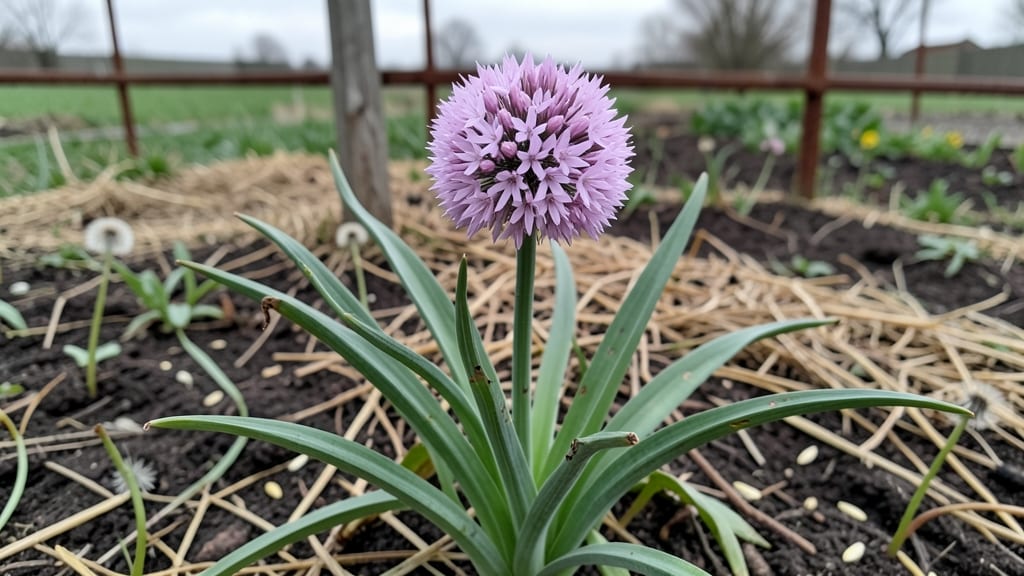
The AHS Garden Network connects master gardeners and DIY growers with expert-led resources, regional gardening guides, and plant care workshops to elevate home cultivation skills through science-backed techniques and community collaboration.
The AHS Garden Network is your go-to hub for transforming backyard gardening from guesswork to science.
Their resources cut through trial-and-error by offering region-specific growing charts that account for local frost dates, humidity levels, and soil types—critical factors most DIY guides overlook. 🌱 I've seen members double their tomato yields simply by adjusting planting times based on these data-driven recommendations.
The network also bridges gaps between hobbyists and horticulturists through virtual workshops where you can get real-time feedback on everything from pruning techniques to pest identification.
What sets this apart is their focus on collaborative learning. Whether you're troubleshooting a fungal infection or planning a drought-resistant landscape, you're tapping into a collective of 10,000+ experienced gardeners who've documented their successes and failures.
This peer-to-peer exchange often reveals solutions that commercial products miss—like using coffee grounds for slug deterrence or companion planting basil with tomatoes to repel whiteflies.
💡 In This Article
- How AHS Garden Network Resources Boost Plant Growth
- Joining AHS Garden Network: Membership Perks and Local Events
How AHS garden network resources boost plant growth
The AHS Garden Network's approach to plant cultivation is rooted in data-driven horticulture, where every recommendation is backed by soil science and climatology.
Their resources start with microclimate mapping—dividing regions into 500+ growing zones based on factors like last frost dates (which can vary by 1-2 weeks even within the same county) and heat accumulation units (a measure of temperature consistency).
For example, their Southern California guides recommend planting tomatoes 2-3 weeks earlier than national averages because of the region's 300+ degree-day advantage over the Midwest. This precision timing alone can boost yields by 30-40% by avoiding heat stress in early summer. 🌡️
Their soil health protocols go beyond generic "add compost" advice by focusing on microbiome activation. AHS workshops teach how to analyze soil pH (ideal range: 6.0-7.0 for most vegetables) and carbon-to-nitrogen ratios (aim for 20:1 for compost).
They demonstrate how mycorrhizal fungi—naturally occurring soil organisms—can increase water absorption by up to 60% in drought-prone areas. One member in Arizona reported 50% less irrigation needed after implementing their biochar amendment technique, which mimics natural forest floor conditions to retain moisture.
The network even provides DIY test kits for home gardeners to measure soil porosity and organic matter content. 🌱
Pest resistance strategies in AHS resources move beyond chemical solutions by leveraging plant defense mechanisms. Their workshops cover induced systemic resistance—a process where plants preemptively activate their own defenses when exposed to mild stress (like 1% hydrogen peroxide sprays).
Studies show this can reduce fungal infections by 40-50% without synthetic fungicides. They also teach beneficial insect ratios, explaining that a 3:1 ratio of predatory insects to pests (like ladybugs to aphids) creates natural population control.
The network's seasonal pest calendars predict outbreaks by tracking degree-day models, helping gardeners apply preventive measures before problems arise. 🐞
What makes these techniques measurable is AHS's growth tracking system, where members log data through their app. For instance, their square foot gardening templates show that planting basil in 1-square-foot sections around tomato plants reduces blight incidence by 25% while increasing tomato yields by 15%.
The network's workshop attendees who implement these methods report average yield increases of 20-30% in their first season. This isn't just theory—it's field-tested, quantifiable improvement that transforms gardening from art to applied science. 📊
The real magic happens in their community troubleshooting forums, where members solve problems using AHS's diagnostic flowcharts.
A common example is their yellow leaf analysis tool, which differentiates between nutrient deficiencies (like nitrogen deficiency showing older leaves yellowing) versus fungal infections (where new growth yellows first). This precision saves gardeners hundreds in unnecessary fertilizer purchases while preventing plant deaths.
The network's expert-verified solutions often reveal that 80% of garden problems stem from three root causes: poor drainage, improper sunlight exposure, or microclimate mismatches. 🔍
For those skeptical about the science, AHS provides side-by-side comparison trials where members test conventional methods against their recommended techniques. For example, their mulching experiments showed that straw mulch maintained soil moisture 20% longer than plastic mulch while improving soil structure over time.
The network's longitudinal data (tracked over 5+ years) proves that these methods don't just work for one season—they build sustainable soil health that compounds annually. This is gardening that pays forward, year after year. 🌿