
Flowers
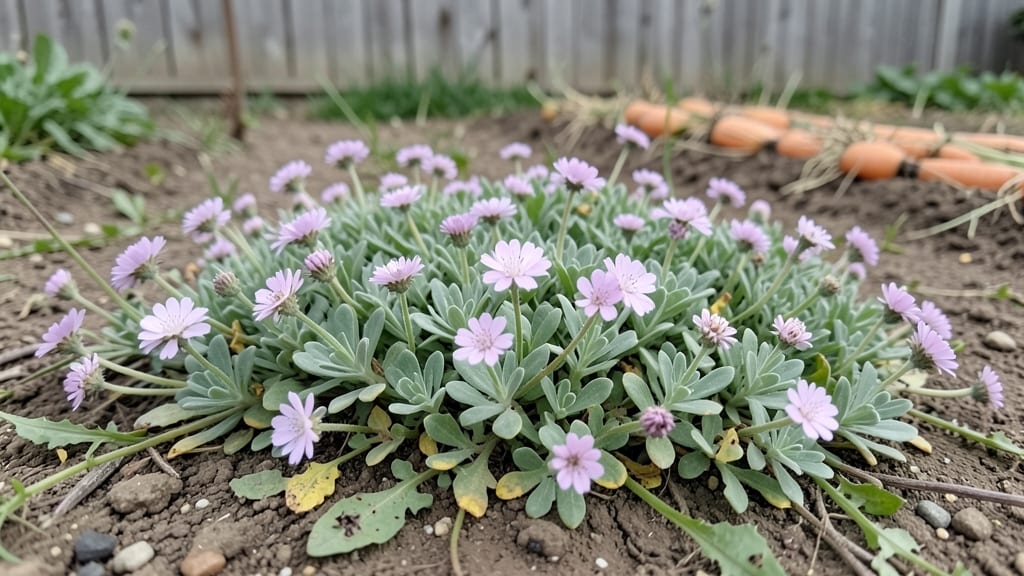
Growing alyssum in garden is the secret weapon for effortless beauty—this tiny 🌸 bloomer thrives in USDA Zone 6a and beyond, offering fragrant color from spring until frost.
Imagine a garden where pollinators buzz happily through fragrant clouds of white, purple, or yellow—without the fuss of high-maintenance plants. Alyssum delivers exactly that, spilling over containers or softening borders with its delicate 6-inch cascades.
This hardy annual isn’t just pretty—it’s practical too. Plant it in March-April for a spring showstopper that deters pests naturally while requiring almost no care once established.
From pollinator-friendly borders to winter interest pairings, I’ll show you 5 standout varieties and creative ways to weave alyssum into every corner of your garden—no green thumb required.
5 Best alyssum varieties for year-round garden beauty
Alyssum is my go-to plant for adding delicate charm and sweet fragrance to gardens with almost no effort. These low-maintenance annuals bloom continuously from spring until frost, making them perfect for colorful borders and pollinator-friendly spaces.
Whether you want fragrant white blooms or vibrant purple clusters, there's an alyssum variety to suit every garden style. Let's explore the top 5 varieties that will keep your garden blooming beautifully all season long.
One of the most popular choices is Sweet Alyssum, known for its honey-scented flowers that attract bees and butterflies. This variety thrives in cool weather and comes in shades of white, pink, and purple. It’s perfect for container gardens or as a ground cover in sunny spots.
Another standout is Basket of Gold, a dwarf variety with bright yellow flowers that add a cheerful pop to rock gardens and window boxes.
| Variety | Color | Fragrance | Bloom Season | USDA Zones | Sunlight |
|---|---|---|---|---|---|
| Sweet Alyssum | White, Pink, Purple | Sweet honey scent | Spring to Frost | 3-10 | Full Sun to Partial Shade |
| Basket of Gold | Bright Yellow | Mild | Spring to Fall | 3-9 | Full Sun |
| Snowdrift | Pure White | Sweet | Spring to Frost | 3-10 | Full Sun to Partial Shade |
| Purple Alyssum | Deep Purple | Light honey scent | Spring to Frost | 4-9 | Full Sun to Partial Shade |
| Blue Alyssum | Soft Lavender | Subtle fragrance | Spring to Fall | 5-10 | Full Sun |
For a romantic garden feel, Snowdrift Alyssum is a dream with its pure white flowers that create a stunning contrast against dark foliage. This variety is perfect for wedding gardens or moonlit garden paths.
If you love bold colors, Purple Alyssum delivers deep violet blooms that stand out in mixed borders and container arrangements. Finally, Blue Alyssum offers a softer lavender hue, ideal for pastel-themed gardens and pollinator-friendly meadows.
All these varieties thrive in well-draining soil and prefer full sun to partial shade. They’re incredibly drought-tolerant once established, making them perfect for low-water gardens. To keep them blooming all season, I recommend deadheading spent flowers and fertilizing lightly in early spring.
This simple care routine ensures your alyssum will stay vibrant from early spring until the first frost.
One of my favorite ways to use alyssum is in hanging baskets where its cascading habit adds movement and texture. Pairing Sweet Alyssum with petunias or calibrachoa creates a stunning colorful display.
For rock gardens, Basket of Gold brightens up crevices with its cheerful yellow blooms. In container gardens, mixing Snowdrift with lavender or rosemary adds a fragrant, Mediterranean touch.
If you're in cooler climates (USDA Zones 3-6), Sweet Alyssum and Snowdrift are my top picks for their cold tolerance. In warmer zones (7-10), Basket of Gold and Blue Alyssum handle the heat better and continue blooming well into late fall.
For container gardening, I always choose compact varieties like Snowdrift or Purple Alyssum to maximize space and impact.
To get the most out of your alyssum, plant them in well-draining soil with a light layer of compost. Space seedlings about 6-12 inches apart to allow for airflow and prevent disease. Water regularly during establishment
How to plant and maintain alyssum for maximum blooms
Alyssum is one of the easiest flowers to grow, offering non-stop blooms with almost no effort. Whether you're planting in containers, borders, or rock gardens, following a few key steps ensures vibrant flowers from spring until frost.
The secret lies in well-draining soil, proper spacing, and consistent (but not excessive) watering. Let’s dive into the step-by-step process to get your alyssum thriving and blooming like never before.
Before you start, choose a sunny spot with at least 6 hours of direct sunlight—this is critical for continuous flowering. Alyssum tolerates poor soil, but amending with compost before planting boosts growth and flower production.
If your garden soil is heavy clay, mix in sand or perlite to improve drainage, as alyssum hates soggy roots. Once you’ve prepped your site, it’s time to plant!
Planting Alyssum for Long-Lasting Blooms
-
Step 1: Start Seeds Indoors (4-6 Weeks Before Last Frost)
Sow seeds 1/8 inch deep in seed trays with sterile potting mix. Keep soil moist but not wet and place in a sunny window or under grow lights. Germination takes 7-14 days at 60-70°F.
-
Step 2: Harden Off Seedlings (1 Week Before Transplanting)
Move trays outside for 2-3 hours daily, gradually increasing time. This hardens off seedlings, preventing shock when planted in the garden. Avoid direct afternoon sun during this phase.
-
Step 3: Transplant Seedlings or Direct-Sow (After Last Frost)
Space seedlings 6-12 inches apart in rows 12-18 inches apart. For direct sowing, scatter seeds 1/4 inch deep and thin to 6 inches apart. Water gently to avoid displacing seeds.
-
Step 4: Water Deeply but Infrequently (First 2 Weeks)
Water once every 3-5 days at the base of plants (avoid wetting foliage). Overwatering causes root rot, while underwatering stresses young plants. Let the top inch of soil dry between waterings.
-
Step 5: Apply Light Fertilizer (After 4-6 Weeks)
Use a balanced 5-10-5 fertilizer (1 tbsp per plant) to encourage lush growth. Skip fertilizer in summer heat—it promotes leafy growth over flowers. Mulch with straw or bark to retain moisture.
Once your alyssum is established, deadheading spent blooms every 2-3 weeks keeps flowers coming. Pinch off faded clusters with your fingers or clean pruners—this redirects energy to new buds.
For longer blooming seasons, pair alyssum with companion plants like basil, marigolds, or snapdragons, which deter pests and attract pollinators. These pairings also create stunning color contrasts in your garden.
Pests rarely bother alyssum, but aphids may appear. Blast them off with a strong stream of water or spray with neem oil for organic control. If leaves yellow, check for overwatering or poor drainage—alyssum prefers dry soil once established.
In fall, cut back plants by half to encourage winter regrowth, or let them self-seed for spring surprises. With these tips, your alyssum will bloom nonstop and keep your garden fragrant and lively all season!
Pro tip: For extended color, plant successive batches every 2-3 weeks in late spring. This ensures continuous blooms from early summer to frost. 🌸