
Tools
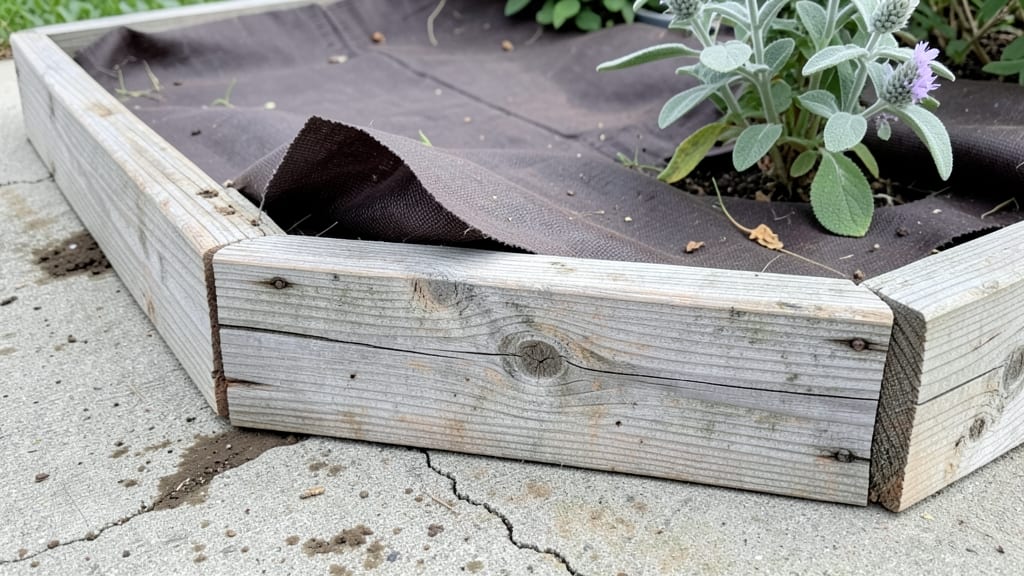
Yes, you can put a raised garden bed on concrete, but ensure proper drainage and weight distribution to prevent cracking or instability; use lightweight materials like cedar or composite wood and add a gravel base for support.
Concrete can absolutely support a raised bed, but the key lies in balancing weight and drainage to avoid stressing the slab. 🌱 I’ve found that most concrete slabs handle up to 4,000 lbs per square foot, but soil, water, and plants add up quickly—especially after rain.
For stability, I recommend using adjustable legs or pavers to distribute weight evenly and prevent shifting over time.
Lightweight materials like composite lumber or cedar reduce the overall load, while a gravel base layer improves drainage and prevents moisture buildup beneath the bed. This combo keeps your garden thriving and your concrete intact for years.
💡 In This Article
- Weight Limits for Raised Beds on Concrete
- Best Materials and Setup for Concrete Garden Beds
Weight limits for raised beds on concrete
Concrete slabs are designed to handle significant weight—typically between 2,000 and 4,000 pounds per square foot—but the challenge lies in how that weight is distributed and managed over time. A raised garden bed filled with soil, plants, and water can exert unexpected pressure, especially when saturated.
For example, a 4' x 8' bed filled with moist garden soil weighs roughly 1,500–2,000 lbs, while adding plants and water during growing seasons can push that total closer to 2,500–3,000 lbs.
The key is ensuring the bed’s weight stays within the slab’s capacity without concentrating stress in one area. 🔥
The real risk isn’t just the total weight but how it’s applied. Concrete is strong in compression but weak in tension—meaning it can crack if uneven pressure causes shifting.
For instance, a bed with uneven legs or no base layer might create leverage points where the slab flexes slightly, leading to hairline fractures over time. This is why many experts recommend using adjustable metal legs or pavers to spread the load evenly across the slab’s surface.
Think of it like standing on a yoga mat: the wider the contact area, the less pressure on any single spot. 💫
Water retention is another critical factor. Concrete doesn’t breathe, so moisture trapped beneath the bed can soften the soil and increase weight dramatically. A 4-inch gravel layer beneath the bed acts as both a drainage solution and a weight-distribution buffer.
This layer allows excess water to escape while also creating a stable foundation that prevents the bed from sinking or tilting. Without it, the soil’s moisture content can fluctuate wildly—adding hundreds of pounds during heavy rains and reducing stability. ✨
For larger or heavier beds, consider reinforcing the setup with L-brackets or concrete anchors to secure the frame to the slab. This is particularly useful in areas with freeze-thaw cycles, where water expanding in the soil can exert additional force.
For example, a 6' x 6' cedar bed filled with potting mix might weigh 2,200 lbs dry but swell to 3,000+ lbs when saturated. Anchoring prevents lateral movement and keeps the structure aligned with the slab’s natural curvature. 🌟
Even with these precautions, it’s wise to monitor your bed’s performance over time. Look for signs like uneven settling, cracks in the soil surface, or bed frames pulling away from the slab. These are early warnings that the weight distribution needs adjustment.
For instance, if you notice one corner dipping, adding a sand leveling pad beneath that leg can restore balance. The goal is to treat your concrete slab like a foundation—not just a surface. ⚡
Pro tip: If your concrete slab has expansion joints, avoid placing the bed directly over them. These joints allow the slab to shift slightly with temperature changes, and a heavy bed could bridge the gap, creating stress points.
Instead, position the bed between joints or use a flexible base mat to accommodate minor movements. This small adjustment can prevent costly repairs down the line. 💛