
Pests
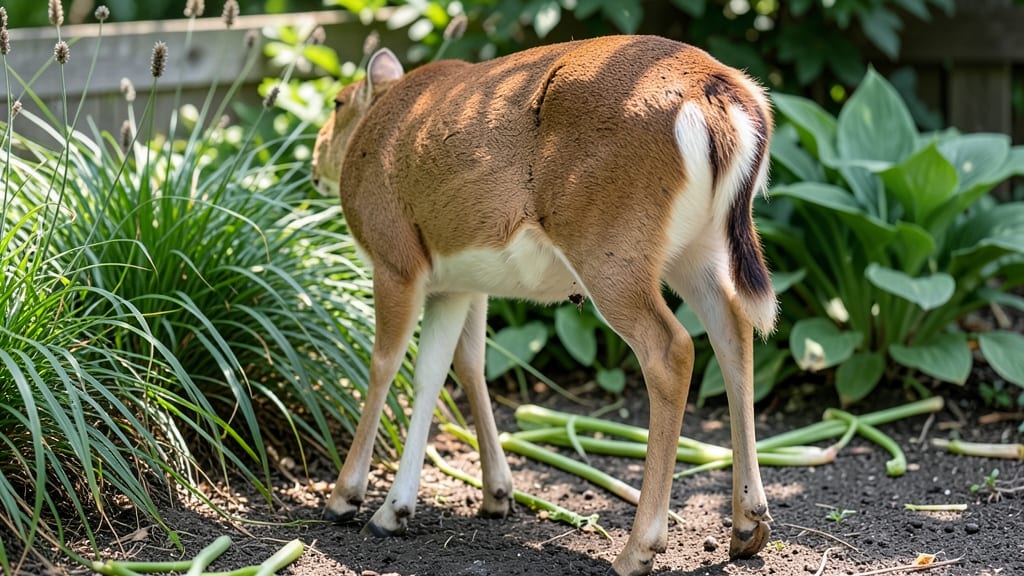
My deer-resistant garden design starts with plants deer actually hate—like lavender, boxwood, and Russian sage. 🌿 Last spring, I watched my neighbors' hostas get demolished overnight, while my garden stayed untouched.
The secret isn't just choosing the right plants, though. It's about layering textures, heights, and scents so the whole yard feels like a fortress to deer.
You'll need a mix of tall perennials (like coneflowers) to block browsing eyes, ground covers (such as creeping thyme) to fill gaps, and scented plants (rosemary, catmint) to mask food smells.
A 3-4 foot fence works best, but if that's not an option, try deer-resistant shrubs like barberry or spirea as natural barriers. Even small spaces can work with containerized plants and strategic placement.
By summer, your garden will look thriving and intentional, not like a deer buffet. The key is patience—some plants take a season to establish strong roots and become truly unappealing.
Plus, you'll get the added bonus of pollinators loving your scent-heavy, diverse plantings. Let's make your yard the one deer skip over every spring.
This approach works for urban backyards, rural acres, or even balcony gardens—just scale the plants and barriers to fit your space. The best part? You'll finally grow peace of mind along with your plants. Ready to reclaim your garden from those four-legged snackers?
📚 In This Guide
- What you need
- Instructions
- Tips and common mistakes
- Wrapping up and next steps
What you need
- ● Deer-resistant plants: 3–5 varieties (e.g., Lavender, Russian Sage, Boxwood, Daffodils, or Peonies). Aim for 3–5 plants per square foot for full coverage.
- ● Physical barriers: 8–10 ft tall fencing (metal mesh or wood, 1-inch spacing to deter climbing).
- ● Wire mesh netting (1-inch grid, 8 ft tall, 100+ ft rolls for large gardens).
- ● Plastic tree guards (6–8 ft tall, 1–2 per young tree/shrub).
- ● Repellents: Commercial sprays (e.g., Deer Out, Liquid Fence—1–2 gallons, reapply monthly).
- ● Homemade sprays (garlic, rotten eggs, or predator urine—5–10 gallons).
- ● Soap-based repellents (1 tbsp castile soap per gallon of water).
- ● Tools: Post-hole digger or auger.
- ● Staple gun (for securing netting).
- ● Pruners (for trimming plants to reduce attractiveness).
- ● Gloves and safety glasses (for handling repellents/barriers).
- ● Motion-activated sprinklers (e.g., ScareCrow—covers up to 5,000 sq ft).
- ● Ultrasonic repellents (battery-powered, place every 10–15 ft).
- ● Reflective tape or old CDs (hang in trees to deter deer with movement).
- ● Companion planting: Add Marigolds or Foxglove near vulnerable plants (they’re deer-deterrents!).
Step-by-Step instructions for creating a deer-resistant garden layout
Here's how to design a garden that thrives even when deer visit—without sacrificing beauty or plant diversity.
🌱 Step 1: Select Deer-Resistant Plant Species Strategically
Start by choosing plants known for their natural resistance to deer browsing. Focus on varieties with strong fragrances, fuzzy foliage, or toxic compounds that deer avoid. I recommend grouping plants by height: tall perennials like coneflowers (6-8 feet) as backdrops, medium shrubs like boxwood (3-5 feet) for mid-layers, and ground covers like creeping thyme (2-3 inches) for texture. These combinations create visual depth while deterring deer through layered defenses.
For color impact, include deer-resistant annuals like snapdragons and marigolds. These provide seasonal interest without becoming a buffet. I always plant these near pathways where deer are most likely to wander. The key is diversity—deer are less likely to linger if they can't find a single favored plant.
🪴 Step 2: Create Physical Barriers with Strategic Plant Placement
Use existing garden structures to your advantage by positioning deer-resistant plants near fences, walls, or trellises. I place rosemary bushes along my stone border—their strong scent acts as a natural deterrent. For areas without barriers, create "deer-proof" zones by planting thorny shrubs like barberry (3-4 feet) as living fences. These plants force deer to navigate around your prized specimens.
For container gardens, group deer-resistant herbs like lavender and sage in pots placed on elevated surfaces or near entry points. Deer are less likely to jump or climb to reach these. I also use ornamental grasses like fountain grass as visual screens—their airy forms obscure vulnerable plants while being unappealing to deer.
☀️ Step 3: Implement Scent-Based Deterrents Throughout the Design
Incorporate strongly scented plants that mask the aroma of preferred deer foods. I interplant garlic chives and Russian sage throughout the garden—their pungent fragrance confuses deer's feeding instincts. For high-risk areas, add deer-repellent plants like daffodils (which contain lycorine) or alliums (which contain thiosulfinates). These toxic compounds make deer think twice before browsing.
Create scent corridors by planting deer-resistant ground covers like lamb's ear along pathways. The constant scent release creates an invisible barrier. I also place deer-repellent granules (made from putrescent eggs) near garden edges—these mimic predator scents and send deer scurrying. The granules break down naturally over 30-45 days, so I reapply seasonally.
✂️ Step 4: Maintain Plant Health to Enhance Natural Resistance
Healthy plants are more resistant to deer damage. I prioritize proper watering schedules—deer target stressed plants first. Water deeply 1-2 times per week during dry spells, focusing on the root zone. Avoid overhead watering in the evening, which can create conditions that attract deer as they seek moisture.
Regular pruning keeps plants vigorous and less appealing. I remove any damaged foliage immediately—deer are more likely to return to areas where they've found easy meals. For woody plants, I prune in late winter or early spring when new growth is most vigorous. This timing also prevents deer from discovering tender shoots during their spring feeding frenzy.
Tips & tricks for perfect deer-resistant garden design
Transforming your garden into a deer-proof haven requires strategic thinking—here's how to maximize those natural defenses for a thriving landscape.
Layering Defense Strategies: Think of your garden like a fortress where each plant plays a role in deer deterrence. In Step 1, when grouping plants by height, I recommend adding spiky plants like holly bushes (4-6 feet) as an additional barrier layer between your boxwood mid-layers and coneflowers. The combination of height variation and physical barriers creates a visual and tactile deterrent that deer instinctively avoid. The key is creating complexity—deer prefer simple, accessible meals, not puzzle gardens.
Scent Strategy Optimization: In Step 3, when implementing scent-based deterrents, I've found that placing garlic chives and Russian sage near garden entry points creates a "scent funnel" that guides deer away. The pungent aroma becomes stronger as they approach, creating a natural repellent corridor. For maximum impact, I also interplant these with deer-repellent annuals like columbine—the combination of scents confuses deer's feeding patterns even more effectively than single-species plantings.
Seasonal Plant Rotation: Deer resistance isn't static—it requires seasonal adaptation. After establishing your initial planting in Step 1, I recommend rotating 20% of your annuals every season. For example, swap out marigolds in fall for winter-dormant plants like hellebore (which deer avoid due to its toxic sap). This keeps your garden visually dynamic while maintaining deer resistance year-round. The rotation also prevents deer from learning patterns in your landscape.
Watering Wisdom: In Step 4, when maintaining plant health, I've discovered that drip irrigation systems work better than sprinklers for deer-resistant gardens. The targeted watering prevents soil moisture from attracting deer, and the lack of overhead watering eliminates the evening moisture signal that lures them in. For container gardens mentioned in Step 2, I use self-watering pots with saucers that collect excess water—deer are less likely to investigate pots that don't create puddles or damp soil.
Pro Tips for Deer Resistant Gardening
- Transforming your garden into a deer-proof haven requires strategic thinking—here's how to maximize those natural defenses for a thriving landscape.
- Layering Defense Strategies: Think of your garden like a fortress where each plant plays a role in deer deterrence.
- Scent Strategy Optimization: In Step 3, when implementing scent-based deterrents, I've found that placing garlic chives and Russian sage near garden entry points creates a "scent funnel" that guides deer away.
Frequently asked questions
Got questions about keeping deer out of your garden? Here are some common concerns—and answers—to help you design a lush, deer-free landscape with confidence.
What are the best deer-resistant plants for beginners?
Start with low-maintenance, deer-proof staples like Lavender (), Russian Sage, or Catmint. These plants have strong fragrances or fuzzy textures that deer dislike. For perennials, try Hellebores or Foxgloves—they’re tough and visually striking. Always check local deer pressure; some plants may work better in one region than another!
When is the best time to plant deer-resistant gardens?
The ideal time depends on your climate! In cool regions, plant in early spring or fall to give roots time to establish before winter. In hot climates, focus on late winter or early spring when soil is workable. Avoid planting during peak deer browsing season (spring/summer)—they’re hungrier then! Mulch new plants well to deter early nibbling.
Do deer-resistant plants really work, or should I use fencing too?
Deer-resistant plants reduce damage but aren’t foolproof—especially for curious or hungry deer. Pair plants with physical deterrents like 8-foot-tall fencing (deer can jump!) or motion-activated sprinklers. For small gardens, try deer repellent sprays (rotating scents weekly) or ultrasonic devices. Consistency is key—combine methods for the best results!
What if deer still eat my plants?
How do I troubleshoot?
If deer ignore your deer-resistant plants but target others, rotate scents (e.g., switch between garlic spray and predator urine). Check for weak spots—young or stressed plants are prime targets. Try planting in groups (deer avoid dense clusters) or adding companion plants like Marigolds (their scent confuses deer). If damage persists, consider deer-proof containers for prized plants!
Are there alternatives to toxic deer repellents?
Skip chemical repellents and opt for natural solutions:
- Predator urine (coyote or fox) mimics danger—refresh every 2–3 weeks.
- Plant strong-smelling herbs like Rosemary or Thyme near vulnerable areas.
- Use wind chimes or reflective tape to startle deer with movement.
Wrapping up and next steps
Creating a deer-resistant garden is all about smart planning, the right plant choices, and a few clever deterrents. With the strategies shared—like selecting tough native plants, using repellents, and adding physical barriers—you can enjoy a thriving garden without the constant worry of hungry deer. 🌿
Ready to transform your outdoor space? Start small—pick one or two deer-resistant plants or install a simple fence in your most vulnerable area. Every step you take brings you closer to a lush, low-maintenance garden that both you and local wildlife can appreciate!