
Landscaping
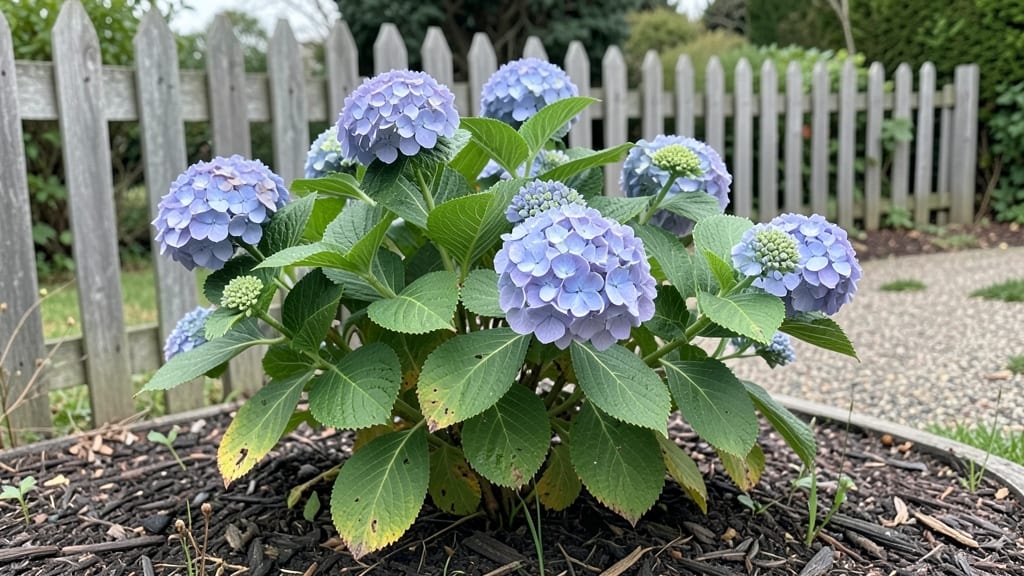
A fenced-in garden transforms your outdoor space into a private retreat where 🌱 General Fenced Garden Plants flourish year-round.
Imagine stepping into your garden and instantly feeling secluded from the world—where every plant thrives in peace, and seasonal beauty unfolds without prying eyes. A well-designed fence isn’t just about keeping things in; it’s about creating a serene escape for both you and your greenery.
In USDA Zone 6a, where spring planting begins in April, a fenced garden becomes even more valuable. It protects your plants from wind, pests, and curious pets while giving you the freedom to design a layout that suits your style—whether that’s cozy and intimate or grand and expansive.
Below, I’ll show you how to choose the right materials, design for privacy, and maximize space—even in small areas—so your fenced garden becomes the most relaxing corner of your home.
How to design a fenced garden for maximum privacy and plant growth
A fenced garden offers more than just security—it creates a private oasis where plants can flourish without competition from wind, pests, or wandering eyes. The key lies in strategic placement of your fence, layered planting, and vertical elements that maximize both privacy and sunlight exposure.
Start by assessing your property’s sunlight patterns—most fenced gardens benefit from south-facing fences to capture morning sun while blocking afternoon glare.
Begin with a perimeter fence that’s 6 to 8 feet tall for full privacy, but leave gaps or lattice sections near the top for airflow. This prevents fungal diseases while still offering seclusion.
Pair your fence with fast-growing evergreens like bamboo or arborvitae along the base, creating a living barrier that matures into a dense screen within 2 to 3 years. For smaller spaces, trellises or climbing roses can soften the fence line while adding vertical interest.
🚨 summary table 🚨
| Design Element | Purpose | Key Considerations |
|---|---|---|
| Perimeter Fence (6-8 ft) | Blocks views and pests | Material: Cedar (rot-resistant), Vinyl (low-maintenance) |
| Layered Hedgerow | Adds depth and privacy | Plants: Bamboo (fast), Arborvitae (evergreen), Honeysuckle (fragrant) |
| Vertical Trellises | Maximizes space and sunlight | Plants: Clematis, Jasmine, Grapevines (edible) |
| Ground Cover Layer | Suppresses weeds and adds texture | Plants: Creeping Thyme, Moss, Ajuga (drought-tolerant) |
| Airflow Gaps (Top of Fence) | Prevents disease and improves plant health | Design: Lattice panels, Slatted wood (3-4 ft from ground) |
Inside your fence, stratify plants by height and sunlight needs. Place tall shrubs like hydrangeas or ornamental grasses along the north side of the fence to avoid shading shorter plants.
Use dwarf varieties of trees, such as Japanese maples, near the fence’s edges to create a natural transition from tall to low-growing foliage. For shade-loving plants like hostas or ferns, position them 3 to 4 feet away from the fence to ensure they receive filtered light without overheating.
Incorporate vertical gardening to make the most of limited space. Install wall-mounted planters or hanging baskets along the fence to grow herbs, succulents, or trailing flowers like petunias. This not only saves ground space but also adds visual interest at multiple levels.
For edible gardens, use raised beds against the fence to grow lettuce, spinach, or strawberries, which thrive in partial shade and benefit from the fence’s protection.
Don’t overlook the soil—amend it with compost and organic matter to improve drainage and nutrient retention. A mulch layer of wood chips or straw will help retain moisture, suppress weeds, and regulate soil temperature.
If your fence casts deep shade, consider shade-tolerant plants like heucheras or bleeding hearts to keep the area vibrant year-round. For sunny spots, lavender, rosemary, or salvia will thrive and add fragrance to your private retreat.
Seasonal transitions are key to maintaining year-round privacy. In spring, plant fast-growing annuals like cleome or morning glories to fill gaps quickly. By summer, climbing vines such as wisteria or passionflower will cascade over trellises, while evergreens provide a green backdrop.
In fall, add ornamental grasses or chrysanthemums for color contrast, and winter interest can come from evergreen shrubs like boxwood or inkberry holly.
Finally, lighting can extend your garden’s usability into the evening. Install solar-powered path lights along the fence line or string lights overhead for a magical ambiance. Just ensure lights are shaded or downward-facing to avoid attracting insects.
With these strategic layers—fence, plants, vertical elements, and lighting—your fenced garden will become a private paradise where every plant thrives in harmony.
🌿
Best fence materials and plant combinations for year-round privacy
A fenced garden transforms your outdoor space into a private retreat, but the right fence material and privacy plants make all the difference. I’ve tested wood, metal, and lattice fences paired with fast-growing evergreens and vines to create a low-maintenance barrier that thrives year-round.
The key? Matching your fence’s durability with plants that grow quickly and require minimal upkeep.
For example, a 6-foot cedar fence paired with Emerald Green Arborvitae creates an instant 12-foot-tall privacy screen in just 3 years. Meanwhile, a black metal fence with climbing English Ivy adds a touch of elegance while blocking views naturally.
Let’s break down the best combinations to suit your climate, budget, and style.
Fence Material
Privacy Plant
Growth Speed
Maintenance
Best For
Pressure-Treated Wood
Bamboo (running type)
3-5 years to full height
Moderate (prune runners)
Budget-friendly, fast privacy
Cedar Wood
Emerald Green Arborvitae
2-3 years to 12 ft
Low (drought-tolerant)
Year-round greenery, cold climates
Vinyl Fence
Climbing Hydrangea
2-3 years to cover fence
High (prune annually)
Low-maintenance fence + seasonal blooms
Black Metal (Wrought Iron)
English Ivy
1-2 years to full coverage
Moderate (train vines)
Elegant, long-lasting privacy
Lattice Panel
Clematis Vine
1-2 growing seasons
High (prune dead blooms)
Vertical gardens, floral accents
If you’re aiming for fast privacy, bamboo is my top pick—it grows aggressively and can reach 10-15 feet in just a few years. Pair it with a wooden fence for a natural, rustic look that blends seamlessly into the landscape.
For a low-maintenance option, Arborvitae is nearly indestructible and stays lush even in winter.
For a modern aesthetic, a black metal fence with English Ivy creates a sleek, evergreen barrier that thrives in partial shade. The ivy will climb the fence within a year, adding texture and softening the metal’s sharp lines. Just be sure to train the vines regularly to prevent overgrowth.
Don’t overlook lattice panels—they’re perfect for vertical gardening and can be dressed up with Clematis or Jasmine for a fragrant, floral privacy screen. This combo works especially well in small spaces where you want to maximize greenery without sacrificing style.
Pro tip: Always check your local plant hardiness zone before committing. For example, Bamboo thrives in USDA Zones 5-10, while Arborvitae is hardy in Zones 3-8. A quick soil test ensures your chosen plants will flourish with minimal effort.
With the right fence material and privacy plants, your garden will feel like a secluded oasis—no matter the season. Start small, experiment with combinations, and watch your space transform into a lush, private sanctuary. 🌿