
Landscaping
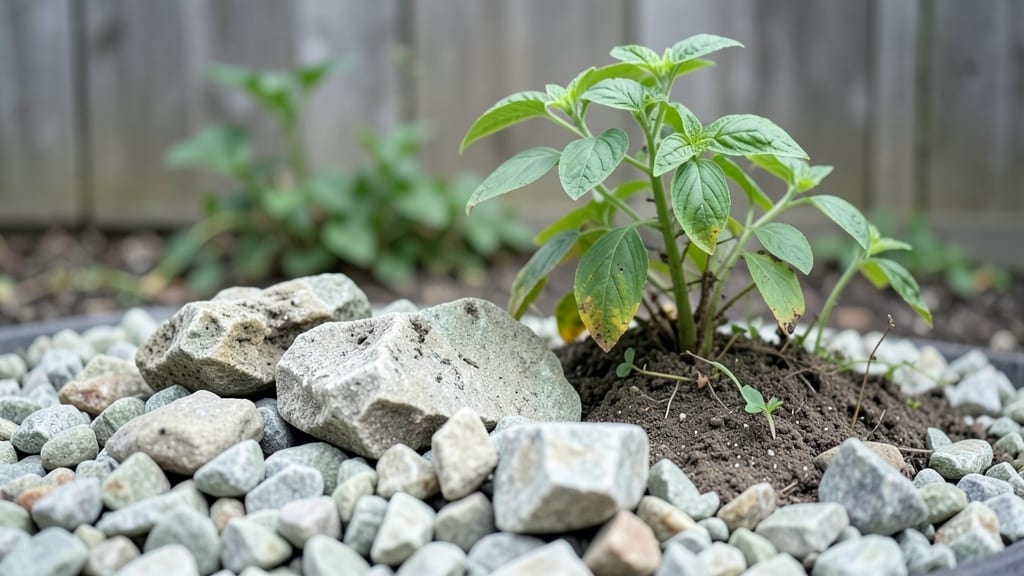
Creating a fountain rock garden turns your backyard into a peaceful oasis where water, stone, and plants work together in perfect harmony.
Picture this: a gentle stream cascading over smooth river rocks, framed by 🌿 Fountain Grass swaying in the breeze—all while requiring minimal upkeep. That’s the magic of a well-designed rock garden with flowing water at its heart.
Whether you have a sprawling yard or a cozy patio, these layouts blend rugged textures with soothing sounds to create a space that feels like an escape. I’ll show you how to mix drought-tolerant plants, durable stones, and water features that stay beautiful through every season.
Ready to design a garden that’s as calming as it is stunning? Let’s dive into five stunning layouts that work for any space—plus the secrets to keeping it thriving with almost no effort.
5 Best fountain rock garden layouts for different garden sizes
A fountain rock garden blends the soothing sounds of water with the natural beauty of rocks and plants, creating a harmonious outdoor space. Whether you have a compact courtyard, a sprawling backyard, or a small balcony, there’s a design to fit your needs.
The key lies in balancing water flow, rock textures, and plant selection to maximize visual and auditory appeal.
The right layout transforms even a tiny space into a serene escape. For example, a 3-foot-wide tiered fountain can anchor a small patio, while a multi-tiered rock garden with cascading water adds drama to a large yard.
Each design should prioritize drainage, water circulation, and seasonal interest to ensure year-round beauty.
| Layout Type | Best For | Water Feature | Rock Selection | Plant Integration |
|---|---|---|---|---|
| Compact Courtyard | Urban patios, small yards | Wall-mounted fountain (2-3 tiers) | Smooth river stones, slate slabs | Dwarf conifers, sedum, fern |
| Sprawling Backyard | Large gardens, open spaces | Freestanding tiered fountain (4+ tiers) | Granite boulders, mixed textures | Ornamental grasses, hostas, hydrangeas |
| Balcony Container | Small spaces, apartments | Mini bamboo fountain (1 tier) | Pebbles, small slate chips | Succulents, moss, mini ferns |
| Zen Garden | Meditation spaces, minimalist designs | Bamboo water spout (1-2 tiers) | Smooth river rocks, sand | Japanese maple, junipers, bamboo |
| Sloped Hillside | Hilly terrain, elevation changes | Cascading waterfall fountain (3 tiers) | Large boulders, layered stones | Rhododendrons, azaleas, hellebores |
For a compact courtyard, opt for a wall-mounted fountain with smooth river stones to soften the edges. Place dwarf conifers and sedum around the base to create texture contrast. This layout maximizes space while keeping maintenance low—ideal for urban dwellers.
A sprawling backyard benefits from a freestanding tiered fountain with granite boulders and layered rocks. Integrate ornamental grasses and hostas to add movement and color. The larger scale allows for dramatic water flow and seasonal plant rotations.
If you’re working with a balcony or small space, a mini bamboo fountain paired with pebbles and succulents creates a mini oasis. The key is to use vertical planting and containers to save space while maintaining the fountain’s soothing sound.
For a Zen-inspired garden, focus on simplicity with a bamboo water spout and smooth river rocks. Incorporate Japanese maple and junipers for a serene, meditative atmosphere. This design thrives on minimalism and natural elements.
On a sloped hillside, a cascading waterfall fountain with layered rocks and boulders adds drama. Plant rhododendrons and azaleas to complement the fountain’s flow while stabilizing the terrain. This layout works beautifully in wooded or elevated areas.
When selecting rocks, prioritize durability and texture variety. Granite and slate resist erosion, while river stones add organic charm. For plants, choose drought-tolerant varieties like sedum or lavender to reduce upkeep and ensure year-round interest.
Water placement is critical—position the fountain where it can be heard from seating areas but not directly under trees to avoid clogging. Use gravel or sand around the base to improve drainage and prevent erosion.
To maintain your fountain rock garden, clean the pump monthly, check for leaks, and trim plants seasonally. A little upkeep ensures your garden remains a tranquil
How to choose rocks and plants for a low-maintenance fountain garden
A fountain rock garden thrives on the perfect balance between durable rocks and low-maintenance plants. The right combination creates a serene atmosphere while minimizing upkeep. Start by selecting water-resistant rocks that complement your fountain’s flow and enhance its natural beauty.
Pair them with drought-tolerant plants that thrive with minimal watering and care.
The key to a low-maintenance fountain garden lies in choosing materials that work together harmoniously. Granite and slate offer timeless elegance, while river stones add organic texture. For plants, focus on sedum, lavender, and ornamental grasses—they require little water and provide year-round interest.
🌱 Top Rocks and Plants for Your Fountain Garden
- Rocks: Granite – Durable, polished finish; ideal for fountain edges.
- Slate – Natural texture; great for tiered rock gardens around fountains.
- River Stones – Organic, varied shapes; perfect for waterfall features.
- Plants: Sedum – Succulent; thrives in dry conditions; adds seasonal color.
- Lavender – Fragrant; attracts pollinators; loves full sun.
- Ornamental Grasses – Movement; year-round texture; low-water needs.
When selecting rocks, consider their size and shape to create natural flow around your fountain. Larger stones near the base anchor the design, while smaller pebbles soften the edges. For plants, group them by water needs—place drought-resistant species closer to the fountain’s spray for extra moisture.
Seasonal color is another critical factor. Pair spring-blooming lavender with summer sedum and fall grasses for continuous interest. This ensures your garden remains vibrant without requiring constant pruning or replacements.
Don’t overlook mulch—it retains moisture, suppresses weeds, and enhances the natural look of your fountain garden. Use organic mulch like pine bark or gravel to complement your rock choices while keeping maintenance simple.
Finally, test your drainage before finalizing the layout. Poor drainage can damage both rocks and plants, leading to root rot or erosion. A slight slope away from the fountain ensures water flows naturally and keeps your garden healthy year-round.