
Companion Plants

Struggling with pests in your garden box? These 10 companion plants act as natural pest repellents while adding beauty, fragrance, and productivity to your space. Discover how strategic plant pairings can reduce chemical use and boost your harvest effortlessly.
Marigold Varieties for Pest Control
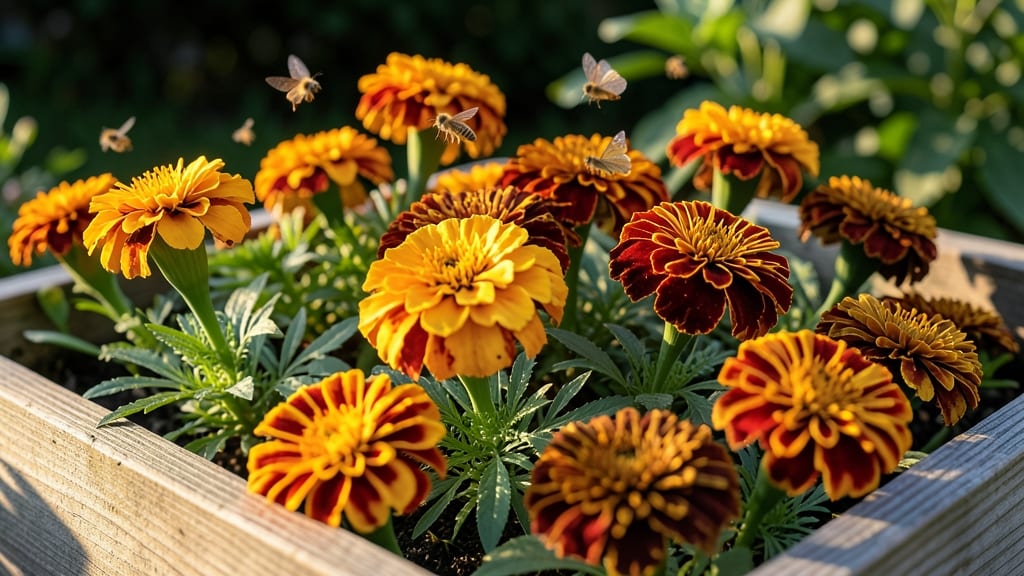
Looking for a natural pest control powerhouse that doubles as a pollinator magnet? French and African marigolds are your garden box superstars—these vibrant bloomers repel nematodes, aphids, and even rabbits with their strong scent while luring bees and butterflies to your space.
French marigolds (like 'Bonanza' or 'Crackerjack') thrive in full sun and produce bright orange or yellow flowers that deter pests at the roots. African marigolds (such as 'Tangerine' or 'Jamaica') grow taller with deeper hues and stronger scent—ideal for larger garden boxes. Plant them around tomatoes, peppers, and herbs to create a pest-free zone while adding bold color.
Perfect for beginners and urban gardeners, marigolds are low-maintenance and self-seeding. Their dual role as pest fighters and pollinator attractors makes them a must-have for any garden box. 🌻
Basil Plants for Mosquito Defense
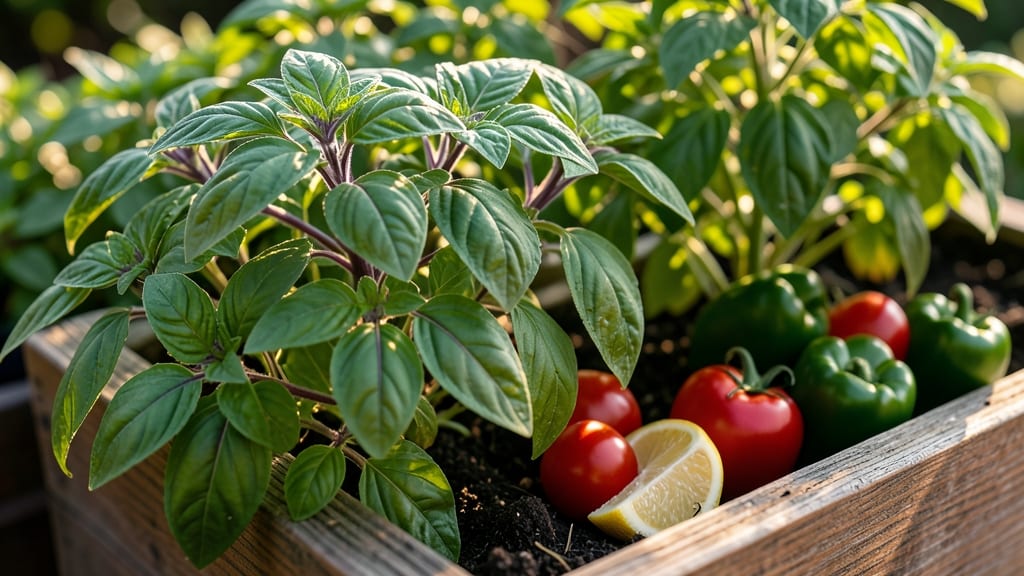
Tired of mosquitoes ruining your garden box evenings? Sweet basil isn’t just a kitchen staple—it’s a natural insect repellent that keeps flying pests away while boosting your harvest. Plant it near tomatoes, peppers, or citrus to enhance flavors and deter mosquitoes, flies, and thrips with its strong scent.
This fast-growing herb reaches maturity in just 4-6 weeks, making it perfect for filling empty spots in your garden box. Pinch back flowers to encourage leaf growth and harvest regularly to keep plants bushy. Its shallow roots also make it ideal for container gardening with minimal soil depth.
Urban gardeners and small-space growers will love how basil thrives in 6+ hours of sun while tolerating partial shade. Just keep soil consistently moist for the best pest-repelling results. 🌿
Nasturtium Flowers for Aphid Control
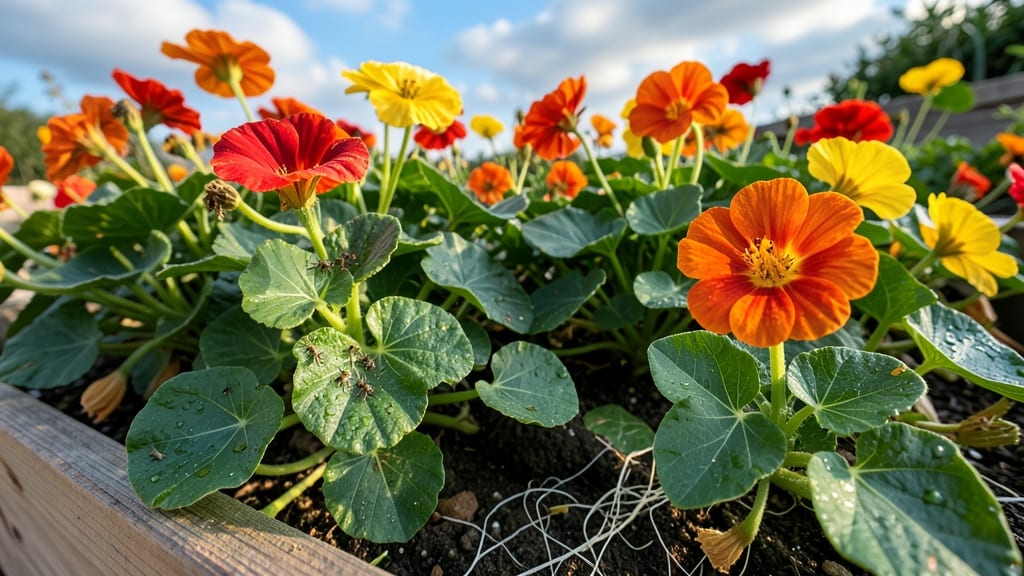
Tired of aphids devouring your garden box plants? Nasturtiums are the edible superheroes you’ve been missing—their leaves trap aphids like flypaper while their vibrant blooms deter squash bugs, cucumber beetles, and whiteflies.
These fast-growing annuals thrive in full sun to partial shade and prefer well-draining soil. Simply tuck them at the edges of your garden box or interplant with vulnerable crops like cucumbers or tomatoes. Bonus: Their peppery leaves and flowers add a zesty garnish to salads straight from your harvest.
Perfect for beginners and urban gardeners, nasturtiums offer dual benefits—pest control and culinary flair—with minimal effort. 🌻
Chives for Carrot Fly Prevention
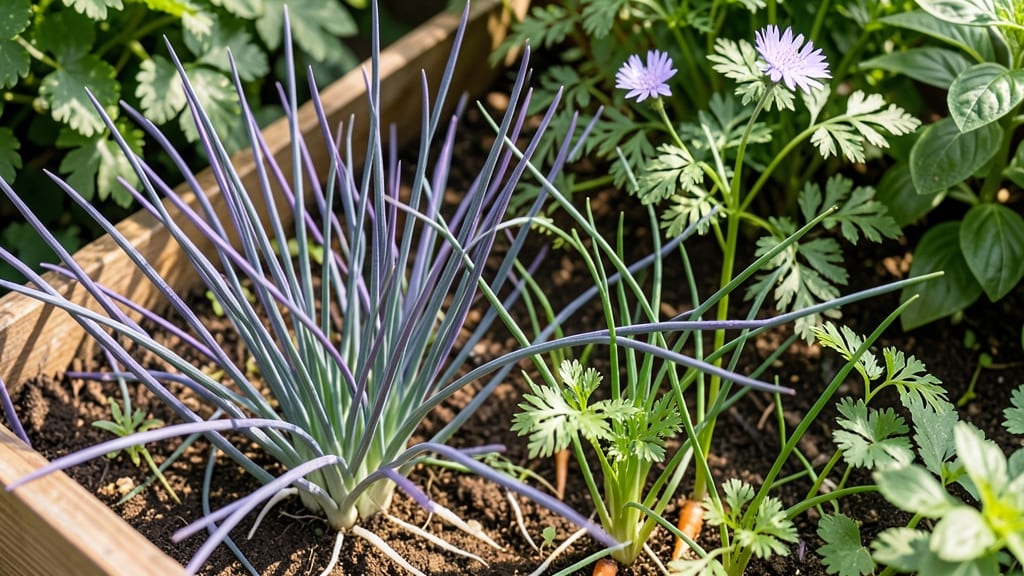
If you're growing carrots or other root vegetables in your garden box, chives are your secret weapon against carrot flies—those pesky pests that lay eggs near your crops. Their strong scent confuses and repels not only carrot flies but also aphids and Japanese beetles, making them a multi-purpose pest deterrent.
These hardy perennials thrive in partial to full sun and prefer well-draining soil, making them ideal for garden box edges where they can spread slightly without overwhelming taller plants. Snip leaves as needed for cooking, and let the flowers go to seed to attract pollinators while keeping pests at bay. Their low-growing habit also makes them perfect for filling gaps between other plants.
Urban gardeners and small-space growers will love chives—they’re easy to maintain, drought-tolerant once established, and their presence enhances the flavor of nearby tomatoes and peppers. A little goes a long way in protecting your garden box harvests naturally. 🌿
Garlic Chives for Spider Mite Deterrence
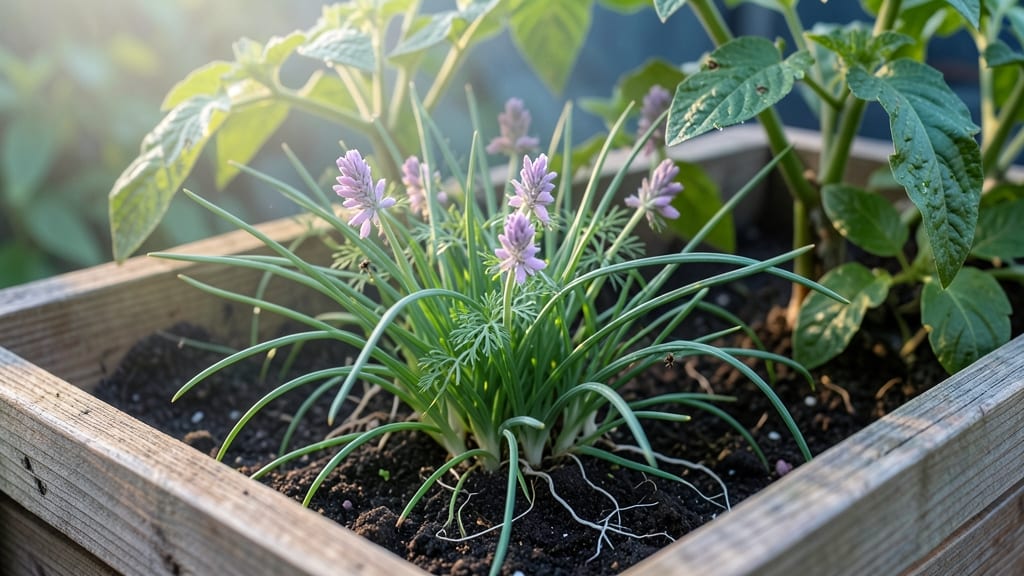
If tiny spider mites are turning your garden box into a pest party, garlic chives are your secret weapon. These hardy perennials release sulfur compounds that deter spider mites, aphids, and even curious cats—all while adding a mild garlic aroma to your space.
Plant them alongside tomatoes, peppers, or roses to create a natural barrier. They thrive in full sun to partial shade and tolerate poor soil, making them perfect for garden boxes with limited depth. Snip leaves for cooking or let them self-seed for year-round protection.
Urban gardeners and cat owners will love this dual-purpose herb—it keeps pests away while adding a culinary bonus. 🌱
Dill Plants for Cabbage Worm Control
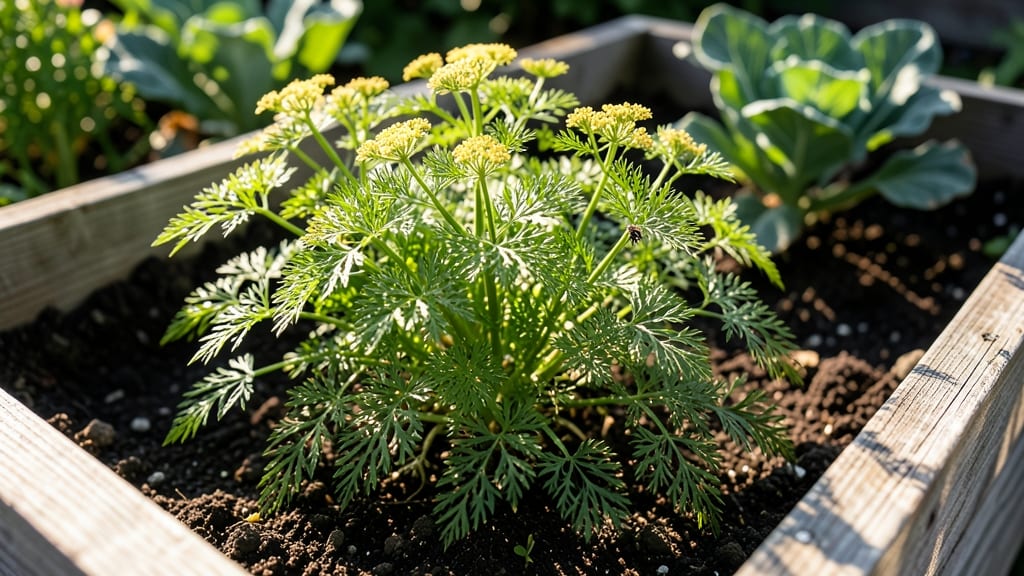
If your garden box is under siege by cabbage worms, dill might be your secret weapon. This feathery herb doesn’t just repel pests—it turns your garden into a natural pest-control hub by luring predatory wasps that hunt cabbage worms while also keeping spider mites and aphids at bay.
Plant dill alongside broccoli, cabbage, or kale to create a protective barrier. Its lush, shade-providing foliage also shields delicate plants from harsh afternoon sun, making it a dual-purpose hero in hot climates. For best results, sow seeds directly in well-drained soil and harvest leaves as needed to encourage bushier growth.
This low-maintenance annual thrives in partial to full sun and works especially well for urban gardeners or beginners looking to simplify pest management without chemicals. 🌿
Catnip for Flea and Mosquito Repulsion
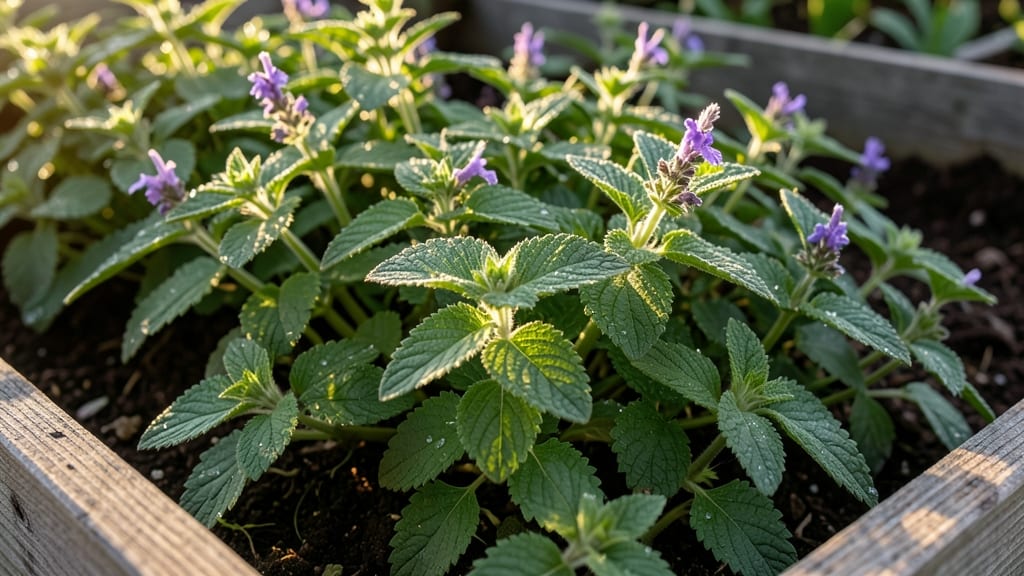
If you're tired of chemical repellents failing against fleas and mosquitoes, catnip might be your secret weapon. This hardy herb contains nepetalactone, a compound proven to be more effective than DEET for repelling pests—including fleas, mosquitoes, and even cockroaches. Plus, it grows aggressively, making it perfect for filling empty corners of your garden box.
Catnip thrives in full sun to partial shade and tolerates a range of soil types, though well-draining soil prevents root rot. Plant it near entryways or seating areas to create a natural pest-free zone. Its fast-growing habit means you’ll see dense foliage within weeks, providing both pest control and a lush green backdrop for your garden box.
Urban gardeners and pet owners will love this low-maintenance solution—just avoid planting it where cats can dig it up! Its dual-purpose nature makes it a must-have for anyone seeking chemical-free pest management. 🌱
Lavender for Moth and Fly Prevention
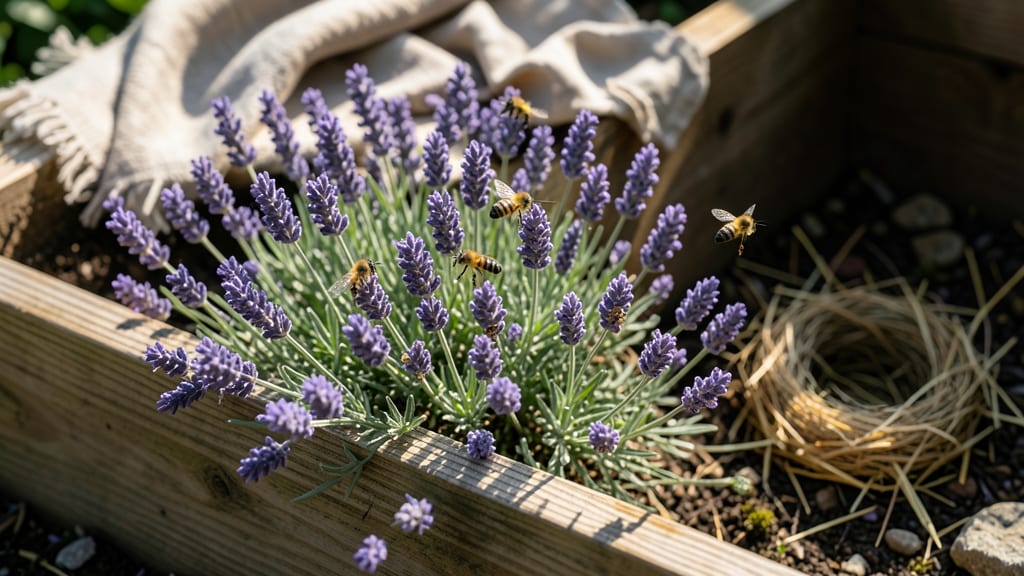
If you're tired of moths munching through your stored fabrics or flies buzzing around your garden box, lavender is your fragrant solution. This versatile herb doesn't just smell divine—it acts as a natural pest deterrent for moths, flies, and even mice, all while luring in beneficial bees to pollinate your garden.
Plant English lavender or French lavender in well-draining soil where they’ll receive at least 6 hours of sun daily. Their drought-tolerant roots make them perfect for garden boxes, as they thrive with minimal water once established. Snip stems for sachets or harvest flowers for culinary uses, but leave some blooms to attract pollinators.
Urban gardeners and busy homeowners will love lavender’s low-maintenance nature—it requires almost no upkeep and adds a calming aroma to your space. Plus, its silvery foliage and purple spikes create a striking contrast in any garden box. 💚
Thyme Varieties for Whitefly Control
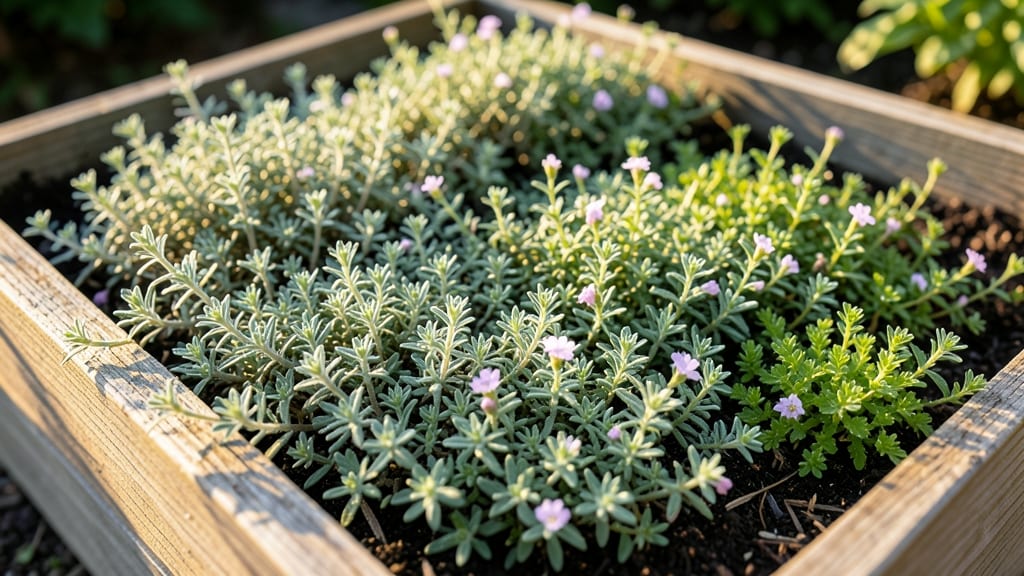
Looking for a low-maintenance, fragrant solution to whiteflies in your garden box? Creeping thyme and lemon thyme are your secret weapons—these hardy perennials repel not just whiteflies but also cabbage moths and even tomato hornworms while suppressing weeds naturally.
Plant creeping thyme along garden box edges where its ground-hugging stems create a living mulch that smothers weeds and deters pests with its strong aroma. Lemon thyme, with its citrusy scent, thrives in full sun to partial shade and pairs beautifully with tomatoes, peppers, and cabbage. Both varieties require minimal water once established, making them perfect for drought-tolerant garden boxes.
Urban gardeners and beginners will love how these thyme varieties need almost no pruning—just occasional trimming to encourage bushier growth. Their year-round pest-repelling benefits make them a must-have for any garden box focused on natural pest control. 🌿
Sunflower Plants for Pest Confusion

Want to outsmart pests without chemicals? Sunflowers are nature’s own pest-deterrent towers, confusing flying insects with their towering presence while luring in beneficial predators like ladybugs and lacewings. Their rapid growth—some varieties reach 6 feet in just 80 days—creates a vertical barrier that disrupts pest flight patterns and provides instant shade for heat-sensitive plants.
Plant sunflowers along the back or sides of deep garden boxes to maximize their pest-confusing effect. Choose dwarf varieties like 'Teddy Bear' (3-4 feet) for smaller boxes, or let 'Mammoth' types (10+ feet) dominate larger spaces. Their deep roots also improve soil aeration, making them a multi-functional addition. For best results, sow seeds directly in full sun after the last frost, spacing them 12-18 inches apart.
This dynamic duo of pest control and vertical interest makes sunflowers ideal for urban gardeners with limited space or anyone wanting to add drama to their garden boxes. 🌻