
Tools
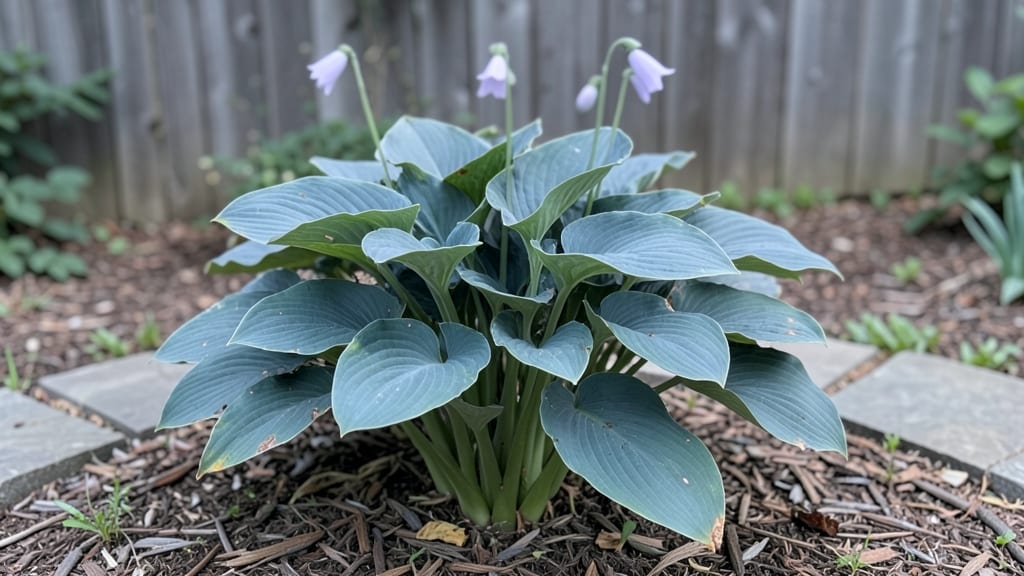
Transforming your space into a garden-inspired Germany layout starts with that signature fairytale charm—think winding paths, ivy-covered trellises, and plants that thrive through Germany’s mild summers and crisp winters. 🌿 I fell in love with this style after visiting a Bavarian cottage garden where the scent of lavender and the sight of evergreen shrubs made even the chilly autumn feel magical.
The key isn’t just the plants but the cozy, lived-in feel that invites you to linger.
You’ll want a mix of native German plants like boxwood, hollyhocks, and the hardy hebe shrub, alongside classic cottage favorites such as roses and foxgloves. German gardens often use stone pathways and wooden arbors to create that storybook atmosphere, while evergreens like yew and juniper ensure year-round color.
The layout thrives in partial shade to full sun, making it adaptable to most German climates—whether you’re in the lush Black Forest or a sunlit Rhine Valley plot.
By the end, your garden will feel like a quiet retreat, with layers of greenery, fragrant blooms, and the kind of charm that makes neighbors stop to admire it. The best part?
This style works in small urban balconies or sprawling rural plots—just scale the elements to fit your space. Let’s bring that German garden magic to life, one trellis at a time.
Fair warning: once you start, you’ll want to add a bench, a wind chime, and maybe even a tiny thatched roof for good measure. That’s the German garden spirit—cozy, timeless, and impossible to resist.
📚 In This Guide
- What you need
- Instructions
- Tips and common mistakes
- Wrapping up and next steps
What you need
- ● Soil & Mulch: 10–20 bags of high-quality garden soil (e.g., compost-enriched loam, ~50L per bag)
- ● 5–10 bags of organic mulch (cedar or pine for a German alpine feel)
- ● Plants (Year-Round Greenery): 3–5 boxwood shrubs (for structured hedges)
- ● 2–3 evergreen ferns (e.g., Dryopteris filix-mas)
- ● 1–2 conifers (e.g., dwarf spruce or pine for texture)
- ● Seasonal bloomers: roses (climbing or shrub), lavender, foxgloves
- ● Structural Elements: 1–2 stone or brick pathways (cobblestone or slate tiles for authenticity)
- ● 1–3 wooden trellises or arbors (painted white or natural wood)
- ● 1–2 wrought-iron or wooden benches (checkered cushions for coziness)
- ● Tools: Garden trowel, pruners, and shears
- ● Wheelbarrow (for hauling soil/plants)
- ● Measuring tape, gloves, and knee pads
- ● Fairytale touches: whimsical garden ornaments (gnomes, wind chimes, or a mini wishing well)
- ● Lighting: solar-powered path lights or lanterns for evening ambiance
- ● Herb garden: rosemary, thyme, or sage (practical and fragrant!)
- ● Water feature: small fountain or birdbath (adds soothing sounds)
Step-by-step instructions for creating a fairytale German garden layout
Transform your outdoor space into a whimsical retreat inspired by Germany's most enchanting cottage gardens.
🌱 Step 1: Define Your Garden Zones and Pathways
Start by sketching your layout on paper, dividing the space into distinct zones: a central herb spiral (traditional in German cottage gardens), a flower border for seasonal color, a vegetable patch for edibles, and a shaded seating nook with climbing roses. I always begin with pathways—use stepping stones or gravel paths to create natural movement, keeping them 2-3 feet wide for easy access.
Mark the center of your herb spiral with a stake, then measure 4-5 feet in diameter for the circular bed. German gardens often incorporate aromatic herbs like rosemary, thyme, and lavender, so plan these near seating areas where their fragrance can be enjoyed. Use a string line to ensure perfect circles and straight edges for flower borders.
🪴 Step 2: Layer Plants for Seasonal Interest and Year-Round Greenery
Begin with perennial ground covers like creeping thyme or ajuga to suppress weeds and add texture. In the herb spiral, plant hardy perennials like sage and oregano at the center, where they’ll receive the most sunlight, and shade-tolerant herbs like parsley and chives along the outer edges. For the flower border, mix spring bulbs (daffodils, tulips) with summer bloomers (coneflowers, black-eyed Susans) and fall foliage plants (sedum, asters) to ensure continuous color.
Incorporate evergreen shrubs like boxwood or holly for structure and winter interest. I always add climbing roses near trellises or arbors—German gardens love their romantic, old-world charm. Space plants according to their mature size, leaving 18-24 inches between shrubs and 12-18 inches between perennials for airflow and growth.
☀️ Step 3: Add Whimsical German Garden Elements
No fairytale garden is complete without ornamental touches—install a wooden bench under a flowering tree, like a crabapple, for a cozy seating area. Hang wrought-iron bird feeders or terracotta pots filled with trailing ivy or ferns to add vertical interest. German gardens often feature stone borders or wooden fences painted in soft pastels, so incorporate these for a cohesive look.
For a magical touch, add solar-powered garden lights along pathways and fairy lights in trees. I like to place a small water feature, like a bubbling stone fountain, near the seating area—the sound of water adds a soothing ambiance. Use natural materials like driftwood, river rocks, or slate tiles to create borders and define spaces without overwhelming the garden.
💧 Step 4: Establish a Sustainable Watering System
German gardens prioritize low-maintenance care, so install a drip irrigation system or soaker hoses to deliver water directly to the roots. Group plants with similar water needs together—drought-tolerant perennials like lavender and sedum near the edges, and moisture-loving plants like hostas and ferns in shadier spots. Water deeply 1-2 times per week, adjusting for rainfall, until the soil is 6-8 inches deep.
Mulch beds with 2-3 inches of organic mulch (like shredded bark or straw) to retain moisture, suppress weeds, and regulate soil temperature. I always apply mulch in early spring, just as new growth begins, to protect tender roots and encourage healthy development. Avoid piling mulch against plant stems—keep it 2 inches away to prevent rot.
✂️ Step 5: Maintain and Refresh Seasonally
Prune spring-flowering shrubs (like lilacs or forsythia) immediately after they bloom to encourage dense growth. Deadhead annuals and perennials regularly to prolong flowering—pinch off spent blooms with your fingers or clean shears. In early fall, divide overcrowded perennials like hostas or daylilies to rejuvenate their growth and share with neighbors.
Add seasonal accents like pansies in spring, sunflowers in summer, and chrysanthemums in fall to keep the garden vibrant. I always refresh the herb spiral in late summer by trimming back leggy growth and adding a fresh layer of compost. German gardens thrive on layered textures—mix tall grasses, ornamental grasses, and broadleaf perennials for depth and movement.
Tips & tricks for perfect German-inspired cottage garden layouts
Creating a fairytale German garden isn't just about planting—it's about crafting a living storybook. Here are the secrets I've learned from years of transforming outdoor spaces into enchanting retreats.
Pathway Precision: The 2-3 foot width for pathways isn't arbitrary—it's based on traditional German garden proportions that allow comfortable movement while maintaining that cottage charm. I recommend using stepping stones in a herringbone pattern for visual interest, as this creates a natural, organic flow that guides visitors through your garden. For gravel paths, choose rounded stones in earthy tones to blend seamlessly with the landscape.
Herb Spiral Secrets: When creating your 4-5 foot diameter herb spiral, work from the center outward—place your most sun-loving herbs like rosemary and thyme at the center where they'll receive maximum light, then layer shade-tolerant herbs like parsley along the outer edges. The spiral shape isn't just decorative; it creates microclimates that allow different plants to thrive in the same space. I always add a small layer of compost at the bottom before planting to give these aromatic plants a nutrient boost.
Seasonal Layering Strategy: The key to year-round interest lies in strategic layering that builds on the existing instructions. For your flower border, I suggest adding winter interest plants like hellebores or winter aconite to bridge the gap between fall chrysanthemums and spring daffodils. In the herb spiral, incorporate evergreen herbs like winter savory alongside your perennials to maintain color and texture throughout the colder months. This creates visual continuity that makes your garden feel magical in every season.
Water Feature Wisdom: That small bubbling stone fountain near your seating area isn't just decorative—it's a focal point that draws the eye and creates a soothing ambiance. Position it where it can be seen from your wooden bench but not so close that it becomes overwhelming. I recommend using solar-powered pumps for these features to maintain that low-maintenance German garden aesthetic while keeping them functional. The gentle sound of water also helps mask urban noises, making your garden feel like a true retreat.
Pro Tips for Garden In Germany
- Creating a fairytale German garden isn't just about planting—it's about crafting a living storybook.
- Pathway Precision: The 2-3 foot width for pathways isn't arbitrary—it's based on traditional German garden proportions that allow comfortable movement while maintaining that cottage charm.
- The spiral shape isn't just decorative; it creates microclimates that allow different plants to thrive in the same space.
Frequently asked questions
Got questions about creating your own garden-inspired Germany layout? Here are some common ones—and their answers—to help you bring fairytale charm to your outdoor space!
What’s the best time of year to start planting in a German-style garden?
A German garden thrives on timing! For perennials and shrubs, spring (March–May) is ideal, while fall (September–October) is perfect for bulbs and early bloomers. If you’re planting roses or climbers, late winter (February) gives them a head start. Pro tip: German gardens often layer plants for year-round color—so plan ahead!
Do I need a full garden to achieve this look, or can I use containers?
German cottage charm works in any space. Use window boxes, hanging baskets, or large pots for herbs, flowers, and even dwarf fruit trees. Just mimic the layered look: tall plants in the back, medium in the middle, and trailing or low-growing ones in front. Bonus: Container gardens are great for renters or small yards!
How do I keep my German garden lush in Germany’s cold winters?
German gardens are built to last! Use hardy perennials (like lavender, hellebores, or hydrangeas) that survive frost. Mulch heavily in fall to protect roots, and group plants with similar needs together. For delicate plants, move containers to a sheltered spot or cover them with frost cloth. Evergreens (e.g., boxwood or holly) add structure even in winter.
What’s the easiest way to create a fairytale pathway without breaking the bank?
Skip the expensive stonework! Try gravel, stepping stones, or even wooden planks for a rustic feel. For a magical touch, line the path with low-growing flowers (like creeping thyme or moss) or add solar-powered lanterns. DIY tip: Use broken terracotta pots or bricks as edging—they’re cheap and add charm!
How do I keep pests away naturally, like in traditional German gardens?
German gardens rely on prevention and companionship. Plant marigolds, garlic, or rosemary to repel pests, and interplant herbs with veggies (e.g., basil with tomatoes). Avoid chemical sprays—instead, introduce ladybugs or nematodes for organic control. Healthy soil = happy plants! Keep it rich with compost and mulch.
Wrapping up and next steps
A garden-inspired Germany layout is all about blending whimsical charm with practical, year-round beauty—whether you’re dreaming of a cozy cottage escape or a lush outdoor retreat. From evergreen shrubs to quaint stone paths, the key is simplicity, texture, and a touch of magic. 🌿✨
Ready to bring this fairytale vibe to life? Start small—sketch your space, gather a few signature plants (like boxwoods or lavender), and let your creativity grow! Whether you’re a seasoned gardener or just beginning, every step is an opportunity to craft your own slice of German countryside.
Next step: Pick one feature—maybe a wooden trellis or herb spiral—and dive in! Inspiration awaits.