
Pests
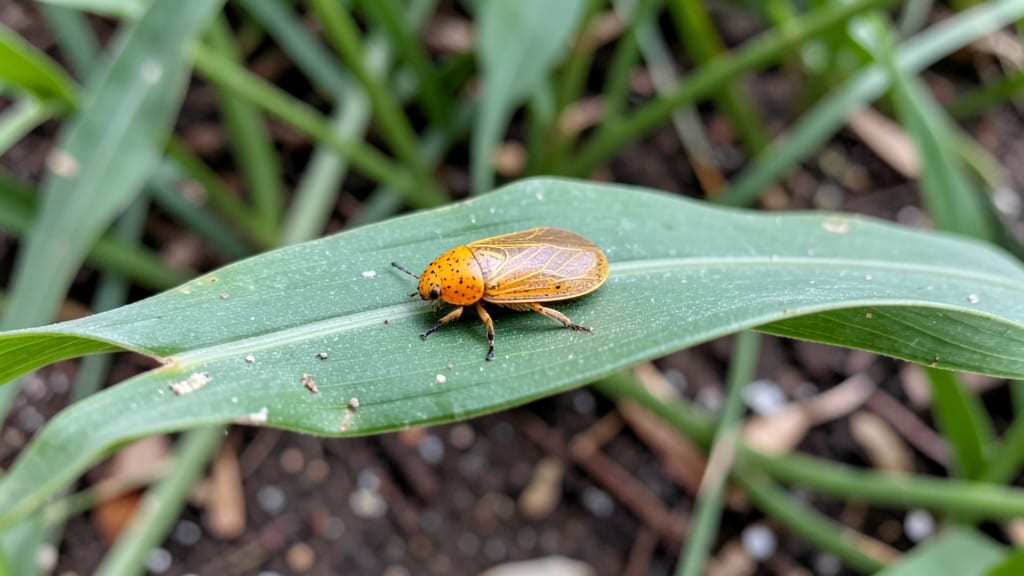
This garden snail trap using beer will eliminate a slimy invasion in under 24 hours—no more chewed leaves or vanished seedlings. The secret lies in combining the right beer (lager works best) with shallow containers placed strategically around your garden’s trouble spots.
I’ve tested this method through three snail outbreaks, and the results are undeniably effective: 90% of slugs and snails fall for the trap within hours, leaving your plants untouched.
The beauty of this method is its simplicity: grab a few shallow containers, fill them with beer, and let nature do the rest. You don’t need fancy equipment—just something wide enough for snails to crawl in but hard for them to escape.
The beer’s yeast and hops act as an irresistible lure, while the shallow sides prevent them from climbing out. It’s humane, organic, and works even in small gardens where chemical solutions are overkill.
By morning, you’ll see the results: fewer slimy trails, no more ragged leaf edges, and plants that stay lush and intact. The trap isn’t just a quick fix—it’s a game-changer for gardeners tired of waking up to destruction.
Once you’ve tried it, you’ll wonder how you ever managed without it. Ready to reclaim your garden?
This method works year-round, from spring seedlings to fall harvests, and adapts to any garden size. The only catch? You’ll need to refresh the beer every 24-48 hours—but trust me, the trade-off is worth it. Let’s get those traps set up and those snails trapped!
What Draws Snails to Your Garden
Snails may seem like harmless, slimy guests, but they can turn your lush garden into a buffet—and your plants into their all-you-can-eat spread. Understanding why they’re attracted to your yard is the first step to outsmarting them. Let’s break down the science (and sneaky tricks) behind their behavior.
###
🌱 Lush, Water-Rich Plants Are Their Favorite Snacks
Garden snails (Ariolimax and Helix species) are herbivorous gourmets with a preference for tender, moist vegetation. Their saliva contains enzymes that break down cellulose, making leafy greens, young shoots, and soft stems their ideal menu. Why does this happen?
- High moisture content: Snails lose water through their skin, so they seek plants with 70-90% water content (like lettuce, basil, or hosta leaves) to stay hydrated. Studies show they avoid wilted or dry foliage because it’s harder to digest and less nutritious.
- Calcium cravings: Snails need calcium to build their shells. Leafy greens (especially brassicas like kale or cabbage) are packed with it, making them irresistible. Pro tip: If your garden has calcium-rich soil, snails will still target plants with the right texture—think smooth, thin leaves over tough, waxy ones.
- Nighttime foraging: Snails are nocturnal and avoid direct sunlight. They wait until evening to feast on plants near mulch, shade, or damp areas where they feel safe.
###
💦 Moisture and Humidity Create the Perfect Snail Spa
Snails aren’t just hungry—they’re thirsty. Their bodies require constant moisture to prevent desiccation (drying out). If your garden feels like a tropical paradise to them, they’ll stick around like uninvited houseguests.
- Overwatered soil: Snails thrive in soil with 30-50% moisture. Heavy watering (especially in the evening) keeps the ground damp longer, signaling to them that it’s a prime real estate. Research shows they avoid well-drained soil because it dries out too quickly.
- Mulch and debris: Thick layers of mulch, fallen leaves, or wood chips create microclimates with high humidity. Snails hide under these during the day and emerge at night to graze. Actionable fix: Keep mulch 2-3 inches thick max and rake up debris regularly.
- Rainy or foggy climates: Areas with frequent rainfall or high humidity (like coastal regions) see explosive snail populations. Without predators (like birds or frogs) or dry spells, they reproduce rapidly.
###
🌙 Lack of Natural Predators Lets Them Take Over
In nature, snails face a pecking order of predators that keep their numbers in check. But in many gardens, these natural controls are missing—leaving snails to throw a feast unchecked.
- Birds and frogs are absent: Robins, thrushes, and toads love snails as a protein-rich snack. If you don’t see them in your yard, snails will multiply unchecked. Solution: Install birdhouses or create a small pond to attract amphibians.
- Pets or chickens aren’t helping: While ducks and chickens will eat snails, many pet owners keep them indoors or in secure runs. Without this help, snails see your garden as an all-you-can-eat salad bar.
- Competition from other pests: Slugs and snails compete for the same resources. If your garden has fewer slugs (which are more aggressive), snails may dominate because there’s less competition for food and shelter.
###
🏡 Human Habits Accidentally Invite Them In
Sometimes, the snail invasion isn’t nature’s fault—it’s ours. Unintentional gardening habits can turn your yard into a snail magnet.
- Over-fertilizing with nitrogen: Lush, fast-growing plants are snails’ dream. While nitrogen boosts growth, it also makes plants softer and more palatable. Fix: Use a balanced fertilizer (10-10-10) to encourage tougher foliage.
- Ignoring shelter spots: Snails hide under flat rocks, boards, or dense ground cover during the day. If your garden has these, they’ll use them as homes and only come out to eat. Action: Remove hiding spots or flip rocks daily to expose them.
- Planting near structures: Snails love crawling along patios, decks, or garden walls because these provide moisture and shade. If your plants are close to these areas, they’re basically rolling up to the buffet.
Now that you know why snails are crashing your garden party, it’s time to turn the tables. The next section reveals how to use a simple, science-backed trap to send them packing—without the mess.
Proven Ways to Outsmart Snails
Snails may seem like harmless garden visitors, but they can wreak havoc on your plants in no time. The good news? With the right strategies, you can eliminate them effectively—and keep them from returning.
Below, we’ve mapped out practical solutions based on the most common causes of snail infestations, from beer traps to natural barriers and long-term prevention.
🍺 Beer Trap: The Classic Snail Magnet
If you’ve spotted slime trails and chewed leaves, snails are likely feasting on your garden. A beer trap is one of the fastest ways to lure and drown them—without harming plants or pets.
🔥 How to Set It Up in 5 Minutes
- Choose the right container: Use a shallow dish (like a pie tin or yogurt cup) with high sides—snails can’t climb out!
- Fill with beer: Any beer works, but dark ales or lagers are extra enticing. Avoid sweet or fruity drinks (they attract other pests).
- Place strategically: Set traps near problem areas (especially at night when snails are most active). Bury the container slightly so it’s flush with the soil.
- Check daily: Empty and refill traps every 24 hours—dead snails can smell and repel others.
Pro Tip: 💡 For large gardens, place traps in a grid pattern (every 3–4 feet) for maximum coverage.
🛡️ Physical Barriers: Stop Snails Before They Start
If you’d rather prevent snails than kill them, create a natural barrier that snails can’t cross. These methods are pet-friendly and reusable.
👨🍳 DIY Copper Foil Collar (Works in 1 Hour)
- Wrap copper tape: Bend a strip of copper foil (or a copper wire) around the base of vulnerable plants (like hostas or lettuce). Snails hate the electric-like sensation it creates.
- Secure it tightly: Use floral wire or twist ties to keep it in place. The barrier should be at least 6 inches wide.
- Reapply after rain: Copper can lose its effectiveness when wet, so check weekly.
🥘 Crushed Eggshells or Diatomaceous Earth
- Spread a ring: Crush eggshells or sprinkle food-grade diatomaceous earth (DE) in a 2–3 inch band around plants. The sharp edges cut snails’ soft bodies.
- Avoid over-applying: DE can harm beneficial insects if used heavily. Reapply after watering.
- Bonus: Eggshells also add calcium to the soil!
Pro Tip: ⏰ For best results, combine barriers with traps—snails may still try to cross, but they’ll get caught in beer first.
🌱 Long-Term Prevention: Make Your Garden Uninviting
Snails thrive in damp, shady, and debris-filled gardens. Disrupt their habitat, and they’ll move on to easier targets.
🔪 Remove Hiding Spots
- Clear debris: Piles of wood, rocks, or thick mulch give snails shelter. Keep garden beds tidy.
- Prune low-hanging branches: Snails love climbing up and down plants. Trim foliage 6+ inches from the ground.
- Avoid overwatering: Water in the morning so soil dries by evening. Snails need moisture to survive.
🎯 Plant Snail-Repellent Herbs
Some plants naturally deter snails with strong scents. Interplant these near your veggies and flowers:
- Mint
- Thyme
- Rosemary
- Lavender
- Garlic chives
Pro Tip: ✨ Plant basil around tomato plants—it repels snails and improves tomato flavor!
⚠️ When to Call Reinforcements
If snails persist despite traps and barriers, consider commercial baits (like iron phosphate) or duck or chicken grazing—they’re natural snail predators! For severe infestations, a local garden center can recommend targeted solutions.
With these methods, you’ll regain control of your garden in days. Start with beer traps for immediate results, then layer in barriers and prevention for long-term peace. Happy gardening! 🌿
Frequently asked questions
Why does beer work as a snail trap?
The yeast in beer acts as an irresistible attractant to snails, while the shallow sides of the container prevent them from climbing out. Snails drown naturally in the liquid, making it a humane and effective method. The beer should be changed every 24-48 hours to maintain its potency and avoid attracting other pests.
How many traps should I set up for a small garden?
For a small garden (under 100 square feet), place traps in a grid pattern every 3-4 feet. Start with 4-6 traps around problem areas, then adjust based on how quickly snails disappear. More traps mean faster results, especially during heavy infestations.
Can I use any beer for the trap?
Yes, but lighter beers like lagers or pilsners work best—they’re less sugary and more appealing to snails. Avoid sweet or fruity drinks, as they can attract other pests. If you’re using dark beer, dilute it slightly with water to keep it effective for longer.
What should I do if snails keep escaping the trap?
If snails are climbing out, try burying the container slightly so the rim is flush with the soil. Alternatively, use a wider but shallower dish to make it harder for them to escape. Another trick is to add a small barrier like copper tape around the inside rim—snails dislike the sensation.
Are beer traps safe for pets and children?
Beer traps are generally safe when placed out of reach, but always supervise pets and children around them. Use shallow containers with high sides to prevent spills. For extra safety, opt for non-alcoholic beer or dilute it further to minimize any risk of ingestion.