
Landscaping
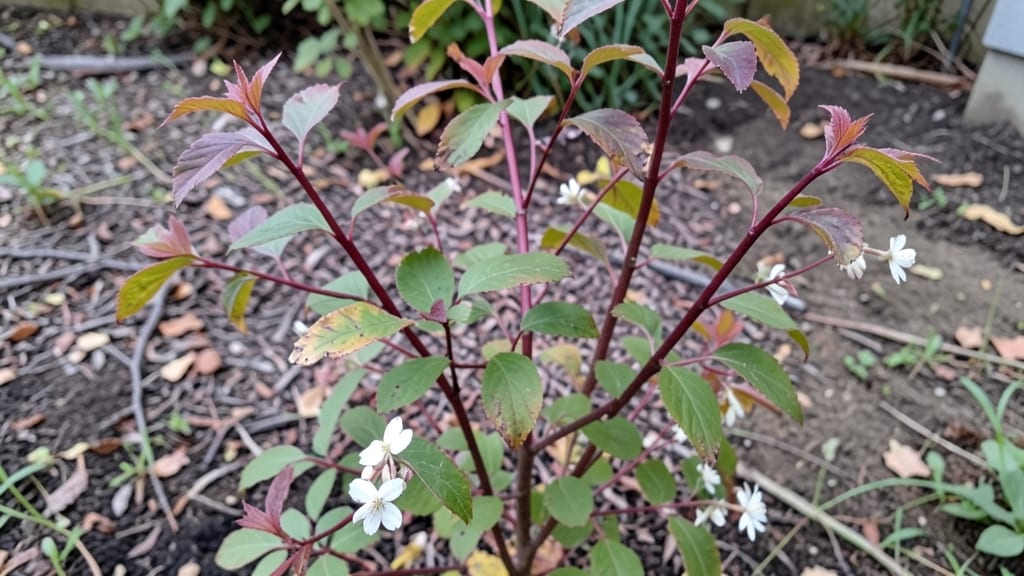
Gardening in New England isn’t just about surviving the winters—it’s about turning them into your secret weapon. 🌱 I’ve learned that the right frost-hardy plants and timing let you harvest fresh greens in May, tomatoes in August, and even winter greens under snow.
The key isn’t fighting the climate; it’s working with it.
New England’s short growing seasons demand smart planning: start cool-season crops like spinach and kale in early spring, succession-plant beans every two weeks, and protect tender plants with row covers when frost sneaks up.
My garden thrives because I treat winter as a dormant season—not a break—using cold-hardy crops like winter rye and garlic to keep productivity going year-round.
By late summer, you’ll be harvesting crisp apples, hearty squash, and even late-season herbs like thyme, all while preparing beds for next spring’s early starts. The soil stays alive under snow, and the first thaw reveals fresh growth ready to burst through.
This isn’t just gardening; it’s a four-season dance with the land.
Whether you’re in Zone 3’s harsh winters or Zone 7’s milder edges, the same principles apply: layer crops, extend seasons, and never let a frost stop you.
The payoff? A pantry stocked with homegrown staples from every season—and the satisfaction of beating the odds. Let’s get those seeds in the ground!
📚 In This Guide
- What you need
- Instructions
- Tips and common mistakes
- Wrapping up and next steps
What you need
- ● Seeds: Choose frost-tolerant varieties like kale, spinach, peas, carrots, and lettuce. Start with 2–3 packets per crop for a bountiful yield.
- ● Soil: 2–3 cubic yards of high-quality, well-draining soil (amend with compost for optimal fertility).
- ● Compost: 1–2 bags (5–10 lbs each) to enrich soil and retain moisture.
- ● Mulch: 10–15 cubic feet (straw or wood chips) to protect plants from frost and retain heat.
- ● Plant Stakes: 10–20 stakes (6–12 inches tall) for tall plants like peas or sunflowers.
- ● Organic Fertilizer: 1–2 bags (e.g., 5-10-5 or compost-based) to boost growth.
- ● Garden Trowel: 1 medium-sized (for planting and transplanting).
- ● Pruners: 1 pair (bypass pruners for clean cuts).
- ● Garden Gloves: 1–2 pairs (durable, breathable fabric).
- ● Watering Can or Hose: 1 (with adjustable nozzle for precision).
- ● Rake: 1 medium (for leveling soil and removing debris).
- ● Wheelbarrow: 1 (for hauling soil, mulch, or plants).
- ● Thermometer: 1 soil/air thermometer (to monitor frost risks).
- ● Cold frames or row covers to extend the growing season.
- ● Drip irrigation system for efficient watering.
- ● Seedling heat mats for early starts in cold springs.
- ● Garden journal to track planting dates and progress.
Seasonal planting calendar for a thriving New England garden
New England’s climate demands smart timing—here’s how to maximize your harvest year-round.
🌱 Step 1: Plan Your Spring Planting (March-April)
Start with cold-hardy crops like peas, spinach, and kale, which can handle New England’s chilly springs. I like to sow these 4-6 weeks before the last frost date—typically mid-April in most regions. Use a row cover to protect seedlings from late frosts.
For warm-season crops like tomatoes and peppers, begin seeds indoors 6-8 weeks before transplanting. A sunny windowsill or grow light keeps them strong until soil warms to 50°F—usually early June. I mark my calendar with the average frost dates for my zone to avoid planting too early.
☀️ Step 2: Summer Planting and Succession (May-August)
Once soil reaches 60°F, plant heat-loving crops like beans, cucumbers, and squash. In New England’s short summers, I stagger plantings every 2-3 weeks to ensure a continuous harvest. Succession planting works especially well for lettuce and radishes—sow new batches every 10-14 days.
Keep an eye on watering—New England summers can be dry. Mulch with 2-3 inches of straw to retain moisture and protect roots. I water deeply in the morning to prevent fungal diseases, which thrive in damp evening conditions.
🍂 Step 3: Fall Planting for Winter Harvests (September-October)
Fall is the perfect time for frost-tolerant crops like Brussels sprouts, carrots, and winter spinach. I plant these 6-8 weeks before the first frost—usually late August to early September. These crops actually sweeten when exposed to light frosts, making them ideal for New England’s crisp autumns.
Extend the season with cold frames or low tunnels. A simple clear plastic cover over a wire hoop can protect greens until 20°F, letting you harvest fresh salad greens well into winter. I always harvest before hard freezes, which can damage tender stems.
❄️ Step 4: Winter Prep and Early Spring Tasks (November-February)
Use winter’s downtime to plan next year’s garden. I sketch layouts, order seeds, and test soil pH. New England’s cold winters also allow for soil prep—amend beds with compost in early spring before planting. This ensures nutrients are available when plants need them most.
Start cold-hardy crops indoors in late winter. Peat pots for onions and leeks can go straight into the ground in early spring, giving them a head start. I keep seed trays near a sunny window or under grow lights to encourage early germination.
🌿 Step 5: Year-Round Maintenance (All Seasons)
New England’s unpredictable weather means constant vigilance. I monitor soil moisture weekly, adjusting for rain or drought. Drip irrigation helps conserve water while keeping plants consistently hydrated. Prune perennials in early spring to encourage new growth before the season’s peak.
Keep records of what works—and what doesn’t. Note which crops thrive in your microclimate, and adjust planting times accordingly. Over time, you’ll fine-tune your schedule to match New England’s ever-changing conditions.
Tips & tricks for perfect four-season New England gardening
New England’s gardeners know timing is everything—here’s how to make the most of each season while avoiding common pitfalls.
Soil Temperature Matters: That 50°F soil temperature in Step 1 for warm-season crops isn't just a number—it's your green light to plant tomatoes and peppers. I use a soil thermometer to check before transplanting, especially in cooler years. If soil is still below 50°F, wait another week or use black plastic mulch to warm it faster. Trust me, rushing leads to leggy, weak seedlings that never recover.
Succession Planting Secret: The 10-14 day intervals in Step 2 might seem frequent, but they're key to beating New England's short growing season. I set calendar reminders for lettuce and radishes—every 14 days in May, then every 10 days in June when days are longer. This ensures you're always harvesting fresh greens instead of getting overwhelmed with a single massive crop.
Cold Frame Strategy: Extending harvests to 20°F with cold frames is a game-changer for New England winters. I use simple wire hoops with clear plastic sheeting, anchored with bricks. The key is ventilation—leave one side open during mild days to prevent overheating. You'll get crisp greens when stores are bare, and it's cheaper than buying winter salads!
Winter Prep Hack: Don't let winter be wasted time! I dedicate January to organizing seed packets by planting date and testing soil pH (aim for 6.0-7.0). This head start means I'm ready to plant as soon as soil is workable in spring. Pro tip: Store seeds in the fridge in airtight containers—they'll last longer and stay fresh for next year.
Pro Tips for Gardening New England
- New England’s gardeners know timing is everything—here’s how to make the most of each season while avoiding common pitfalls.
- Soil Temperature Matters: That 50°F soil temperature in Step 1 for warm-season crops isn't just a number—it's your green light to plant tomatoes and peppers.
- Succession Planting Secret: The 10-14 day intervals in Step 2 might seem frequent, but they're key to beating New England's short growing season.
Frequently asked questions
Got questions about gardening in New England’s unique climate? You’re not alone! Here are answers to the most common concerns—from frost timing to hardy plant picks—that’ll help you thrive year-round.
When is the best time to start planting in New England?
New England’s short growing season means timing is everything! For spring, start cool-season crops (like kale or peas) as soon as the soil is workable (late March–April). Warm-season plants (tomatoes, peppers) wait until after the last frost (mid-May to June). Fall is ideal for hearty greens and root veggies—plant by early September for a harvest before hard frosts hit.
How do I protect my plants from New England’s harsh winters?
Frost isn’t the end—layer mulch (straw or leaves) around perennials, use row covers for tender crops, and group plants for shared warmth. For containers, move them to a sheltered spot or use insulated planters. Evergreens like winterberry or hemlock also act as windbreaks. Pro tip: Water before hard freezes to protect roots!
What are the easiest vegetables to grow in New England’s climate?
Start with low-maintenance winners: lettuce, spinach, and radishes (fast-growing and frost-tolerant); potatoes (thrive in cool soil); and green beans (drought-resistant). For beginners, container-friendly herbs like thyme or rosemary also handle New England’s swings with ease!
What do I do if my garden fails due to unexpected frost or pests?
Don’t panic! Frost: Cover crops immediately with blankets or cloches. Pests: Try neem oil or introduce beneficial insects (like ladybugs). For next year, rotate crops and choose resistant varieties (e.g., BlightMaster tomatoes). Learn from setbacks—even pros adjust their strategies!
Can I garden successfully in New England without a traditional in-ground plot?
Container gardening
, raised beds, and vertical gardens work perfectly for small spaces or rocky soil. Opt for compact varieties (like bush beans or patio tomatoes) and use lightweight, frost-resistant pots. Even balconies can grow herbs or microgreens—New England’s short season is no excuse!
Wrapping up and next steps
New England’s unique four-season climate isn’t just a challenge—it’s an opportunity to grow abundant, frost-hardy harvests year-round! From cold-hardy greens in winter to late-summer tomatoes, this planting calendar gives you the confidence to turn every season into a gardening success. 🌱❄️🌻
Ready to dig in? Start small—pick one season to focus on first, then expand as you gain confidence. Grab your gloves, sketch a simple plan, and let New England’s resilient soil work its magic. Your future harvest (and bragging rights) await!
- Next step: Bookmark this guide, mark your calendar, and join local gardening groups to swap tips with fellow New England green thumbs!