
Planting
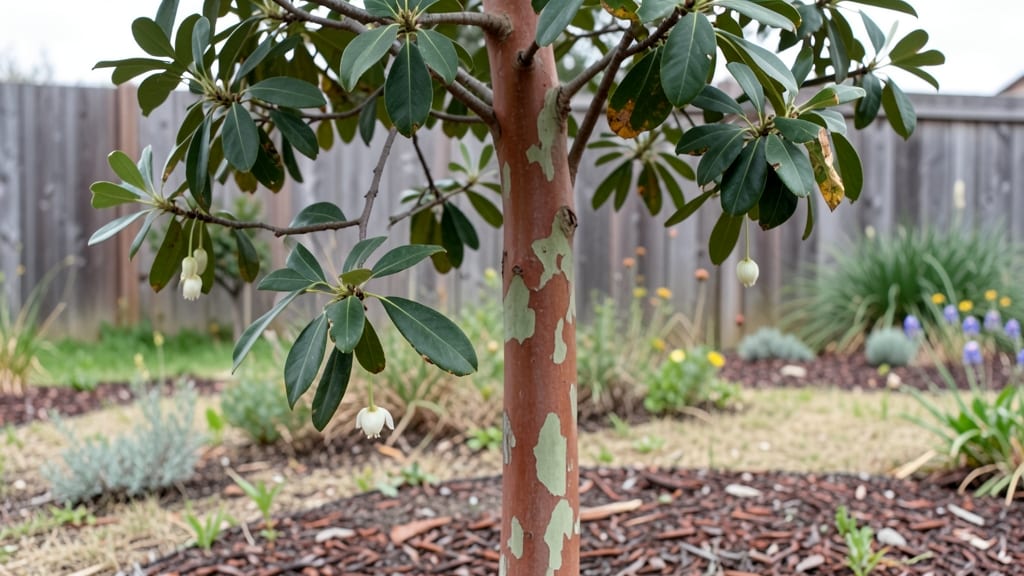
Gardening in Northern California isn’t just possible—it’s thriving year-round with the right approach 🌱.
Northern California’s diverse microclimates—from foggy coastal gardens to sun-drenched inland valleys—create the perfect conditions for year-round gardening, but only if you plant the right species. Discover the hardy, drought-tolerant, and frost-resistant plants that thrive in this region’s unique zones, ensuring a lush garden no matter the season.
Whether you’re a beginner or a seasoned gardener, understanding your local microclimate is key to success. Coastal areas like San Francisco can grow almost anything, while inland regions like Sacramento need frost protection for tender plants. The right plants make all the difference.
Here, you’ll learn which plants to choose, when to plant them, and how to keep your garden flourishing through every season—no matter where you live in Northern California.
Northern California microclimates explained: how to match plants to your Zone
Northern California’s gardening success hinges on understanding its microclimates, where just a few miles can mean 10°F temperature swings or dramatic frost differences.
The coastal regions near San Francisco and Santa Cruz enjoy USDA Zone 9b-10a with rare frost, while inland areas like the Sacramento Valley and Sierra foothills drop into Zone 7b-8a with cold snaps. Even the Bay Area transitions from mild coastal breezes to hotter inland valleys just 20 miles away.
These microclimates create opportunities for year-round growing, but only if you select plants that match your local conditions. Coastal gardens thrive with fog-loving species like coast live oak and California bay laurel, while inland areas excel with heat-tolerant crops such as artichokes and figs.
The key is leveraging these differences to extend your growing season and reduce water waste.
Here’s how to decode your microclimate and choose the perfect plants for your garden:
If you live in coastal zones, you can grow tropical-looking plants like citrus trees or bougainvillea year-round, thanks to the mild winters. In contrast, inland gardens in the Sacramento Valley or Sierra foothills must plan for earlier plantings to avoid first-frost dates as early as mid-October.
For example, cool-season crops like broccoli and carrots should be sown by late summer in these areas, while warm-season crops like peppers and eggplants thrive with longer growing seasons.
Sunlight exposure is another critical factor. Coastal gardens often receive partial shade due to marine layer fog, making them ideal for shade-tolerant plants like hostas or ferns. Meanwhile, inland valleys bask in full sun, perfect for sun-loving vegetables such as tomatoes and peppers.
Even within the Bay Area, a south-facing slope can be 5°F warmer than a north-facing garden, so orient your beds accordingly.
Water needs also shift dramatically. Co
Top 10 year-round plants for Northern California gardens
Northern California’s diverse microclimates mean you can grow lush gardens year-round, but only with the right plants. From coastal fog belts to sunbaked inland valleys, these 10 resilient species thrive without fuss.
They’re drought-tolerant, pollinator-friendly, and many even survive wildfire smoke, making them perfect for modern gardens.
Whether you’re a beginner gardener or a seasoned pro, these plants offer low-maintenance beauty and practical benefits. Some are edible, others attract butterflies and bees, and a few double as fire-resistant barriers. Let’s dive into the top performers that keep your garden thriving in every season.
🌱 Top 10 Year-Round Plants for Northern California
- 1. California Native Grasses – Drought-proof, fire-resistant, and low-maintenance. Perfect for slope stabilization and wildlife habitats.
- 2. Toyon (Heteromeles arbutifolia) – A holly-like shrub with red berries that feed birds and thrives in poor soil.
- 3. Lavender (Lavandula spp.) – Fragrant, pollinator magnet, and drought-tolerant. Use in medicinal teas or scented sachets.
- 4. Artichoke (Cynara cardunculus) – Edible, perennial, and thrives in heat. Harvest globe-shaped buds for cooking.
- 5. Manzanita (Arctostaphylos spp.) – Evergreen shrub with stunning bark and wildfire-resistant qualities.
- 6. Sage (Salvia officinalis) – Hardy herb that survives frost and repels pests. Great for culinary use.
- 7. Ceanothus (California Lilac) – Drought-resistant, fast-growing shrub with vibrant purple blooms.
- 8. Rosemary (Rosmarinus officinalis) – Perennial herb that loves heat and attracts bees. Use in cooking or potpourri.
- 9. Yarrow (Achillea millefolium) – Medicinal, pollinator-friendly, and self-seeding. Thrives in poor soil.
- 10. Ice Plant (Delosperma spp.) – Succulent ground cover with bright flowers and zero water needs.
Pro Tip: Pair drought-tolerant natives with edible perennials for a functional and beautiful garden!
Each of these plants was chosen for its adaptability to Northern California’s climate. For example, lavender and rosemary handle hot inland summers while toyon and manzanita thrive in cooler coastal fog. Artichokes and sage even produce edible harvests, reducing your grocery bills.
To get the best results, amend your soil with compost before planting and mulch heavily to retain moisture. Most of these plants prefer well-draining soil and full sun, but a few—like ceanothus—tolerate partial shade.
Start with small containers if you’re testing new varieties, then transplant mature specimens into your garden.
For fire-prone areas, prioritize manzanita and ceanothus—both are naturally fire-resistant and re-sprout quickly after disturbances. If you’re near the coast, lavender and rosemary will thrive in salty air and add fragrance to your garden.
No matter your location, these plants ensure your garden stays lush, low-maintenance, and resilient.
Ready to transform your space? Grab a few of these year-round stars and watch your garden flourish with minimal effort. Happy planting! 🌿