
Tools
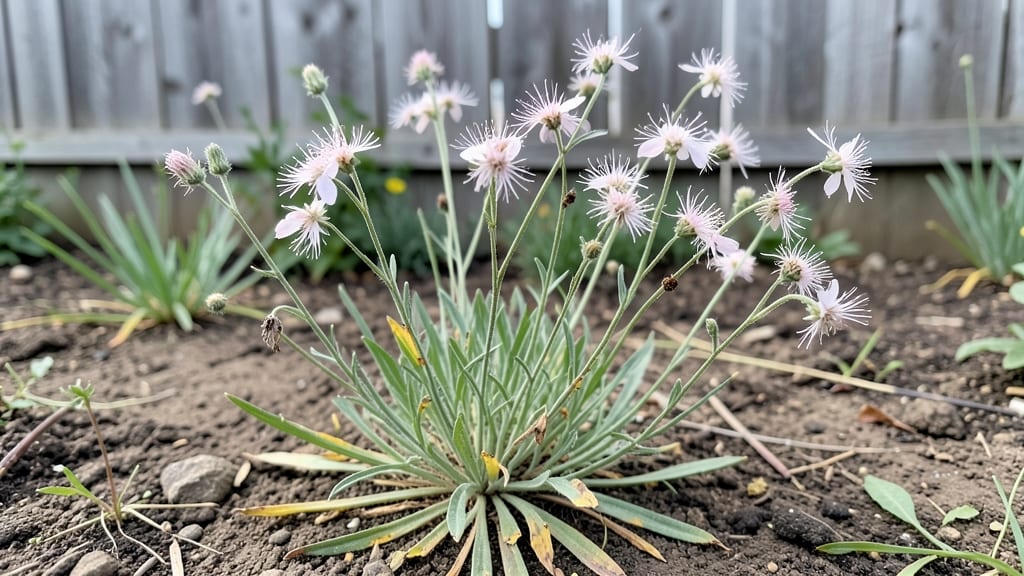
Gauras in garden designs might seem like an afterthought, but they’re the quiet superstars of low-maintenance borders and pollinator-friendly spaces. 🌿 I first spotted them in a cottage garden where they softened the edges between perennials and shrubs—adding delicate movement and color without demanding a single extra hour of care.
Their fern-like foliage and airy blooms create a natural screen that works year-round, whether you’re blocking a neighbor’s view or framing a garden path.
The real magic happens when you pair them with the right plants. Try them alongside lavender for a fragrant, drought-tolerant border or mix in with black-eyed Susans for a wildflower meadow vibe. They thrive in full sun or partial shade, so they adapt to almost any spot.
Spacing them 18-24 inches apart ensures their wispy stems don’t get crowded, and their spring-to-fall blooms keep the color going long after other plants fade.
What you’ll end up with is a garden that feels effortlessly put-together—like someone spent hours styling it, but really, it just grew that way. The blooms dance in the breeze, attracting butterflies while keeping weeds at bay, and the foliage stays lush even when other perennials look tired.
It’s the kind of plant that makes gardening feel like less work and more joy.
Works in cottage gardens, modern borders, or even as a pollinator magnet in a wildflower patch. Let’s make your garden the kind of place where gaura isn’t just filling space—it’s the star of the show.
Why Gaura Struggles In Gardens
Gaura, also known as Oenothera lindheimeri or beeblossom, is a prized garden plant for its long-lasting blooms and drought tolerance—but even this hardy beauty can face challenges.
Understanding the root causes behind its potential setbacks helps you address them effectively. Let’s break down the science and practical reasons why gaura might underperform in your garden.
Gaura thrives in well-draining, slightly alkaline soil (pH 6.0–7.5), but many gardeners unknowingly create conditions that stress the plant. Here’s why soil can sabotage your gaura:
- Compacted or heavy clay soil restricts root expansion, leading to wilting or yellowing leaves. Gaura’s delicate roots need air and water movement—when soil stays soggy, roots suffocate and rot.
- Excess organic matter (like compost or peat) can make soil too rich, causing leggy growth and fewer blooms. Gaura prefers lean, mineral-rich soil over nutrient-heavy mixes.
- Acidic soil (pH < 6.0) locks out essential nutrients like calcium and magnesium, leading to stunted growth or leaf curl. A simple soil test can reveal imbalances.
💡 Pro Tip: Amend heavy soil with sand or perlite (20–30%) and avoid over-fertilizing. For acidic soil, mix in crushed limestone to raise pH gradually.
Gaura’s drought tolerance is legendary, but overwatering is a silent killer. Here’s the science behind the damage:
- Waterlogged roots cut off oxygen, triggering root rot (a fungal infection). Gaura’s fibrous roots need to dry between waterings—soggy soil suffocates them.
- Fungal diseases like Phytophthora or Pythium thrive in wet conditions, causing brown, mushy stems or yellowing foliage.
- Mulch piled too high (over 2–3 inches) can smother stems and trap moisture, accelerating rot.
🌡️ Key Fix: Water deeply but infrequently—aim for 1 inch per week (less in summer). Use drip irrigation or soaker hoses to avoid wetting leaves, which spreads disease. Raise beds slightly if your soil drains poorly.
Gaura’s hardiness (USDA Zones 4–9) doesn’t mean it’s immune to environmental temperature swings. Here’s how heat and cold disrupt its growth:
| Problem | Cause | Symptoms |
|---|---|---|
| Heat Stress | Temperatures above 90°F (32°C) for prolonged periods | Wilting, dropped buds, or bleached leaves (sun scald) |
| Cold Damage | Frost or temperatures below 20°F (-7°C) for young plants | Blackened stems, crispy leaves, or delayed spring growth |
| Late Frost | New growth emerging before last frost date | Frozen buds or stunted stems |
🔥 Solution:
- Provide afternoon shade in hot climates (use lattice or shade cloth).
- Mulch with 2–3 inches of straw in winter to insulate roots.
- Wait to plant until after the last frost or use row covers for early spring.
Gaura’s resilience doesn’t make it invincible—pests and pathogens can still take a toll. Here’s what to watch for:
- Aphids & Spider Mites: These sap-suckers cause sticky leaves (aphids) or fine webbing (mites), leading to yellowing and stunted blooms.
- Powdery Mildew: A fungal disease that creates white, powdery patches on leaves, blocking sunlight and reducing photosynthesis.
- Caterpillars & Slugs: They munch on leaves and buds, leaving ragged holes or chewed petals.
🎯 Prevention & Treatment:
- Neem oil (for aphids/mites) or insecticidal soap (for soft-bodied pests).
- Remove infected leaves and space plants for airflow to prevent mildew.
- Use copper tape or beer traps for slugs; handpick caterpillars early.
By tackling these common issues with targeted fixes, your gaura will rebound with vibrant blooms and lush foliage—proving it’s worth the effort! 🌸
Reviving and Protecting Your Gauras
Gauras are resilient, but even the hardiest plants need a little help to thrive. Whether your plants are struggling with pests, diseases, or environmental stress, these targeted solutions will get them back on track—plus, we’ll share simple prevention tips to keep them blooming beautifully all year.
1. Yellowing or Wilting Leaves Cause: Overwatering, poor drainage, or root rot. Solution:
🔥 Check the soil moisture—stick your finger 1-2 inches deep.
If it’s soggy, hold off on watering. - 🍳 Repot if needed—use a well-draining mix (add perlite or sand to clay soil). - 👨🍳 Trim damaged foliage with clean pruners to redirect energy to healthy growth. - ⏰ Adjust watering schedule—gauras prefer dry soil between waterings.
Prevention Tip: 💡 Plant in raised beds or containers with drainage holes to avoid waterlogging.
2.
Leggy Growth or Few Blooms Cause: Overcrowding, lack of sunlight, or excessive nitrogen fertilizer. Solution: - 🔥 Prune back leggy stems by 1/3 to encourage bushier growth. - 🍳 Move to sunnier spot—gauras need 6+ hours of direct sun daily. - 👨🍳 Fertilize lightly—use a low-nitrogen, high-phosphorus formula (like 5-10-10) in spring. - ⏰ Deadhead spent blooms to encourage more flowers.
Prevention Tip: ✨ Space plants 12-18 inches apart for airflow and sunlight access.
3.
Pest Infestations (Aphids, Spider Mites, or Whiteflies) Cause: Stress from drought, poor soil, or crowded conditions. Solution: - 🔥 Blast pests off with a strong spray of water (early morning works best). - 🍳 Apply neem oil (mix 1 tbsp per quart of water) as a natural repellent. - 👨🍳 Introduce beneficial insects—ladybugs or lacewings eat aphids naturally. - ⏰ Check undersides of leaves weekly for early signs of pests.
Prevention Tip: 🌡️ Keep soil consistently moist (not soggy) to deter pests.
4.
Powdery Mildew or Fungal Spots Cause: High humidity, poor airflow, or wet foliage. Solution: - 🔥 Remove infected leaves immediately and dispose of them. - 🍳 Spray with baking soda mix (1 tsp baking soda + 1 quart water + a drop of dish soap). - 👨🍳 Improve airflow by thinning out nearby plants. - ⏰ Water at the base (avoid overhead watering in humid climates).
Prevention Tip: 🎯 Choose disease-resistant varieties like ‘Siskiyou Pink’ or ‘Candy Stripe’.
5.
Winter Dieback or Frost Damage Cause: Cold-sensitive roots or late frosts. Solution: - 🔥 Mulch heavily (3-4 inches of straw or shredded leaves) before first frost. - 🍳 Protect young plants with frost cloth or a mini greenhouse. - 👨🍳 Prune back dead growth in early spring—new shoots will emerge. - ⏰ Avoid fertilizing in fall—focus on root strengthening.
Prevention Tip: 💡 Plant in sheltered spots (near fences or walls) for natural windbreak.
Final Pro Tip: 🌟 Gauras are drought-tolerant once established—overwatering is their #1 enemy! Let soil dry between waterings, and they’ll reward you with nonstop blooms all season.
Frequently asked questions about gaura in your garden
What’s the best way to use gaura as a natural privacy screen?
Plant gaura in staggered rows 18-24 inches apart along fences or property lines. Their airy blooms create a soft, living screen that moves beautifully in the breeze while allowing light to filter through. For taller screens, pair them with Russian sage or lavender—both thrive in similar conditions and add height.
Can gaura grow in containers or is it only for garden beds?
Gaura thrives in containers with well-draining soil and at least 5-gallon pots for mature plants. Use terracotta or fabric pots to prevent root rot, and place them in full sun. Dwarf varieties like ‘Whirlybird’ are perfect for balconies or patios. Just water when the top 1-2 inches of soil feel dry.
How do I keep gaura blooming all season without deadheading?
While deadheading extends bloom time, gaura’s natural self-cleaning habit means you can skip it! Simply prune back leggy stems by 1/3 in early spring to encourage bushier growth. For continuous color, fertilize lightly with a low-nitrogen formula (like 5-10-10) in spring only—too much nitrogen reduces blooms.
What plants pair best with gaura for a pollinator-friendly garden?
Gaura’s delicate blooms attract butterflies and bees, so pair it with black-eyed Susans, coneflowers, or salvia for a buzzing meadow effect. For contrast, add purple verbena or catmint—both love similar sun and soil conditions. Avoid heavy feeders like petunias, which compete for nutrients.
Why does my gaura look sad after winter?
Gaura often goes dormant in winter, but if it looks limp or yellow in spring, it’s likely overwatered or root-bound. Trim back dead stems and wait until soil warms (50°F+) before watering. For containers, repot if roots circle the edges. Mulch with straw in fall to protect roots from temperature swings.