
Pests
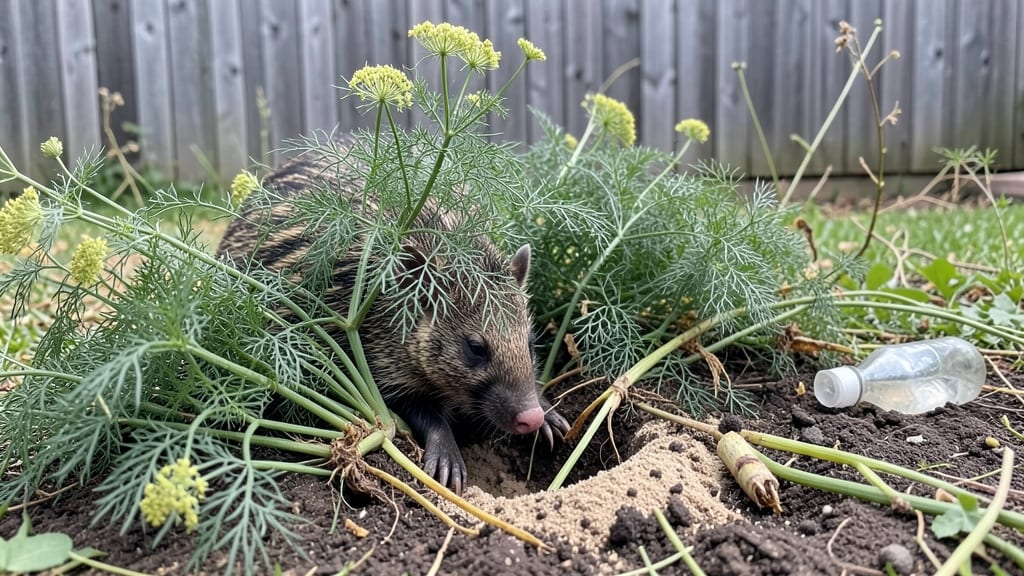
Here’s how to deter armadillos from your yard—those armored troublemakers that’ve turned my garden into a lunar landscape after three summers of digging, until I finally found humane solutions that actually work. pets.
The key isn’t just one trick but a layered approach that makes your yard less appealing than the woods next door.
Most people grab the first repellent they see, only to have armadillos shrug it off like a bad hair day. Instead, we’re combining spicy pepper spray barriers (safe for pets when applied correctly), habitat tweaks (like removing their favorite snacks), and simple fencing that doesn’t break the bank.
Think of it like closing every door and window in your house—armadillos need multiple reasons to leave.
By the end, you’ll have a yard where armadillos take one sniff of the pepper spray, one look at the fencing, and decide your neighbor’s yard is suddenly more interesting.
Your plants stay intact, your soil stays undisturbed, and you won’t wake up to fresh holes every morning. Here’s exactly how to make it happen—step by step.
This works in any yard size, from suburban backyards to rural properties, and adapts to different climates. The secret? Consistency. Armadillos are stubborn, but they’re not stupid—they’ll move on if your yard becomes a no-go zone. Let’s get started.
Root Causes of Armadillo Visits
Armadillos don’t just wander into your yard by accident—they’re drawn in by specific factors tied to survival, habitat, and behavior. Understanding these triggers is the first step to outsmarting them. Here’s why these armored critters might be digging up your lawn, munching on plants, or rummaging through trash.
🌱 Food Availability: The Ultimate Lure
Armadillos are omnivorous scavengers, meaning they’ll eat almost anything—especially if it’s easy to find. Their diet includes:
- Insects and grubs: They use their powerful claws to flip rocks and dig into soil, targeting beetle larvae, ants, and worms. If your yard has thatchy grass, mulch piles, or compost heaps, it’s like a buffet to them. 🐜🍽️
- Fruits and vegetables: Overripe tomatoes, fallen apples, or even pet food left outside becomes a magnet. Armadillos have a keen sense of smell (up to 30 feet away!) and will investigate anything that smells like a meal.
- Pet food and garbage: Unsecured trash cans or pet bowls left overnight are open invitations. Armadillos are nocturnal, so they’ll raid your recycling bin after dark when you’re asleep. 🗑️🐾
Science note: Their diet is protein-rich to support their rapid metabolism, so they prioritize high-calorie, easy-to-access food sources—even if it means raiding your yard.
🏡 Shelter and Nesting Needs
Armadillos are solitary creatures that need safe spaces to rest, nest, and raise their young (yes, they have four identical babies in a litter!). Your yard might offer:
- Dense vegetation: Bushes, tall grass, or leaf piles provide cover from predators (like coyotes or bobcats) and shade during the day. If your yard has untamed corners or woodpiles, it’s a prime hideout. 🌿🛏️
- Underground burrows: They dig complex tunnel systems (up to 15 feet deep!) for nesting. If your soil is loose, sandy, or easy to excavate (common in southern states), they’ll carve out a home under patios, sheds, or even your garden beds. 🏗️🐾
- Water sources: A leaky hose, birdbath, or puddle after rain attracts insects—and armadillos follow the bugs. They also need hydration, so standing water (even a shallow dish) can keep them lingering. 💦
Fun fact: Armadillos are not hibernators but do enter a torpor-like state in extreme heat or cold. A cozy, shaded burrow keeps them comfortable year-round.
🌙 Nocturnal Habits and Human Activity
Armadillos are crepuscular (most active at dusk and dawn), which means they’re out when you’re indoors. Here’s how human behavior accidentally encourages them:
- Poor lighting: Dark yards without motion-sensor lights or outdoor lighting give them cover to forage undetected. They rely on their excellent night vision and low-light movement. 🌑🚫
- Landscaping practices: Overwatering lawns or using chemical pesticides can kill insects, forcing armadillos to seek food elsewhere—often your garden or compost. 💦🍄
- Lack of barriers: Unlike raccoons or opossums, armadillos don’t climb fences, but they’ll dug under them if there’s an opening. A 6-inch deep underground barrier (like hardware cloth) can stop them—but if it’s missing, they’ll waltz right in. 🏗️🐾
Key insight: Armadillos are not aggressive but are opportunistic. If your yard offers food, shelter, or easy access, they’ll stay—sometimes for months.
🌎 Climate and Regional Factors
Armadillos thrive in warm, humid climates (like the southern U.S.), but they’re expanding their range due to:
- Mild winters: Without freezing temperatures, they don’t migrate and will stick around if resources are available. 🌡️❄️
- Urban sprawl: As natural habitats shrink, armadillos adapt to suburban areas, especially if they find lawns, gardens, or trash to replace their usual diet of insects in wildlands. 🏙️🌾
- Drought conditions: Dry soil makes digging harder, so they seek out moist, soft ground—like flower beds or mulch—where they can tunnel easily. 🌵💧
Regional hotspot: States like Texas, Florida, and Louisiana report the most armadillo sightings due to their ideal climate and abundant food sources.
Practical Fixes for Armadillo-Proofing
Armadillos may be cute, but their digging and foraging habits can wreak havoc on your yard. The good news? With the right strategies, you can make your property less appealing to them.
Below, we’ll break down cause-specific solutions—from quick fixes to long-term prevention—so you can reclaim your yard without harming pets or the environment.
🔥 Blocking Access Points: Seal Their Entry
Armadillos dig burrows and squeeze through small gaps, so denying them access is key.
🔧 Install Hardware Cloth Barriers
- Why it works: Armadillos can’t dig through sturdy materials like ½-inch hardware cloth or wire mesh.
- How to do it:
- Bury the mesh 12–18 inches deep around garden beds, patios, or vulnerable areas.
- Extend it 2–3 feet above ground to prevent them from climbing over.
- Secure edges with staples or landscape staples to keep them in place.
- Pro tip: 💡 Use galvanized or plastic-coated mesh to prevent rusting.
🚧 Fill and Smooth Digging Zones
- Why it works: Armadillos seek soft, loose soil to dig. Compacted or rocky soil deters them.
- How to do it:
- Rake and pack down soil in high-traffic digging areas.
- Add gravel or landscape fabric over loose soil before replanting.
- For severe cases, lay pavers or concrete slabs in problem spots.
🚪 Secure Trash and Compost Bins
- Why it works: Armadillos are attracted to food scraps, pet food, and rotting organic matter.
- How to do it:
- Use locking lids or heavy-duty bins rated for wildlife.
- Store bins on concrete or metal stands (not directly on soil).
- Clean bins weekly to remove odors that lure them in.
🌶️ Natural Repellents: Safe and Effective
Armadillos dislike strong smells and tastes, so homemade sprays and barriers work well.
🍊 Citrus and Vinegar Spray (Pet-Safe!)
- Why it works: Armadillos avoid citrus and vinegar due to their strong scent.
- Recipe:
- Mix 1 gallon water + 1 cup white vinegar + 10 citrus peels (or 2 tbsp citrus oil).
- Spray along property lines, near burrows, and entry points.
- Reapply every 3–5 days or after rain.
- Pro tip: 🌡️ Store in a spray bottle with a pump for easy reapplication.
🌿 Cayenne Pepper Spray (Hot but Pet-Friendly)
- Why it works: Armadillos hate spicy capsaicin—this is the star of our article’s method!
- Recipe:
- Blend 1–2 habanero peppers (or 1 tbsp cayenne powder) + 1 gallon water + 1 tbsp dish soap (as a stickier).
- Strain, pour into a spray bottle, and apply along fences, garden edges, and burrow entrances.
- Reapply every 2–3 days (or after rain).
- Safety note: ✨ Non-toxic to pets if used as directed—avoid spraying on plants they may eat.
🌱 Plant Armadillo-Repelling Flora
- Why it works: Some plants emit strong scents that armadillos dislike.
- Best options:
- Marigolds (deter pests with their scent).
- Lavender (calms humans but confuses wildlife).
- Rosemary (armadillos avoid its woody smell).
- Onions or garlic (plant near vulnerable areas).
- Pro tip: 🎯 Mulch heavily around these plants to enhance scent diffusion.
🏗️ Long-Term Prevention: Make Your Yard Uninviting
Once you’ve addressed immediate issues, strategic landscaping keeps armadillos away for good.
🌑 Illuminate and Disturb Their Habitat
- Why it works: Armadillos are nocturnal and dislike bright lights.
- How to do it:
- Install motion-activated floodlights near entry points.
- Place wind chimes or solar-powered noise emitters (they hate sudden sounds).
- Keep grass short—tall grass provides hiding spots.
🐕 Use Pet-Friendly Deterrents (If You Have Dogs/Cats)
- Why it works: Armadillos avoid areas with predator scents.
- How to do it:
- Let your dog’s urine or paw prints mark territory (works surprisingly well!).
- Rub pet-safe predator urine (coyote or fox) around the perimeter (available at garden stores).
- Walk your dog regularly near problem areas to reinforce boundaries.
🚜 Modify the Landscape
- Why it works: Armadillos seek moist, soft soil and shade.
- How to do it:
- Remove leaf litter and debris (they nest underneath).
- Drain wet areas with French drains or sand.
- Plant dense shrubs (like boxwood or holly) to block burrowing access.
⚠️ What NOT to Do (Mistakes to Avoid)
- ❌ Avoid poisons or traps—they’re illegal in many areas and harm other wildlife.
- ❌ Don’t use mothballs—they’re toxic to pets and children.
- ❌ Skip reapplication—repellents wash out or lose potency over time.
- ❌ Ignore burrows—if left open, they’ll attract snakes, rats, or even raccoons.
Final Thought: Armadillos are opportunistic diggers, but with barriers, repellents, and smart landscaping, you can outsmart them without cruelty. Start with one or two methods, monitor results, and combine strategies for the best defense. Your yard—and your peace of mind—will thank you!
Frequently asked questions
How long does it take to see results with pepper spray barriers?
Most people notice a difference within 5-7 days of consistent application. Armadillos are persistent, so reapply the spray every 2-3 days or after rain to maintain effectiveness. The key is persistence—they’ll eventually sniff out the pepper scent and move on!
Will cayenne pepper spray harm my pets or children?
When used correctly, cayenne pepper spray is non-toxic to pets and humans. The spiciness only irritates their sensitive noses, not their skin or eyes. Just avoid spraying directly on plants they might nibble or areas where pets frequently play. Always keep it out of reach of curious hands!
Can I combine multiple deterrents for better results?
Layering methods works best. Try pairing the pepper spray with hardware cloth barriers and citrus-vinegar sprays for maximum effect. Armadillos get confused when they encounter multiple unappealing factors—like a buffet with no food, no shelter, and a spicy welcome mat!
Why do armadillos keep returning even after I've applied repellents?
They might be coming back for food sources you haven't addressed yet—like pet food left outside or overripe fruit. Double-check your trash bins, compost piles, and garden beds. Also verify your barriers are properly installed (buried deep enough and without gaps). A single unappealing factor won't deter them long-term!
Are there any armadillo deterrents that work year-round?
The most reliable year-round solutions are hardware cloth barriers and strategic landscaping like removing leaf litter and dense vegetation. These create permanent obstacles they can't overcome. Repellents like pepper spray still need reapplication, but physical barriers provide continuous protection regardless of season!