
Tools
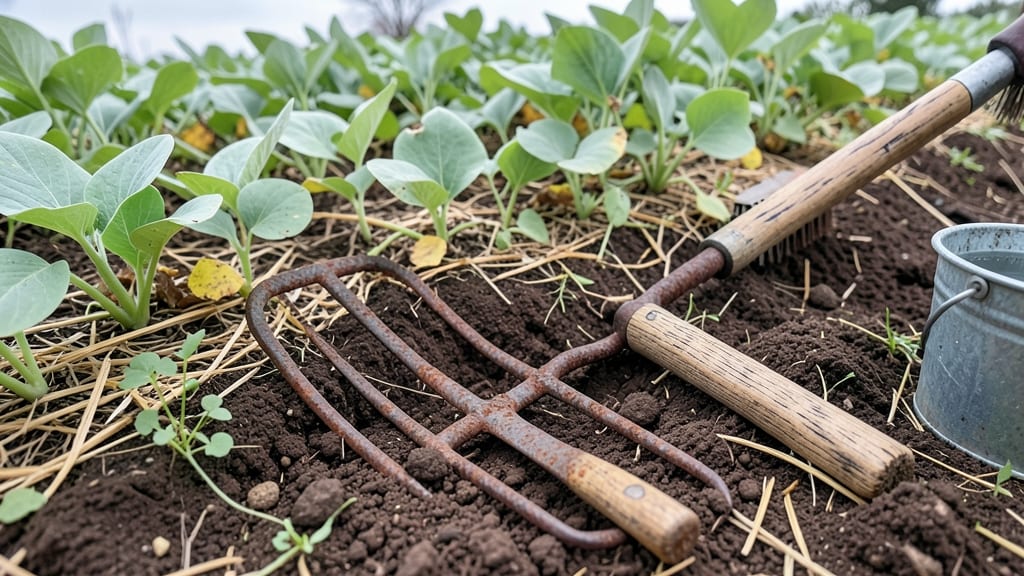
Learn how to get rust off garden tools before they turn into a gardening eyesore—vinegar soak saved mine, and it can save yours too, with just a few household items and 30 minutes. minutes of your time.
Start by soaking tools in equal parts white vinegar and water for 1-2 hours—rust dissolves like magic. Scrub with steel wool or an old toothbrush for stubborn spots, then rinse and dry thoroughly. The result? Tools that look brand new and last for seasons to come.
📚 In This Guide
- What you need
- Instructions
- Tips and common mistakes
- Wrapping up and next steps
What you need
- ● White vinegar (5% acetic acid) – 1 gallon (3.8 liters) or enough to fully submerge tools
- ● Plastic or enamel container – Large enough to hold tools (e.g., a bucket or basin)
- ● Stiff-bristle brush or wire brush – For scrubbing stubborn rust spots
- ● Rubber gloves – To protect your hands from vinegar and rust particles
- ● Old toothbrush – For detailed cleaning in crevices
- ○ Baking soda (optional) – ½ cup (120g) for extra scrubbing power
- ● Rag or towel – For drying and polishing tools
- ○ Cooking oil or mineral oil (optional) – 1-2 drops for post-cleaning protection
- ● Rust converter (e.g., Por-15) – For heavy corrosion or long-term protection
- ● Sandpaper (fine-grit, 220+) – For smoothing rough spots after rust removal
- ● Dish soap – 1 tbsp (15mL) to help break down grime before vinegar soak
- ● Plastic wrap or lid – To cover the container and enhance soaking efficiency
Step-by-step instructions for removing rust from garden tools
Here's the straightforward method I use to restore tools to like-new condition every season.
Prepare Tools and Workspace for Cleaning
Start by removing any loose dirt or debris from your tools using a stiff brush or old toothbrush. This ensures the vinegar can penetrate rust spots effectively. I like to work outdoors or in a well-ventilated area—vinegar fumes are strong, and you don't want to breathe them in for long periods.
Lay out a towel or newspaper to catch drips. If your tools have wooden handles, wrap them in plastic wrap or tape to protect the wood from the vinegar. This is especially important for handles that might absorb moisture and swell.
Create the Vinegar Soak Solution
Fill a large container—like a bucket or basin—with enough white vinegar to fully submerge the rusted parts of your tools. I use about 2-3 cups of vinegar for a small batch of tools, but scale up as needed. The acidity in vinegar breaks down rust quickly, so you don't need fancy chemicals.
For stubborn rust, add a tablespoon of baking soda to the vinegar. Stir it in until dissolved. The baking soda acts as a gentle abrasive, helping to lift rust without scratching the metal. Place the tools in the container, ensuring the rusted areas are fully immersed.
Soak and Scrub for Rust Removal
Let the tools soak for at least 1 hour, but I often leave them overnight for heavily rusted items. You'll see the rust bubbling and loosening as the vinegar works its magic. Check periodically—if the rust hasn't softened after an hour, give it more time.
After soaking, use a wire brush, steel wool, or an old toothbrush to scrub away the softened rust. Work in small sections, focusing on crevices and joints where rust loves to hide. Rinse each tool thoroughly with water to remove vinegar residue, which can corrode metal over time if left behind.
Dry and Protect Tools for Long-Term Care
Dry the tools completely with a clean towel or cloth. Moisture left on metal can cause new rust to form. Once dry, apply a thin layer of mineral oil or WD-40 to the cleaned metal surfaces. This creates a protective barrier against future rust. I avoid using oil on wooden handles, as it can make them slippery.
Store your tools in a dry place, like a shed or garage, where they won't be exposed to moisture. If you notice rust forming again, repeat the vinegar soak process before it spreads. Regular maintenance keeps your tools in great shape for years.
Tips & tricks for perfect vinegar rust removal
These practical tips will help you tackle rusted tools like a pro, ensuring your garden tools stay sharp and shiny for years to come.
Preparation is Key: Before soaking, give your tools a thorough cleaning with a stiff brush to remove loose dirt and debris. This step is crucial because it allows the vinegar to make direct contact with the rusted areas, maximizing its effectiveness. I've found that using an old toothbrush works wonders for reaching tight spots and crevices where rust often hides.
The Soak Time Factor: The minimum soak time of 1 hour is essential, but don't hesitate to leave tools overnight for heavily rusted items. I've seen rust that looked hopeless after just a few hours of soaking completely disappear after an overnight soak. The vinegar works slowly but effectively, breaking down rust at its core. Check periodically to monitor progress, especially if you're short on time.
Protection for Wooden Handles: When working with tools that have wooden handles, take extra care to protect them from the vinegar. Wrapping handles in plastic wrap or using tape creates a barrier that prevents the vinegar from seeping into the wood, which could cause swelling or warping. This simple step ensures your tools remain both functional and aesthetically pleasing.
Post-Soak Care: After removing tools from the vinegar bath, rinse them thoroughly with water to eliminate any residue. Leaving vinegar on metal surfaces can lead to further corrosion over time. Once dry, applying a thin layer of mineral oil or WD-40 creates a protective barrier that helps prevent future rust formation. Just remember to avoid applying oil to wooden handles to maintain their grip and prevent slipperiness.
Pro Tips for Get Rust Off Garden Tools
- These practical tips will help you tackle rusted tools like a pro, ensuring your garden tools stay sharp and shiny for years to come.
- Preparation is Key: Before soaking, give your tools a thorough cleaning with a stiff brush to remove loose dirt and debris.
- The Soak Time Factor: The minimum soak time of 1 hour is essential, but don't hesitate to leave tools overnight for heavily rusted items.
Frequently asked questions
Got questions about banishing rust from your garden tools? You’re not alone! Here are some common concerns—and easy answers—to help you tackle rust like a pro.
How long should I soak my tools in vinegar to remove rust?
A vinegar soak of 1–2 hours usually does the trick for light rust. For stubborn rust, extend it to 4–6 hours or even overnight. Just check periodically to avoid over-soaking, which can weaken metal over time.
Can I use baking soda instead of vinegar for rust removal?
Mix baking soda with water to form a paste, then scrub it onto rusted tools. It’s a gentle but effective alternative to vinegar. For extra power, add a few drops of dish soap to help lift rust faster.
Will vinegar damage my garden tools?
Vinegar is safe for most metal tools (like steel or iron), but avoid it on aluminum, copper, or painted surfaces—it can strip coatings or cause corrosion. Always rinse tools thoroughly after soaking and dry them completely to prevent future rust.
What if the rust won’t come off after soaking?
If rust persists, try these tricks:
- Scrub with steel wool (0000 grade) for tough spots.
- Use a wire brush to dislodge flakes before soaking again.
- Apply WD-40 or mineral oil after cleaning to protect tools long-term.
How often should I clean and oil my garden tools to prevent rust?
After every use, wipe tools dry and apply a thin layer of mineral oil, WD-40, or specialized tool oil. For heavy-duty tools, deep-clean and oil them every 3–6 months to keep them rust-free all season. A little maintenance now saves big headaches later!
Wrapping up and next steps
Removing rust from your garden tools doesn’t have to be a chore—with just a few household ingredients like vinegar or baking soda, you can restore that like-new shine in no time!
Whether you’re dealing with stubborn corrosion or light surface rust, these methods are simple, cost-effective, and eco-friendly. Your tools will thank you with years of reliable service!
Now that your tools are rust-free, take the next step: store them properly to prevent future rust. Hang them in a dry place, apply a light coat of oil, or keep them in a tool shed. Happy gardening—and happy toolkeeping! 🌱✨