
Pests
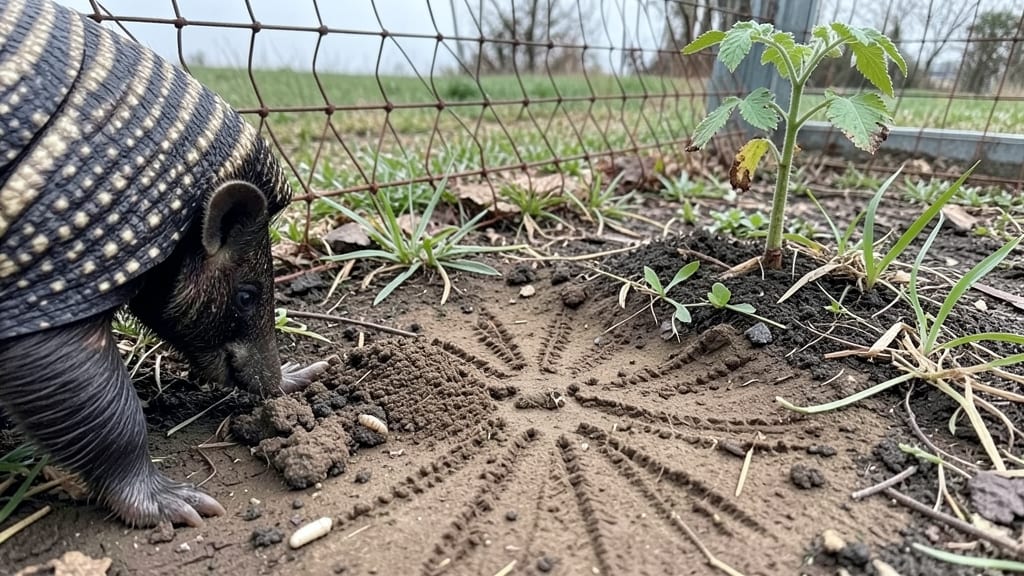
How to stop armadillos from digging in your yard—it’s not just annoying, but it’s also wrecking your soil and plant roots. I’ve had them turn my carefully leveled garden into a moon crater overnight, and I’m done with the chaos.
The good news? You don’t need harsh chemicals or expensive traps to stop them. A few smart, natural barriers can send them packing for good.
Most armadillos dig for grubs, so the real fix starts with eliminating their food source. Spread diatomaceous earth around vulnerable areas—it’s non-toxic, dries out their tunnels, and they’ll avoid it like a bad smell.
For physical protection, chicken wire buried 12 inches deep works like a charm, though it’s a bit of a project. The trade-off? It’s temporary, but combined with other methods, it’s a game-changer.
Once you’ve blocked their access, reinforce with strong scents they hate—think citrus peels, garlic, or even predator urine (yes, the fake kind). I’ve seen armadillos abandon a yard entirely after a few nights of this.
Your lawn stays intact, your plants thrive, and you avoid the guilt of harming wildlife. It’s a win-win that actually works.
This approach works year-round, but spring and fall are critical—those are their peak digging seasons. Start with one method, then layer in others based on what’s easiest for your yard. No more waking up to fresh craters or uprooted bulbs. Your garden will thank you.
The Hidden Triggers Of Armadillo Digging
Armadillos are nocturnal, solitary creatures with a voracious appetite for grubs, insects, and small invertebrates—which means your yard might be an all-you-can-eat buffet for them. But why do they dig in the first place? It’s not just about food.
Their digging behavior is a mix of survival instincts, habitat needs, and even social cues. Understanding these triggers is the first step to outsmarting them. Let’s break down the science behind their underground antics.
🐜 Food scarcity drives their search
Armadillos are insectivores, meaning their diet consists almost entirely of bugs, worms, and larvae. When natural food sources—like lawn grubs, ants, or beetle larvae—become scarce, they’ll dig aggressively to uncover hidden meals. Here’s why this happens:
- Seasonal Fluctuations: During droughts or extreme heat, insects retreat deeper into the soil. Armadillos must dig deeper (up to 12 inches) to access their meals.
- Human Landscaping: Pesticides and chemical lawn treatments kill off their natural prey, forcing them to search elsewhere. Ironically, over-manicured yards with no grubs = more digging.
- Nighttime Foraging: They dig most actively at dusk and dawn when insects are most active near the surface. If your yard lacks organic matter, they’ll tear it up to find anything edible.
Pro Tip: 💡 If your yard has thin soil or recently disturbed ground (like new sod or mulch), armadillos will zero in on it—it’s like a neon sign saying, “Free buffet here!”
🏡 Nesting and shelter needs
Armadillos aren’t just digging for food—they’re also creating underground dens for shelter, especially during breeding season (spring) or harsh weather. Their digging serves multiple purposes:
- Temperature Regulation: Their body temperature fluctuates with the environment. A cool, moist burrow (50–70°F) helps them thermoregulate during hot days or cold nights.
- Breeding And Raising Young: Females dig maternity dens (up to 3 feet deep) to give birth to their 4 identical quadruplets (yes, they always have four babies!). Males also dig temporary shelters.
- Avoiding Predators: Coyotes, bobcats, and even large dogs see armadillos as a meal. A well-hidden burrow system gives them an escape route.
Key Insight: If you notice multiple small holes (3–6 inches wide) in a cluster, it’s likely a family den. A single large hole? Probably a food-foraging site.
🌱 Soil type and ease of digging
Not all soil is created equal—and armadillos prefer the easy dig. Their powerful claws (like tiny shovels) can tear through soft, loose, or sandy soil in minutes. Here’s what makes your yard a digging magnet:
| Soil Type | Why Armadillos Love It | Digging Risk Level |
|---|---|---|
| Loamy (mix of sand, silt, clay) | Easy to aerate; holds moisture and insects | ⭐⭐⭐⭐ (High) |
| Sandy | Lacks structure; insects thrive; no resistance | ⭐⭐⭐⭐⭐ (Very High) |
| Clay | Hard to dig; may deter them unless food is abundant | ⭐⭐ (Low) |
| Recently Turned (gardening, construction) | Exposes fresh grubs and larvae; loose texture | ⭐⭐⭐⭐⭐ (Very High) |
Actionable Fix: If your yard has sandy or loamy soil, consider amending it with compost or organic matter to make digging harder—but only if you’re not trying to attract them for pest control!
🌙 Nocturnal habits and human influence
Armadillos are crepuscular (most active at dawn/dusk) and solitary, meaning they won’t dig in groups unless it’s for a den. Human activities can accidentally encourage their digging:
- Outdoor Lights: Motion-sensor lights or porch lights can disrupt their natural foraging patterns, making them dig closer to your home for safety.
- Pet Food Or Trash: Leaving pet food outside or having an unsecured trash bin attracts insects, which in turn attracts armadillos.
- Water Sources: Leaky hoses, birdbaths, or puddles create moisture-rich zones where insects congregate—digging hotspots for armadillos.
- Lack Of Natural Predators: In suburban areas, armadillos face fewer threats (like coyotes or owls), so they dig with less caution.
Fun Fact: 🐾 Armadillos have a poor sense of smell but an excellent sense of hearing and touch. They’ll dig toward vibrations (like insects moving underground) or disturbances in the soil.
Now that you know why armadillos are turning your yard into a moon crater, the next step is putting up barriers they can’t ignore. (Hint: It’s not just fences—some tricks are sneaky!)
Stop Armadillos from Digging Fast
Armadillos are relentless diggers, and their tunnels can wreak havoc on your yard—uneven ground, damaged roots, and even exposed wiring. The good news? With the right strategies, you can stop them in their tracks without harming these unique creatures.
Below, we’ve mapped out practical, humane solutions based on the most common causes of armadillo digging. Whether it’s food, shelter, or curiosity driving them, these fixes will help you reclaim your yard—fast.
🍳 Remove Their Food Sources
Armadillos dig to hunt for grubs, insects, and small prey. If they’re feasting in your yard, they’ll keep returning.
- 🔥 Eliminate Grubs & Insects
- Apply beneficial nematodes (microscopic worms) to the soil—they kill grubs naturally.
- Use milky spore powder (a bacteria-based treatment) to reduce Japanese beetle grubs.
- Pro Tip: 💡 Water the lawn deeply after treatment to help the nematodes spread.
- 🥘 Secure Trash & Compost
- Use metal trash cans with tight-fitting lids—armadillos can pry open flimsy bins.
- Keep compost piles covered with hardware cloth (¼-inch mesh) and away from yard edges.
- Pro Tip: ✨ Store pet food and birdseed in sealed containers—armadillos are opportunistic eaters!
- 🌱 Adjust Landscaping
- Remove leaf litter, mulch piles, and dense ground cover where grubs thrive.
- Plant grub-resistant grasses like Bermuda or Zoysia in high-traffic digging areas.
🏠 Block Their Shelter & Nesting Spots
Armadillos dig to create burrows for shelter, especially in dry or hot weather.
- 🔪 Install Physical Barriers
- Bury hardware cloth (¼-inch mesh) 6–12 inches deep around garden beds, patios, and lawn edges. Armadillos can’t dig through it!
- For existing tunnels, fill them with gravel or sand—they’ll avoid the discomfort.
- Pro Tip: 🎯 Extend barriers at least 2 feet outward from digging sites—they’ll dig just outside your fence if given the chance.
- 🌡️ Create Distractions
- Set up a shallow water dish (like a kiddie pool) with 1–2 inches of water—armadillos avoid deep water but may drink from shallow sources. Place it far from your home to lure them away.
- Pro Tip: 🔥 Add citrus peels or coffee grounds to the water—strong smells deter them further.
- 🏡 Seal Entry Points
- Check for gaps in porches, decks, or crawl spaces—armadillos can squeeze through surprisingly small holes (about 6 inches wide).
- Install door sweeps and vent covers to block access.
🎯 Disrupt Their Digging Habits
Sometimes, armadillos dig out of boredom or curiosity. Break the cycle with these tricks:
- 🔪 Use Repellents (Non-Toxic)
- Spray castor oil-based repellents (like Hot Pepper Wax) around digging sites—armadillos hate the smell.
- Pro Tip: 💡 Reapply after rain—repellents wash out quickly.
- Avoid mothballs—they’re toxic and can harm pets and plants.
- 🎶 Introduce Noise & Motion
- Place wind chimes, solar-powered lights, or a radio near digging spots—armadillos are sensitive to sudden movements and sounds.
- Pro Tip: 🌡️ Move these devices every few days to prevent them from getting used to the disturbance.
- 🐶 Encourage Natural Predators (Safely!)
- While armadillos have few predators, dogs or coyotes in the area may deter them. Just ensure your pets aren’t encouraging digging!
- Avoid trapping or relocating—it’s illegal in many states and often ineffective.
🛡️ Long-Term Prevention Tips
Once you’ve stopped the digging, keep armadillos from returning:
- 🌿 Maintain Your Yard
- Keep grass mowed short—tall grass hides grubs and provides cover.
- Aerate your lawn seasonally to reduce grub populations.
- 🔄 Rotate Solutions
- Armadillos are smart—they’ll adapt to one repellent or barrier. Combine methods (e.g., barriers + repellents) for best results.
- 📅 Monitor & Act Fast
- Check for fresh diggings daily, especially after rain (armadillos dig more when soil is soft).
- Fill new holes immediately with gravel or sand to discourage repeat visits.
Remember: Armadillos are protected in many states—focus on humane deterrents to keep them out without harm. With these strategies, your yard will stay intact, and these armored visitors will get the hint!
Frequently asked questions
Why do armadillos dig more in certain seasons?
Armadillos dig most aggressively during spring and fall, their peak breeding and foraging seasons. In spring, females dig maternity dens, while males search for food to prepare for mating. Fall digging is often driven by insect activity—grubs and larvae become more abundant as temperatures drop, making your yard a prime hunting ground. Summer heat forces them deeper underground, but they return when soil cools and softens.
How deep do I need to bury barriers to stop armadillos?
For maximum effectiveness, bury hardware cloth (¼-inch mesh) at least 12 inches deep around vulnerable areas. Armadillos can dig up to 18 inches in loose soil, but this depth creates an impenetrable barrier. Extend the barrier outward 2 feet from digging sites—they’ll dig just outside if given the chance. For existing tunnels, fill them with gravel or sand to discourage repeat visits.
Are there humane repellents that actually work?
Yes! Castor oil-based repellents like Hot Pepper Wax are highly effective and non-toxic. Armadillos dislike the smell and irritation, so spraying around digging sites deters them. Reapply after rain, as these repellents wash away quickly. Another option is citrus peels or coffee grounds—strong scents they avoid. Just avoid mothballs, which are toxic and harmful to pets and plants.
Can I use motion-activated lights or sprinklers?
Motion-activated lights or sprinklers create sudden disturbances armadillos dislike. Place them near digging hotspots, but move them every few days—they’ll adapt if the disturbance becomes predictable. For sprinklers, set them to activate at dusk or dawn when armadillos are most active. This method works best when combined with other barriers like buried hardware cloth.
What should I do if armadillos are already nesting in my yard?
If you discover a family den (multiple small holes in a cluster), avoid disturbing it—armadillos are protected in many states. Instead, focus on blocking entry points with hardware cloth and creating distractions like shallow water dishes far from your home. Once the young disperse (usually after 2 months), reinforce barriers and monitor for new digging. Never relocate them, as it’s illegal and often ineffective.