
Flowers
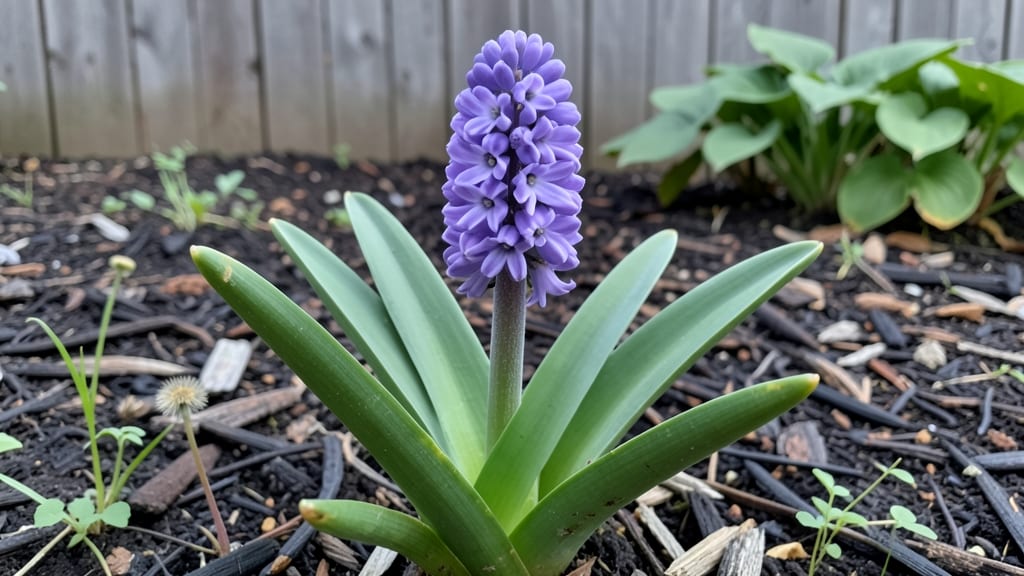
Garden hyacinths 🌷 bring bold color and sweet fragrance to spring landscapes, but their placement and timing can make or break that dreamy display.
Imagine waking up to a garden bursting with fragrant, vibrant hyacinth blooms—each cluster a splash of purple, pink, or white that announces spring’s arrival. But timing and placement are everything when growing these show-stopping bulbs.
Whether you’re designing a cottage garden, a formal border, or a wildflower meadow, hyacinths thrive in full sun and well-draining soil. Plant them in fall (September–November) for a spring surprise, and pair them with complementary plants like tulips or daffodils to extend your blooming season.
Below, I’ll show you the best spots to plant for maximum impact, how to group them for color harmony, and the simple care tricks that keep them blooming year after year.
Best planting times and zones for hyacinths in garden success
Hyacinths thrive when planted at the right time, but their optimal planting window depends on your USDA zone and local climate. These bulbs need a cooling period to bloom beautifully in spring, which means fall planting is ideal for most gardeners.
In warmer zones, you can even plant in early winter, while cooler zones may need to plant earlier to avoid frost damage.
The key to success is timing your planting so the bulbs establish roots before the ground freezes. For USDA zones 3-5, aim to plant 6-8 weeks before the first frost, typically between September and mid-October.
In zones 6-10, you have a bit more flexibility, but planting in October or November ensures the bulbs get the chill they need without rotting in wet soil.
Soil temperature is another critical factor. Hyacinths prefer to root in soil that’s 50-60°F (10-15°C). If you plant too early in warm soil, the bulbs may sprout prematurely and get damaged by frost. Use a soil thermometer to check conditions before planting—this small tool can save you from costly mistakes.
Many gardeners wonder whether spring planting is an option. While it’s possible in zones 8-10, spring-planted hyacinths often bloom later or produce fewer flowers because they miss the essential winter chill.
If you live in a mild climate, you can experiment with spring planting, but fall is always the safer bet for vibrant blooms.
Here’s a quick rule of thumb: Plant hyacinths when your lawn is still green but cooling down. This usually aligns with late summer to early fall, giving the bulbs enough time to root before winter sets in.
In USDA zone 10, where winters are mild, you can even plant in December or January for a spring display.
Now, let’s dive into the specifics. The summary table below breaks down the best planting times by zone, soil temperature needs, and what to expect in terms of bloom timing. Use this as your guide to plan your hyacinth planting schedule for a garden bursting with color next spring.
| USDA Zone | Best Planting Month | Soil Temp for Planting | Bloom Time | Notes |
|---|---|---|---|---|
| 3-5 | September-October | 50-60°F (10-15°C) | April-May | Plant 6-8 weeks before frost |
| 6-7 | October-November | 50-60°F (10-15°C) | April-May | Avoid planting too late |
| 8-9 | November-December | 60-65°F (15-18°C) | March-April | Can plant into early winter |
| 10 | December-January | 65-70°F (18-21°C) | February-March | Spring planting possible |
Once you’ve nailed down the planting window, focus on the location. Hyacinths love full sun to partial shade, but they’ll bloom best with at least 6 hours of sunlight daily.
If you’re planting in a shady spot, choose dwarf varieties like ‘Woodstock’ or ‘Delft Blue,’ which tolerate lower light better than standard types.
Another pro tip: Plant hyacinths in groups of 10-15 bulbs for a dramatic display. This creates a sea of color that’s far more impressive than scattered single bulbs.
Space them 4-6 inches apart and plant them 6 inches deep—this depth protects them from temperature swings and keeps them from drying out.
If you’re in a container garden, use well-draining pots with holes in the bottom. Fill them with a mix of potting soil and sand to prevent rot, and plant the bulbs close together to maximize impact.
Containers also let you move hyacinths to sheltered spots in winter if you’re in a zone with harsh freezes.
Finally, don’t forget that hyacinths are toxic to pets if ingested. Keep them out of reach of curious cats and dogs, and wear gloves when handling the bulbs if you’re sensitive to their sap.
With the right timing and care, your hyacinths will reward you with fragrant, show-stopping blooms that make spring feel like a fairy tale.
Top 5 garden locations for hyacinths to maximize color and fragrance
Hyacinths thrive when placed strategically in your garden, where their vibrant blooms and intoxicating fragrance can truly shine. The right location transforms these bulbs from mere additions into seasonal showstoppers.
Whether you have a sun-drenched border or a shady corner, there's a perfect spot for hyacinths to flourish and fill your garden with spring's sweetest scent.
One of the biggest mistakes gardeners make is treating hyacinths like any other bulb—planting them anywhere without considering their light needs or companion plants. These bulbs actually perform best when given specific conditions that mimic their natural Mediterranean habitat.
Let's explore the top 5 locations that will make your hyacinths bloom brighter, last longer, and fill your garden with that signature perfume.
Best for vibrant blooms
Plant hyacinths in south-facing borders where they'll receive 6+ hours of direct sun. This maximizes their color intensity and fragrance production. Pair with dwarf daffodils and alliums for layered spring interest.
Ideal for woodland gardens
Use deciduous trees that lose leaves in winter to create natural shade after blooming. Plant 6 inches deep and 6 inches apart near heuchera or hostas for year-round color contrast.
Perfect for patios and balconies
Choose 10-inch pots with drainage holes and plant 3-5 bulbs per container. Combine with pansies or snowdrops for early-season color. Ensure containers get morning sun to prevent overheating.
Creates fragrant pathways
Plant hyacinths in single-file rows along walkways where their scent will be released as you pass. Mix white hyacinths with lavender for a soothing, aromatic border that lasts all season.
Showcases natural beauty
Use dwarf varieties like 'Woodstock' in well-draining gravel mixes. Combine with sedum and thyme to create a low-maintenance, textured display that highlights hyacinths' compact growth habit.
When selecting locations, always prioritize well-draining soil—hyacinths hate soggy roots. Amend heavy clay with compost or sand to improve drainage. For containers, use a mix of potting soil and perlite to prevent waterlogging. Remember, hyacinths multiply over time, so leave extra space for their natural expansion.
For maximum impact, group hyacinths in odd-numbered clusters (3, 5, or 7 bulbs) rather than straight rows. This creates natural-looking drifts that look intentionally planted. Pair purple hyacinths with yellow daffodils or pink hyacinths with blue grape hyacinths for stunning color combinations that extend your spring display.
Pro tip: Plant hyacinths near seating areas or garden entrances where their fragrance can be fully enjoyed. The scent is strongest in the early morning, making it perfect for gardeners who love to sip coffee while surrounded by spring's sweetest aroma.
With the right location, your hyacinths will become the star attraction of your spring garden.