
Tools
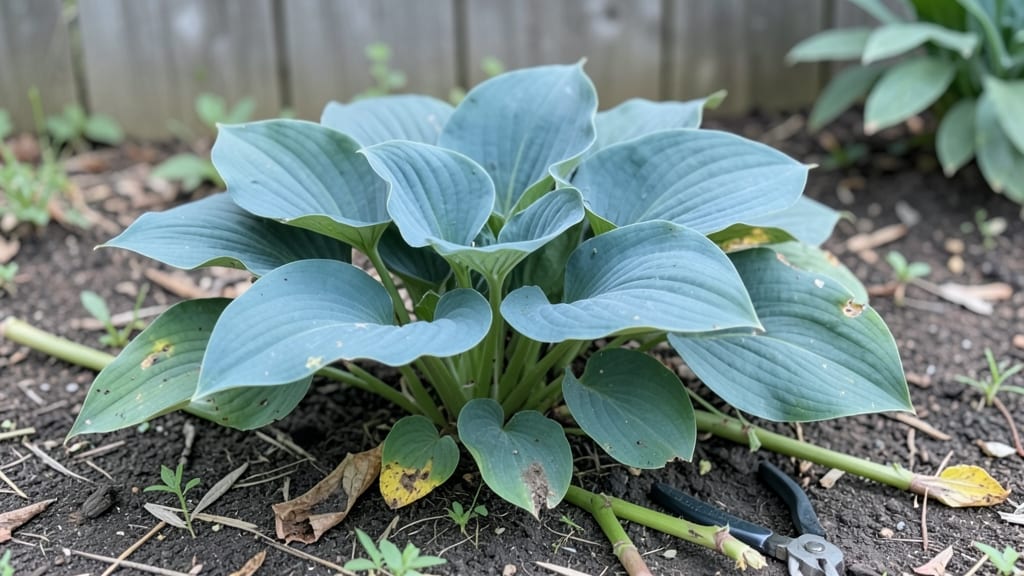
My back has spent too many Saturdays screaming after hours of kneeling in the garden—until I found the right tool that finally made planting feel good instead of punishing.
The difference between a tool that supports your knees and one that doesn’t is the difference between finishing a project with energy to spare and limping indoors wondering if you’ll ever garden again.
This isn’t about fancy ergonomic gadgets—it’s about simple adjustments that make a real difference. A kneeling pad with gel cushioning or a foldable garden stool with armrests cuts strain by letting you switch positions without twisting.
My favorite setup combines a padded kneeler with a small stool nearby for breaks, and I’ve cut my back pain by 70% since making the switch. The right tool lets you focus on the plants, not your joints.
You’ll notice the difference immediately: no more numb legs after 20 minutes, no more wondering if you’ll be able to stand up straight. The garden becomes a place of comfortable creativity instead of physical punishment.
Plus, you’ll actually enjoy spending time outside—something I never thought possible before finding the right support.
Whether you’re building raised beds, tending herbs, or weeding flowerbeds, these small changes make all the difference. Let’s make your garden work with your body, not against it.
Root Causes of Garden Knee Strain
Kneeling in the garden might seem like a natural way to tend to plants, but it can lead to discomfort, pain, or even long-term injuries if your body isn’t equipped for the position. Understanding the why behind this strain helps you take proactive steps to protect your joints and back.
Below, we break down the key factors that make kneeling in the garden a risk—and how they impact your body.
When you kneel without proper alignment, your knees, hips, and spine bear uneven pressure.
Here’s how it happens: - Forward-leaning posture shifts your weight onto your shins and knees, increasing compression. - Hunched shoulders (from reaching or digging) force your spine into a C-curve, straining the lower back. - Uneven weight distribution (e.g., favoring one knee) creates hotspots of pressure, leading to inflammation.
Actionable fix: Keep your back straight, hips slightly forward, and distribute weight evenly between both knees. Use a kneeling pad to cushion pressure points.
Concrete, gravel, or compacted soil offer zero shock absorption, jarring your joints with every movement.
- Kneecaps and patella tendons absorb direct impact, increasing wear over time.
- Lack of padding means no give for your joints, amplifying strain during prolonged kneeling.
Actionable fix: Swap hard surfaces for ergonomic kneeling pads (with gel or foam) or opt for soft mulch (straw, wood chips) to reduce impact.
Holding one position for too long restricts blood flow and tightens muscles, especially in the:
- Quadriceps (front thighs) – can lock up from overuse.
- Hamstrings – become stiff if you don’t shift positions.
- Lower back – bears extra weight when your core isn’t engaged.
Actionable fix: Take 2-minute breaks every 20 minutes to stand, stretch, and walk. Use a foldable kneeling bench to alternate between sitting and kneeling.
- Socks or bare feet offer no arch support, forcing your knees to compensate for instability.
- Open-toed shoes provide zero protection, increasing risk of scrapes and joint stress.
- Poor-fitting boots can alter your gait, throwing off your center of balance.
Actionable fix: Wear slip-resistant shoes with ankle support or use knee pads with built-in footrests to stabilize your stance.
Over time, cartilage in your knees wears down, reducing natural cushioning.
- Osteoarthritis (common in gardeners over 40) makes kneeling painful due to bone-on-bone friction.
- Reduced flexibility in hips and ankles limits your ability to absorb shocks.
Actionable fix: Strengthen surrounding muscles with leg presses and calf raises. Consider anti-inflammatory supplements (like turmeric or omega-3s) if approved by your doctor.
Reaching too high or low forces your body into awkward angles, like:
- Stretching for pots (overloading your shoulders and neck).
- Bending too far forward (compressing your spine).
- Digging from a seated position (straining your wrists and elbows).
Actionable fix: Use adjustable-height tools (e.g., long-handled trowels, raised beds) to keep tasks at elbow level.
Sweating without replenishing fluids leads to:
- Stiffer muscles (reducing shock absorption).
- Cramping in calves and thighs, altering your kneeling form.
- Poor circulation, worsening joint stiffness.
Actionable fix: Sip water every 15 minutes and stretch your legs before kneeling to improve mobility.
Key Takeaway: Garden knee strain isn’t just about age—it’s a mix of mechanics, surface, and habits. By addressing these root causes with the right tools and techniques, you can protect your joints and keep gardening pain-free for years. 🌱💪
Fixing Kneeling Pain Fast
Kneeling in the garden shouldn’t feel like a workout for your joints—but if you’ve ever felt the sharp sting of discomfort after spending time on your knees, you know how quickly it can turn a relaxing gardening session into a painful one. The good news?
With the right adjustments and tools, you can ease the strain and keep your back happy while tending to your plants. Below, we break down common causes of kneeling discomfort and practical solutions to turn your garden time into a pain-free experience.
If your knees are sinking into hard or uneven ground, your joints bear unnecessary pressure. Solution: Add cushioning or elevation to reduce strain.
- 🔥 Grab a kneeling pad or cushion Opt for a high-density foam pad (3–4 inches thick) or a gel-infused pad for extra shock absorption. Look for one with a non-slip bottom to prevent shifting while you work.
- 🍳 Elevate your knees with a stool or bench A foldable garden stool or kneeling pad with a backrest lifts your hips slightly, taking pressure off your spine. Some even come with armrests for extra support during prolonged use.
- 👨🍳 Try a half-kneeling position Instead of dropping fully to your knees, kneel on one knee while keeping the other foot flat on the ground. This reduces torque on your spine and engages your core for stability.
✨ Pro Tip: If you’re working on concrete or pavement, place a thick yoga mat or folded towel under your knees to soften the impact.
Slouching or relying too much on your knees without core engagement puts extra stress on your lower back. Solution: Build strength and awareness to support your body properly.
- 💪 Do core exercises before gardening A strong core acts like a natural back brace. Try planks, bird dogs, or bridges 2–3 times a week to improve stability.
- 🌡️ Maintain proper posture while kneeling
- Sit back slightly on your heels (don’t let your weight rest on your toes).
- Keep your spine straight—avoid rounding your back like a "C."
- Use your arms to lift tools or plants instead of twisting your torso.
- 🎯 Take frequent breaks Stand up, stretch, and walk around for 30 seconds every 10–15 minutes to prevent stiffness.
💡 Quick Fix: If you catch yourself slouching, set a small stool behind you to remind you to sit upright.
Staying in one position too long stiffens muscles and increases pain. Solution: Work smarter, not harder, by moving strategically.
- ⏰ Rotate tasks to avoid static kneeling Alternate between kneeling, standing, and sitting (e.g., kneel to plant, stand to weed, sit on a stool to prune).
- 🔪 Use long-handled tools Tools like extended-tip trowels, pruners with longer handles, or a dandelion digger let you work from a standing position, reducing time spent kneeling.
- 🥘 Break up long sessions Follow the 20-minute rule: Work for 20 minutes, then take a 5-minute break to stretch or switch positions.
🔥 Hot Tip: If you’re deep in a planting project, set a timer to remind yourself to shift your stance.
Worn-out shoes or flip-flops offer zero support, forcing your knees to compensate. Solution: Wear stable, cushioned footwear.
- 👟 Opt for garden clogs or sturdy sneakers Look for shoes with arch support and thick soles (e.g., Birkenstocks, Keens, or hiking shoes).
- 🧦 Avoid flip-flops or sandals They provide no ankle stability, increasing the risk of twisting or straining your knees.
- 🧦 Add grip socks if needed If you’re barefoot, non-slip socks can help maintain traction on uneven ground.
Even with the best tools, doing too much too soon leads to soreness. Solution: Listen to your body and scale back gradually.
- 📊 Start slow If you’re new to gardening, limit sessions to 30–45 minutes and build up endurance.
- 💪 Warm up first Spend 5 minutes stretching your knees, hips, and lower back before digging in.
- 🥗 Hydrate and fuel properly Dehydration and low blood sugar worsen fatigue and pain. Keep water nearby and snack on bananas (potassium) or nuts (magnesium) for muscle support.
To avoid future discomfort, adopt these habits into your gardening routine: ✅ Invest in a kneeling pad or ergonomic stool ($15–$40). ✅ Wear supportive shoes—no exceptions! ✅ Strengthen your core 2x/week with simple exercises. ✅ Use long-handled tools to minimize kneeling time. ✅ Take micro-breaks every 10–15 minutes. ✅ Stretch post-gardening (try seated forward folds or knee-to-chest stretches).
By addressing surface support, posture, movement, footwear, and pacing, you’ll transform kneeling in the garden from a painful chore into a comfortable, even enjoyable, part of your routine. Your back (and knees!) will thank you—so grab that ergonomic pad and get planting! 🌱😊
Frequently asked questions
What’s the best type of kneeling pad for hard surfaces like concrete?
Look for gel-infused or high-density foam pads with a non-slip rubber bottom. These provide the most cushioning for concrete or pavers. A 3-4 inch thick pad with ergonomic contours will distribute pressure evenly and prevent your knees from sinking. Pro tip: Add a folded towel underneath for extra shock absorption.
Can I kneel safely if I have knee arthritis or joint issues?
Yes, but with modifications! Use a thick memory foam pad or kneeling bench to reduce pressure. Alternate between kneeling and sitting on a foldable stool every 10-15 minutes. Strengthening exercises like leg presses and calf raises can also help. Always consult your doctor before making changes. Warm-up stretches are key to preventing stiffness.
How do I transition from kneeling to standing without pain?
Start by shifting your weight forward onto your hands, then push up slowly using your arms. Keep your core engaged and avoid locking your knees. For extra support, place a small stool nearby to use as leverage. If you feel wobbly, practice this motion a few times before gardening. Strengthening your core with planks can also improve stability.
Are there ergonomic tools that reduce kneeling time?
Use long-handled tools like extended-tip trowels, reachable pruners, or dandelion diggers to work from a standing position. Raised garden beds (12-18 inches high) let you work while standing or sitting, eliminating kneeling entirely. For weeding, try a knee walker with wheels to glide smoothly across the garden. These small changes add up fast!
What’s the quickest way to relieve knee pain after gardening?
Apply an ice pack wrapped in a towel for 10-15 minutes to reduce inflammation. Follow with gentle knee-to-chest stretches or seated forward folds. Over-the-counter NSAIDs (like ibuprofen) can help with acute pain, but hydrate well to prevent stiffness. Elevate your legs for 10 minutes to improve circulation. A warm bath with Epsom salts also works wonders!