
Landscaping
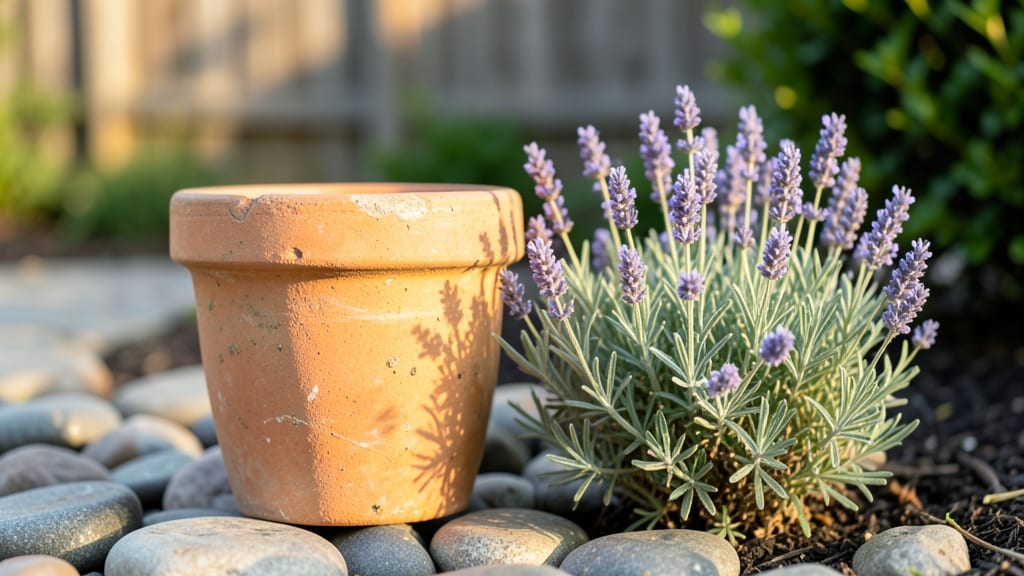
Creating a Mediterranean garden design feels like inviting the sun-drenched hills of Provence into your backyard. 🌿 The key is blending drought-tolerant plants—like silvery lavender and gnarled olive trees—with rustic terracotta pots and sun-bleached stone.
I’ve designed these spaces to thrive with minimal water once established, while still feeling lush and intentional.
The beauty of Mediterranean gardens lies in their effortless charm: low walls define raised planting beds, gravel paths mimic ancient Roman roads, and climbing roses soften stone arches. You don’t need acres—even a small balcony can host fragrant rosemary, thyme, and dwarf citrus in pots.
The color palette stays earthy: warm ochres, deep blues from wisteria, and crisp whites from oleander flowers.
What you’ll end up with is a space that smells like crushed herbs on a summer afternoon and looks timeless year after year. The plants need less fuss once rooted, the hardscaping ages beautifully, and the whole garden hums with quiet Mediterranean energy.
Let’s make your space feel like a sunlit courtyard from the south of France.
This style works equally well in hot, dry climates or milder coastal areas—just adjust plant choices for your zone. The principles stay the same: sun, stone, and scent. Ready to start sketching your sun-drenched retreat?
📚 In This Guide
- What you need
- Instructions
- Tips and common mistakes
- Wrapping up and next steps
What you need
- ● Soil & Amendments: Well-draining garden soil (50+ sq ft, depending on garden size)
- ● Compost or aged manure (1–2 bags per 10 sq ft for nutrient-rich soil)
- ● Gravel or pebbles (1–2 bags for pathways or drainage layers)
- ● Hardscaping: Flagstone or slate tiles (for patios/terraces; 10–20 sq ft, cut to size)
- ● Terracotta pots (varied sizes: 6–12", 1–2 per plant)
- ● Wrought iron or wooden trellises (1–2, 4–6 ft tall)
- ● Decorative stone borders (limestone or schist, 5–10 linear ft)
- ● Plants: Olive trees (1–2 mature plants or 3–5 young saplings, 3–6 ft tall)
- ● Lavender (10–20 plants, spaced 12–18" apart)
- ● Rosemary, thyme, oregano (5–10 plants for herb borders)
- ● Drought-tolerant perennials (e.g., santolina, salvia, 5–10 plants)
- ● Climbing plants (e.g., bougainvillea, 1–2 vines for trellises)
- ● Required: Shovel & spade
- ● Garden trowel
- ● Wheelbarrow (for hauling soil/rocks)
- ● Pruners (bypass pruners for clean cuts)
- ● Level & measuring tape
- ● Safety gloves & knee pads
- ○ Optional (but helpful!): String line & stakes (for layout)
- ● Soil pH tester (to ensure alkalinity for Mediterranean plants)
- ● Hose with nozzle or drip irrigation kit (for efficient watering)
- ● Outdoor string lights or lanterns (for evening ambiance)
- ● ✅ Sunlight: Ensure your garden gets 6+ hours of direct sun daily—Mediterranean plants thrive in full sun!
- ● ✅ Drainage: Avoid low-lying areas where water pools; elevate beds if needed.
- ● 💡 Pro Tip: Group plants with similar water needs (e.g., lavender + rosemary) to simplify care.
- ● 🌡️ Climate Note: If you’re in a cooler region, opt for cold-hardy varieties like Arbutus unedo (strawberry tree).
Step-by-Step instructions for creating a Mediterranean garden design
Here’s how to craft a timeless Mediterranean escape using sun, stone, and fragrant plants.
🪴 Step 1: Design Your Terraced Layout
Start by sketching your space with 4 distinct terraces (one for each plant grouping) on graph paper or digitally. Mediterranean gardens thrive with gentle slopes—each tier should be 2-3 feet lower than the next to create natural drainage. I like to use gravel pathways between levels (about 18 inches wide) to mimic rustic olive groves.
Place the highest terrace in the sunniest spot for drought-tolerant plants like rosemary and lavender. The lowest terrace can hold thirstier Mediterranean favorites like oregano or thyme. Mark each terrace’s edge with brick or stone borders to prevent erosion and define the space visually.
☀️ Step 2: Build Raised Beds with Stone and Soil
For each terrace, construct raised beds using unmortared stone walls (about 12-18 inches high). Stack flat stones horizontally, leaving 1-inch gaps between them to mimic traditional dry-stone walls. Fill each bed with 3-4 inches of coarse sand (for drainage) topped by 6 inches of well-draining potting mix. Avoid garden soil—it compacts and strangles roots.
Leave 6-8 inches of space between plants to allow air circulation. Mediterranean plants hate soggy feet, so add a 2-inch layer of gravel at the bottom of each bed before soil. This ensures water drains freely even during heavy rains.
🌱 Step 3: Plant Mediterranean Staples
Divide your terraces by sun exposure. On the sunniest terrace, plant olive trees (spaced 10-12 feet apart) and lavender (in clusters of 3-5 plants). For mid-tier terraces, add rosemary bushes (3 feet apart) and sage (2 feet apart). The lowest terrace can feature thyme ground cover and oregano in 1-foot spacing. Mulch with 1-2 inches of gravel to suppress weeds and retain moisture.
Water deeply once a week after planting to encourage root growth. After the first month, reduce watering to every 10-14 days—Mediterranean plants thrive on neglect once established. You’ll know you’ve got it right when lavender blooms abundantly in late spring and olive leaves stay silvery-green and crisp.
✂️ Step 4: Add Mediterranean Touches
Incorporate terracotta pots (filled with herbs or trailing plants like sedum) along the edges of terraces. Hang wrought-iron lanterns or clay pots from pergolas or trellises to evoke old-world charm. Use light-colored gravel (like pea gravel) for pathways—it reflects heat and keeps the space cool underfoot.
Add clusters of Mediterranean grasses (like fountain grass or blue fescue) to soften stone edges. These grasses sway in the breeze and attract beneficial insects. Finally, place a small stone fountain or shallow pool in the lowest terrace to create a soothing water feature—it’s a classic Mediterranean touch that adds tranquility.
💧 Step 5: Maintain for Long-Term Beauty
Prune lavender right after blooming to encourage bushier growth. Trim olive trees once a year in late winter to maintain shape. Remove spent flowers from rosemary and sage to keep plants looking tidy. Fertilize once a year in early spring with a low-nitrogen, organic fertilizer—Mediterranean plants prefer lean soil.
Watch for aphids or spider mites on lavender or rosemary. Spray affected plants with neem oil (diluted per instructions) to keep pests at bay without harsh chemicals. With minimal upkeep, your garden will flourish for years—just like the landscapes of Provence or Tuscany.
Tips & tricks for perfect Mediterranean garden design
Creating a Mediterranean garden takes more than just planting—it's about crafting a space that feels like a sun-drenched escape. Here are the secrets to making your terraces truly shine.
Terrace Slope Secret: When designing your 2-3 foot tier drops in Step 1, use a level to ensure each terrace maintains a consistent slope. I learned this the hard way—uneven slopes cause water pooling and erosion. For extra stability, add 1-inch deep trenches along the edges of each terrace to catch runoff and direct it toward drainage areas. This mimics natural Mediterranean landscapes where water flows gracefully rather than pooling.
Stone Wall Technique: For your 12-18 inch high unmortared stone walls in Step 2, start with the largest, flattest stones at the base. The key is to interlock stones by placing smaller ones in the gaps—this creates a self-supporting structure that lasts for years. Don't skip the 1-inch gaps between stones; they allow water to drain through while still maintaining the wall's integrity. Pro tip: Soak your stones in water for 24 hours before building to prevent them from absorbing moisture from the soil.
Plant Spacing Precision: The 6-8 inch spacing between plants in Step 2 isn't just about aesthetics—it's about air circulation. Mediterranean plants thrive in dry conditions, and proper spacing prevents fungal diseases that can ruin your garden. For olive trees, maintain their 10-12 foot spacing even as they grow, as they can become quite large. When planting lavender in 3-5 plant clusters, space the clusters 2 feet apart to create that signature Mediterranean look while allowing each plant room to breathe.
Watering Wisdom: That once-a-week watering in Step 3 should be done in the early morning to prevent evaporation. After the first month, when you reduce to every 10-14 days, water deeply—soak the soil until water runs out the bottom of the raised beds. This encourages roots to grow deep, just like they would in their native Mediterranean climate. I've found that using a drip irrigation system set to run for 15-20 minutes delivers consistent moisture without waste.
Pro Tips for Mediterranean Garden Design
- Creating a Mediterranean garden takes more than just planting—it's about crafting a space that feels like a sun-drenched escape.
- Terrace Slope Secret: When designing your 2-3 foot tier drops in Step 1, use a level to ensure each terrace maintains a consistent slope.
- Stone Wall Technique: For your 12-18 inch high unmortared stone walls in Step 2, start with the largest, flattest stones at the base.
Frequently asked questions
Got questions about crafting your dream Mediterranean garden design? You’re not alone! Here are answers to the most common queries to help you get started—or troubleshoot—with confidence.
What’s the best time of year to plant a Mediterranean garden?
For optimal results, plant perennials and shrubs in early spring or fall when temperatures are mild (60–75°F). Annuals and herbs can go in after the last frost, while olive trees and lavender thrive when planted in winter or early spring to establish roots before summer heat. Avoid planting in peak summer—drought stress can stunt growth!
How much water does a Mediterranean garden really need?
Contrary to the “low-water” myth, Mediterranean gardens do need water—but strategically. Focus on deep, infrequent watering (1–2 inches per week) to encourage deep root growth. Use drip irrigation or soaker hoses to minimize evaporation, and mulch heavily with gravel or wood chips to retain moisture. Native plants like rosemary and thyme are drought-tolerant once established!
Can I mix Mediterranean plants with other styles (e.g., cottage or modern)?
Mediterranean gardens blend beautifully with cottage, modern, or even desert styles. Pair olive trees and lavender with rambling roses (cottage) or clean lines and succulents (modern). Stick to a cohesive palette—think earthy terracotta, sage green, and warm neutrals—and use textured materials like stone, wood, and wrought iron to tie everything together.
What pests should I watch for in a Mediterranean garden?
Common culprits include aphids, spider mites, and scale insects, which love lavender and rosemary. Snails and slugs may target tender seedlings, while root-knot nematodes can stress olive trees. Preventative care helps: Neem oil for soft-bodied pests, copper barriers for slugs, and healthy soil (rich in compost) to boost plant resilience. Regularly inspect leaves and stems for early signs!
Are there budget-friendly alternatives to expensive Mediterranean materials?
Yes! Skip pricey travertine tiles for reclaimed wood or pebbles; use local stone instead of imported limestone. Swap handmade terracotta pots for DIY painted ceramic or concrete planters. For plants, propagate cuttings from lavender or rosemary (many grow from stem clippings!) and opt for native or drought-resistant varieties to cut irrigation costs.
Wrapping up and next steps
Creating a Mediterranean garden design is all about embracing the sun, simplicity, and timeless beauty of the region. With the right mix of drought-resistant plants, natural materials, and thoughtful layouts, you can craft an outdoor oasis that feels like a sun-drenched escape. 🌿✨
Ready to bring this dream to life? Start small—whether it’s a single olive tree, a lavender border, or a cozy stone seating area—and let your garden evolve over time. Your Mediterranean retreat is just a shovel’s throw away!