
Tools
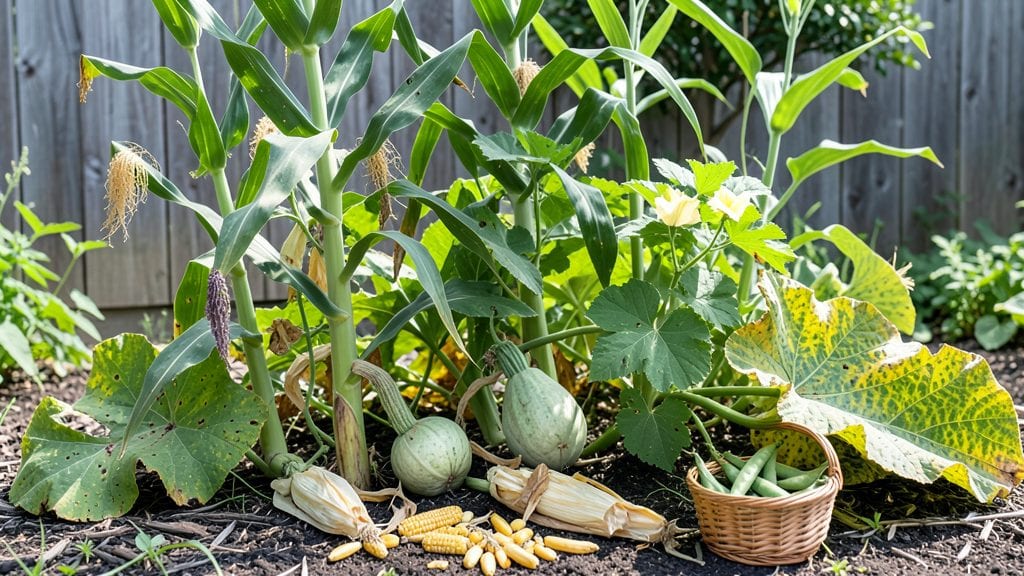
Native American gardening isn't just about growing plants—it's about weaving life into the land the way Indigenous communities have for centuries. 🌱 The legendary Three Sisters method—corn, beans, and squash—shows how plants support each other, just like families do.
This isn't just history; it's a living, breathing system that thrives today with minimal intervention and maximum yield.
The beauty of these gardens lies in their simplicity: no fancy tools, no chemical inputs, just deep respect for the earth. Corn provides structure, beans fix nitrogen in the soil, and squash shades the roots—nature's own permaculture.
You'll need a sunny spot, some compost, and a willingness to let the plants teach you their rhythms. Even in small spaces, this method delivers abundant harvests with less work than conventional gardens.
What you end up with is more than food—it's a garden that tells stories. The corn stalks towering over the beans, the squash vines sprawling protectively around the base, create a living tapestry that feeds both body and spirit.
Plus, you'll attract pollinators like crazy, because this system works with nature, not against it. The first harvest will taste like victory after victory.
This approach works in backyards, community plots, or even large-scale gardens—adapt the layout to your space while keeping the core principles intact. The key is patience and observation; these gardens reward those who listen to the land. Let's plant the seeds of this ancient wisdom in your modern garden.
📚 In This Guide
- What you need
- Instructions
- Tips and common mistakes
- Wrapping up and next steps
What you need
- ● Seeds: 1 lb flint corn (heirloom varieties like Black Aztec or Cherokee White Eagle)
- ● ½ lb pole beans (e.g., Lacinto or Scarlet Runner)
- ● ½ lb squash seeds (e.g., Winter Crookneck or Butternut)
- ● Soil: 5+ cubic yards of well-draining, nutrient-rich soil (mix compost or aged manure for fertility)
- ● Watering: Garden hose with adjustable nozzle or watering can (5+ gallons)
- ○ Drip irrigation kit (optional but recommended for efficiency)
- ● Support Structures: 4–6 bamboo stakes or wooden posts (6–8 ft tall)
- ● Twine or jute twine (50 ft roll)
- ● Basic Tools: Garden trowel
- ● Hand fork
- ● Pruners
- ● Gloves (heavy-duty for soil work)
- ● Natural Pest Control: Crushed eggshells (for deterring pests)
- ● Neem oil spray (diluted)
- ● Traditional Enhancements: Dried corn husks (for mulching or seed starting)
- ● Smoked cedar chips (to repel insects naturally)
- ● Comfort & Convenience: Knee pad or small stool
- ● Sun hat and sunscreen (for long gardening sessions!)
Step-by-step instructions for designing a Three Sisters garden
This ancient method creates a self-sustaining ecosystem where corn, beans, and squash thrive together.
🌱 Step 1: Choose Your Planting Location
Select a sunny spot with 6-8 hours of direct sunlight daily. Native American gardens often used raised beds or mounds to improve drainage and warmth. If your soil is heavy clay, consider building a 12-inch high mound using the existing soil—this warms faster in spring and prevents waterlogging.
I like to test the soil first by digging a 6-inch deep hole and checking for compaction. If it feels dense, mix in 2 inches of compost to improve structure. The Three Sisters system works best in well-draining soil where roots can spread freely without sitting in water.
🌿 Step 2: Plant the Corn as the Foundation
Start by planting 4-5 corn seeds in a small cluster—this mimics traditional planting methods where corn stalks provide vertical support. Space clusters 3 feet apart in all directions to allow room for beans to climb later. Plant seeds 1 inch deep and cover lightly with soil.
Here's the thing—corn needs warmth to germinate. Wait until soil temperatures reach 60°F or higher before planting. You'll see sprouts in 7-14 days, but if the ground stays cool, germination can take 3 weeks. Thin seedlings to the strongest 2-3 plants per cluster once they reach 6 inches tall.
💧 Step 3: Add Beans Between the Corn Stalks
Once corn reaches 6-8 inches tall, plant 4-5 bean seeds around each corn stalk, pressing them 1 inch deep into the soil. Beans fix nitrogen in the soil, which corn loves—this is the harmony part of the Three Sisters. Choose pole beans or bush beans that mature quickly (60 days) to avoid shading the corn.
Don’t water heavily after planting beans. You’ll know it’s right when the soil feels damp but not soggy. Beans need consistent moisture, but soggy soil invites root rot. I like to water at the base of the plants in the morning so leaves dry quickly.
☀️ Step 4: Plant Squash as the Living Mulch
After beans are 2-3 inches tall, plant squash seeds 1 inch deep around the outer edges of the corn-bean clusters, spacing them 3-4 feet apart. Squash leaves spread wide, shading the soil and suppressing weeds—this is the "mulch" part of the system. Choose bush varieties like summer squash or winter squash for easier maintenance.
Watch for squash vines to spread quickly. They’ll create a living canopy that keeps soil cool and retains moisture. If you notice leaves touching, thin the plants slightly to improve airflow and prevent disease. The goal is a dense but not crowded canopy.
✂️ Step 5: Maintain Through the Growing Season
Water deeply 1-2 times per week, aiming for 1 inch of water per week. The squash leaves help conserve moisture, but drought stress shows up as wilting or yellowing. Mulch with 2 inches of straw or dried leaves around the base of plants to retain soil moisture and regulate temperature.
Harvest beans first when pods are firm and 3-4 inches long. Corn is ready when tassels turn brown and silks dry out—test by peeling back a husk and checking kernel color. Squash is harvest-ready when rinds harden and seeds feel soft. This sequential harvesting keeps the garden balanced and productive.
Tips & tricks for perfect Three Sisters garden harmony
This ancient gardening method thrives on balance—here's how to maximize its natural synergy and avoid common pitfalls that disrupt the ecosystem.
Soil Preparation Secret: The 60°F soil temperature threshold is non-negotiable for corn germination, but don't stop there. I've found that adding a thin layer of wood ash (1 cup per 100 square feet) after planting corn raises soil pH slightly—corn prefers a neutral to slightly alkaline environment. This small adjustment helps prevent nitrogen deficiency later when beans start fixing nitrogen. The compost you mix in should be fully decomposed; fresh compost can burn tender roots and disrupt the microbial balance this system relies on.
Planting Timing Strategy: While the 6-8 hour sunlight requirement is clear, I've learned that planting corn in the late afternoon gives seeds an extra boost. The warm soil from daytime sun helps kickstart germination faster. For beans, I wait until the corn reaches 6-8 inches tall—this ensures the corn stalks are sturdy enough to support climbing beans without bending. The 60-day maturity window for beans is ideal because it prevents them from shading the corn too early in the season.
Watering Wisdom: The 1-2 times per week guideline works, but timing matters more than frequency. Water in the early morning—this allows foliage to dry completely by evening, reducing fungal diseases like powdery mildew that thrive in damp conditions. I've noticed that squash leaves act as natural mulch, but they still need 1 inch of water per week—if you see wilting, it's a sign to increase to 1.5 inches during hot spells. The key is consistent moisture, not soggy soil.
Harvesting Hack: Sequential harvesting is crucial—don't wait for everything to mature at once. I start with beans at 3-4 inches because they mature fastest. This prevents them from competing with corn for nutrients. For corn, I test by peeling back a husk and checking kernel color—it should be fully developed and firm. Squash is last because its broad leaves provide shade that helps conserve soil moisture for the other plants.
Pro Tips for Native American Gardening
- This ancient gardening method thrives on balance—here's how to maximize its natural synergy and avoid common pitfalls that disrupt the ecosystem.
- Soil Preparation Secret: The 60°F soil temperature threshold is non-negotiable for corn germination, but don't stop there.
- Planting Timing Strategy: While the 6-8 hour sunlight requirement is clear, I've learned that planting corn in the late afternoon gives seeds an extra boost.
Frequently asked questions
about Native American gardening—especially the iconic Three Sisters method—can help you troubleshoot and thrive. Here are some common queries with practical answers:What are the best plants for the Three Sisters method?
The classic trio includes corn (for structure), beans (for nitrogen), and squash (for shade and pest control). Many Native American gardens also incorporate sunflowers (for pollinators) or tobacco (for spiritual purposes). Choose heirloom varieties adapted to your climate!
When is the ideal time to plant the Three Sisters?
Timing depends on your region, but generally:
- Corn: Plant after the last frost when soil is at least 60°F.
- Beans: Sow 1–2 weeks after corn (they germinate faster).
- Squash: Start seeds indoors 4–6 weeks before the last frost or plant directly when soil warms to 70°F.
In cooler climates, extend the season with row covers or plant heat-loving varieties like butternut squash.
How do I keep pests away naturally in a Three Sisters garden?
Native American gardens rely on companion planting and biodiversity. For example:
- Plant marigolds near squash to repel beetles.
- Interplant nasturtiums to deter squash bugs.
- Encourage beneficial insects like ladybugs and lacewings.
If pests persist, use neem oil or homemade sprays (e.g., garlic-chili water).
Can I grow the Three Sisters in containers or small spaces?
Use large pots (12"+ diameter) or raised beds for compact growing. Try:
- Dwarf corn varieties (e.g., 'Little and Tender').
- Bush beans (like 'Blue Lake').
- Small squash (e.g., 'Eight Ball' zucchini).
Ensure pots have good drainage and support stakes for corn. Urban gardens often thrive with this method!
What if my corn doesn’t grow tall enough for beans to climb?
This happens if corn is overcrowded or nutrient-deficient. Try:
- Thinning seedlings to 10–12 inches apart.
- Adding compost or bone meal for phosphorus.
- Using trellises or stakes to support beans if corn is short.
If corn fails entirely, plant pole beans (like 'Scarlet Runner') near squash for a similar mutual benefit.
Wrapping up and next steps
Native American gardening isn’t just about growing food—it’s a celebration of tradition, sustainability, and community. By embracing the Three Sisters method, you’re honoring centuries of wisdom while creating a thriving, low-maintenance garden.
Whether you’re a beginner or a seasoned gardener, this approach offers resilience, beauty, and a deeper connection to the land.
Ready to plant the seeds of change? Start small—even a single patch of corn, beans, and squash can make a difference. Share your harvest, teach others, and keep the legacy alive! 🌱✨