
Tools
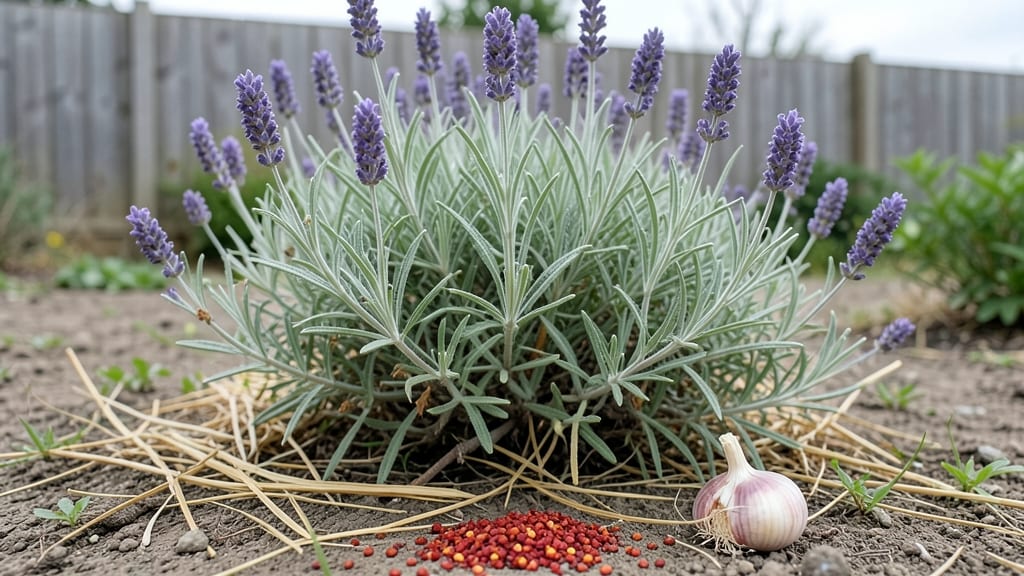
Natural garden repellents using plant-based ingredients like garlic, chili peppers, and citrus peels deter pests effectively without harsh chemicals. Mix ingredients with water or oil for sprays, and reapply every few days for best results.
These homemade solutions work because pests like aphids and rabbits can't stand the strong scents of garlic and citrus—those compounds confuse their senses and make your garden less appealing. 🌱 I've found that chili peppers, with their capsaicin, act like a natural irritant for soft-bodied insects, while citrus oils disrupt their pheromone trails.
The key is consistency: pests adapt quickly, so regular reapplication keeps them guessing.
For best results, I recommend blending ingredients into a fine paste before straining for sprays, as this maximizes potency. You can also crush fresh herbs like mint or basil into the mix—they add extra layers of protection against common garden nuisances.
💡 In This Article
- How Plant-Based Ingredients Repel Garden Pests
- DIY Natural Repellent Recipes for Common Garden Threats
How plant-based ingredients repel garden pests
Here's what's actually happening when you use garlic, chili peppers, or citrus in your garden: these plants contain natural compounds that disrupt pests' sensory systems and digestive processes. Garlic's sulfur compounds, like allicin, create a strong odor that confuses insects' ability to locate plants.
For example, aphids rely on scent trails to find food—garlic's pungent aroma masks these signals, forcing them to leave. 🌿 The sulfur compounds also interfere with their digestive enzymes, making plants taste unappealing or even toxic.
Capsaicin in chili peppers works differently—it acts as a natural irritant for soft-bodied insects like tomato hornworms. When sprayed on leaves, capsaicin binds to their sensory receptors, creating a burning sensation that deters feeding.
Studies show that even diluted chili sprays (made with 1 tablespoon of cayenne powder per quart of water) can reduce pest damage by up to 70%. The heat from capsaicin doesn't affect mammals, but it's devastating for insects that lack the enzymes to metabolize it.
Citrus peels and oils contain limonene and other terpenes that disrupt pests' pheromone communication. Deer, for instance, rely on scent marking to identify territories—citrus's sharp aroma overrides these signals, making your garden less inviting. The oils also create a slippery residue on leaves, which deters crawling insects like slugs.
For best results, blend 2 cups of citrus peels with 1 cup of water and simmer for 15 minutes to extract the maximum potency.
What most people don't realize is that these ingredients work synergistically. Combining garlic, chili, and citrus creates a multi-sensory assault that's far more effective than single-ingredient sprays. The sulfur in garlic enhances capsaicin's irritant effects, while citrus oils help bind the mixture to plant surfaces longer.
This is why homemade sprays often outperform commercial alternatives—nature's complexity beats synthetic simplicity every time. 💫
Effectiveness varies by pest type: garlic is best for aphids and whiteflies, chili works wonders on beetles, and citrus repels larger animals like rabbits. For deer, consider adding 1 cup of egg shells (crushed) to your citrus spray—the gritty texture deters browsing.
The key is reapplication: pests adapt to scents within 3-5 days, so rotate your ingredients to maintain their effectiveness.
Here's a pro tip: always strain your sprays to avoid clogging sprayers. For oil-based repellents (like citrus oil mixed with vegetable oil), use a ratio of 1:10 oil to water and add a drop of dish soap as an emulsifier.
These mixtures cling to leaves longer than water-based sprays, providing 2-3 weeks of protection with proper application. 🌱