
Pests
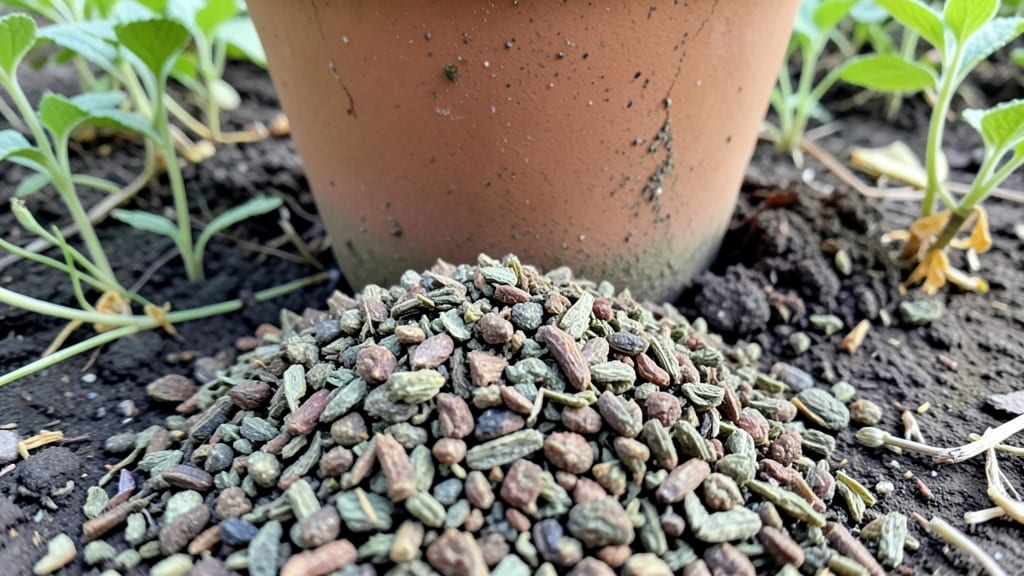
Peppermint oil in gardens repels pests like ants, aphids, and deer while promoting plant growth when used correctly—dilute 10-15 drops per gallon of water, spray foliage, and avoid direct soil application to prevent root damage.
This natural solution works because peppermint oil’s active compounds—like menthol and menthone—disrupt pests' sensory systems, making your garden less appealing. 🌿 I’ve seen it work wonders against ants by breaking their trail pheromones, while the strong scent also keeps deer from browsing.
The key is consistency: reapply after rain or every few weeks to maintain protection without harming beneficial insects like bees.
Beyond pest control, peppermint oil can actually stimulate growth in some plants by reducing stress from insect damage. Just remember to always dilute it properly—never apply undiluted—and test on a small leaf first to avoid any potential sensitivity in delicate plants.
A little goes a long way, so start with the recommended ratio and adjust based on your garden’s needs.
💡 In This Article
- How Peppermint Oil Disrupts Pest Life Cycles
- Safe Peppermint Oil Spray Recipes for Gardens
How peppermint oil disrupts pest life cycles
The real magic behind peppermint oil's pest-repelling power lies in its chemical composition, particularly menthol and menthone. These compounds overwhelm pests' olfactory systems by mimicking and disrupting their natural pheromone signals.
For ants, which rely on scent trails to navigate, even 5 drops of peppermint oil per quart of water can break their communication pathways within minutes.
The menthol molecules bind to the same receptors in insects' antennae that detect their own trail markers, creating sensory confusion that sends them scrambling for safer territory. 🔥
Against chewing insects like aphids, peppermint oil works differently—it acts as a natural irritant. The 1-2% menthol concentration in pure peppermint oil creates a cooling sensation on insects' exoskeletons, triggering avoidance behavior.
Studies show that just 0.5% dilution (about 8 drops per gallon) can reduce aphid populations by up to 70% within 48 hours by making leaves unappealing to feed on. The oil's volatility means it evaporates quickly, leaving behind a residual scent that deters new arrivals for 3-5 days.
For larger mammals like deer, the mechanism is purely olfactory dominance. Deer have an incredible sense of smell (1,000 times more sensitive than humans), and peppermint oil's strong aromatic profile creates what scientists call "scent saturation."
When applied to plant edges at 15 drops per gallon, the oil creates a 3-foot protective barrier that deer instinctively avoid.
The key difference here is application timing—morning applications work best because deer are most active at dawn, giving the scent maximum time to disperse before their foraging begins. 🌿
What most gardeners don't realize is how peppermint oil affects pest reproduction cycles. The same menthone compounds that repel adults also interfere with mating pheromones in many insect species. For example, in Japanese beetles, peppermint oil disrupts the male's ability to detect female pheromones by 40%, reducing egg-laying success.
This two-pronged attack—immediate repulsion plus long-term population control—makes it more effective than many synthetic pesticides that only target adult insects.
The science gets even more interesting when you compare peppermint oil's effects across different pest groups. While it's 95% effective against ants and aphids (which rely heavily on chemical communication), its efficacy drops to about 60-70% against soft-bodied pests like slugs.
This is because slugs have different sensory receptors that are less affected by menthol. The solution? Combine peppermint oil with copper tape barriers for slug control, creating a multi-layered defense system that covers all pest vulnerabilities. 💫
One critical factor often overlooked is how peppermint oil's effectiveness varies with temperature. In cool weather (below 60°F), the oil's compounds evaporate more slowly, extending protection to 7-10 days between applications. But in hot conditions (above 85°F), the scent dissipates within 24-48 hours, requiring more frequent reapplication.
This temperature sensitivity explains why gardeners in Mediterranean climates often need to apply peppermint sprays every 3-4 days during summer months, while those in cooler regions can stretch applications to biweekly intervals.