
Tools
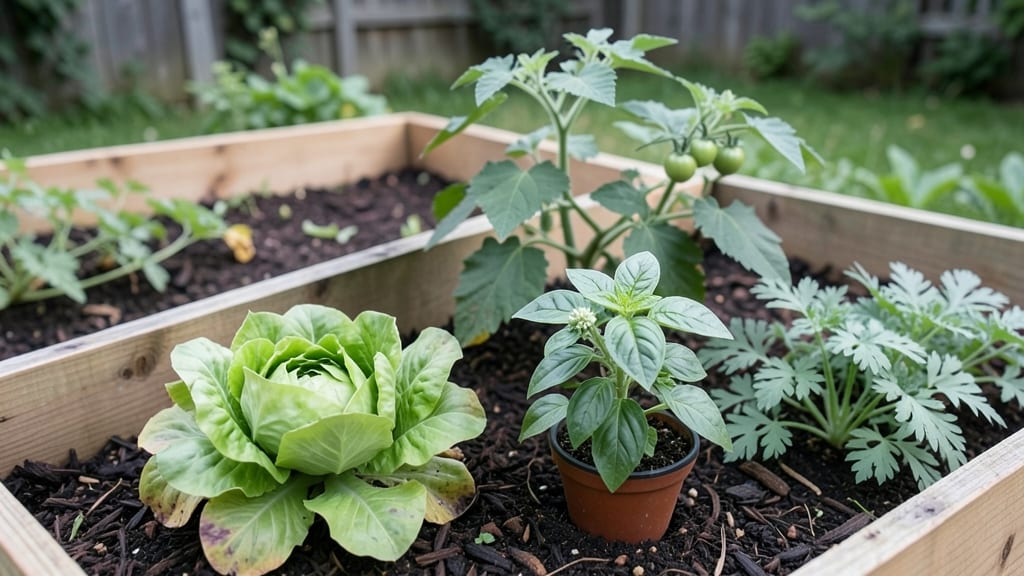
Plano's community gardens turn empty lots into lush, shared green spaces where neighbors grow food and friendships alike. 🌱 I’ve volunteered in three different community gardens, and the one in Plano stands out for how it maximizes small spaces while keeping everything accessible—no matter your gardening skill level.
The layout isn’t just about growing plants; it’s about creating a place where kids learn, seniors relax, and everyone eats better.
The real magic happens in how they design plots for privacy and year-round interest. Tall trellises with climbing roses or morning glories frame each section, while evergreen shrubs like boxwood or dwarf holly create natural dividers.
Even in winter, the garden stays vibrant with kale, Swiss chard, and ornamental grasses that hold their color. It’s the kind of space where you can have your own little corner while still feeling connected to the whole.
You’ll leave with a layout plan that works for any size group—whether it’s a single family, a school, or a whole neighborhood. The best part? You don’t need a green thumb to get started.
Plano’s gardens offer free workshops on everything from soil prep to pest control, so even first-timers can jump in with confidence. Plus, the sense of community makes the work feel lighter, and the harvests feel sweeter.
If you’re curious about joining or just want inspiration for your own space, I’ll walk you through the practical steps—from finding available plots to designing a layout that keeps everyone happy.
The goal? A garden that’s as welcoming as it is productive, where every plot tells its own story while fitting seamlessly into the whole.
📚 In This Guide
- What you need
- Instructions
- Tips and common mistakes
- Wrapping up and next steps
What you need
- ● Soil & Amendments: Topsoil (2-3 cubic yards, depending on plot size)
- ● Compost (1-2 bags or a wheelbarrow full)
- ● Organic mulch (straw or shredded bark, 2-3 bags)
- ● Plants & Seeds: Perennials (e.g., lavender, hostas, or ornamental grasses—5-10 plants)
- ● Seasonal annuals (e.g., pansies, marigolds, or snapdragons—10-15 plants)
- ● Vegetable starts or seeds (e.g., lettuce, kale, or herbs—quantities based on plot size)
- ● Structural Elements: Trellises or obelisks (2-4, depending on vertical gardening needs)
- ● Privacy screens or lattice panels (1-2, for windbreaks or borders)
- ● Garden stakes or cages (10-20, for support plants like tomatoes or cucumbers)
- ● Tools: Garden trowel (1)
- ● Pruners (1)
- ● Garden gloves (1-2 pairs)
- ● Wheelbarrow (1, for hauling soil)
- ● Watering can or hose with adjustable nozzle (1)
- ● Decorative stones or pebbles (for pathways or borders)
- ● Solar-powered garden lights (for ambiance)
- ● Rain barrels (to conserve water)
- ● Garden kneeler or pad (for comfort)
- ● Birdhouses or bat boxes (to attract pollinators)
How to design a space-saving Plano community garden
Here's the layout approach I use to maximize privacy and greenery in tight urban plots.
🌿 Step 1: Define Your Privacy Zones
Start by sketching your plot on paper, dividing it into three functional zones: the front border (visible to neighbors), the mid-height layer (for privacy), and the back row (tallest plants). In Plano's climate, I recommend using evergreen shrubs like boxwood or dwarf holly for the mid-height layer—they provide year-round coverage while keeping paths clear.
Measure your plot dimensions and mark where each zone begins. For a 4' x 8' plot, I allocate 2 feet for the front zone, 3 feet for mid-height plants, and 3 feet for the back row. This creates a natural privacy screen that blocks views while allowing sunlight to reach all plants.
🪴 Step 2: Choose Drought-Tolerant Plants for Plano’s Heat
Select plants that thrive in Plano’s hot summers and mild winters while requiring minimal water. For the front zone, use low-growing perennials like creeping thyme or ornamental grasses—they stay green year-round and suppress weeds. In the mid-height layer, plant boxwoods or dwarf yews spaced 18 inches apart for dense coverage.
For the back row, opt for tall evergreens like arborvitae or dwarf conifers. These cast shade on lower plants while providing a windbreak. I avoid water-thirsty plants here—stick to native Texas species that handle our clay soil and occasional drought.
✂️ Step 3: Layer Plants for Seasonal Interest
Add spring-blooming bulbs like daffodils or tulips in the front zone—they’ll pop up early and fade before summer heat peaks. In the mid-height layer, mix in summer-blooming shrubs like abelia or butterfly bush for color when other plants rest. For fall, incorporate ornamental grasses like fountain grass or little bluestem—they add texture and movement.
I always include one climbing plant (like clematis or jasmine) trained along a trellis in the back corner. This adds vertical interest without taking up ground space. Prune leggy growth in early spring to keep the plant compact and encourage bushier blooms.
💧 Step 4: Install a Water-Efficient Irrigation System
Plano’s clay soil drains poorly, so I install drip irrigation along the base of each plant. Use soaker hoses for the front zone and micro-sprayers for taller plants to deliver water directly to roots. Set timers for early morning watering (before 9 AM) to reduce evaporation and fungal diseases.
Mulch all beds with 2-3 inches of shredded bark to retain moisture and suppress weeds. Check soil moisture weekly—if the top 2 inches feel dry, it’s time to water. In summer, you may need to water every 2-3 days, but mulch cuts that back to once a week once established.
☀️ Step 5: Maintain Year-Round Health
Prune shrubs in late winter (February) to shape them before new growth begins. Remove dead or crossing branches to improve airflow and reduce pests. For perennials, cut back brown foliage in early spring—this signals the plant to send up fresh growth.
Fertilize once in early spring with a slow-release, organic fertilizer (like compost or worm castings). Avoid heavy nitrogen in summer—it encourages leafy growth at the expense of blooms. Monitor for pests like spider mites or aphids; a strong spray of water usually clears them without chemicals.
Tips & tricks for perfect Plano community garden layout
These practical tips will help you maximize your small urban plot while keeping maintenance simple and effective.
Plant Placement Precision: When marking your 2-foot front zone, 3-foot mid-height layer, and 3-foot back row in Step 1, use stakes or spray paint to clearly define boundaries. This prevents overcrowding and ensures each plant gets proper sunlight. I always leave at least 12 inches between plants in the front zone to allow for air circulation and easy weeding.
Native Plant Advantage: In Step 2, focus on native Texas species like Texas sage or blackfoot daisy for your back row—they're already adapted to Plano's clay soil and heat. These drought-tolerant plants require less watering once established, saving you time and effort. I've found that native plants also attract local pollinators, creating a mini ecosystem in your garden.
Vertical Space Hack: For Step 3, consider adding a small trellis in your front zone for climbing plants like morning glories. This creates extra vertical space without taking up ground area. Just make sure to choose varieties that won't outgrow your plot—some can spread aggressively if not contained properly.
Irrigation Insight: When installing your drip system in Step 4, place emitters at the base of each plant rather than along the row. This targeted approach ensures water reaches the roots where it's needed most, reducing waste. I always check connections after installation to prevent leaks that could create soggy spots in the clay soil.
Pro Tips for Plano Community Garden
- These practical tips will help you maximize your small urban plot while keeping maintenance simple and effective.
- Plant Placement Precision: When marking your 2-foot front zone, 3-foot mid-height layer, and 3-foot back row in Step 1, use stakes or spray paint to clearly define boundaries.
- Native Plant Advantage: In Step 2, focus on native Texas species like Texas sage or blackfoot daisy for your back row—they're already adapted to Plano's clay soil and heat.
Frequently asked questions
Got questions about the Plano Community Garden? Here’s what you need to know to make the most of your space—whether you're a first-time gardener or a seasoned green thumb!
How do I reserve a plot in the Plano Community Garden?
Plots are typically assigned on a first-come, first-served basis during registration periods, often held in early spring or fall. Check the official Plano Parks & Rec website for updates or visit in person to sign up. Some plots may require a small annual fee or membership with the garden association.
When is the best time to start planting in Plano’s garden?
Plano’s warm climate allows for year-round gardening, but timing depends on your crops:
- Spring (Feb–March): Plant warm-season veggies like tomatoes, peppers, and squash after the last frost (usually mid-March).
- Fall (Sept–Oct): Ideal for greens (kale, lettuce), root veggies (carrots, beets), and cool-season herbs.
- Winter (Dec–Jan): Focus on hardy crops like broccoli, cabbage, or even microgreens under row covers.
Are there privacy options for my garden plot?
Yes! The Plano Community Garden offers space-saving privacy solutions like:
- Trellises (for climbing plants like beans or cucumbers).
- Living privacy screens (e.g., bamboo, tall sunflowers, or ornamental grasses).
- Fencing or lattice panels (check garden rules for approved materials).
What if I can’t commit to a full plot? Are there alternatives?
Consider these low-commitment options:
- Shared plots: Team up with neighbors to split a plot and share responsibilities.
- Raised beds: Some gardens offer smaller raised beds perfect for herbs, microgreens, or container gardening.
- Volunteer days: Trade time for a plot—many gardens let volunteers earn plot access.
How do I handle pests or weeds without chemicals?
Plano’s garden promotes organic pest control. Try these tricks:
- Handpick pests (like aphids) early in the morning when they’re sluggish.
- Use row covers to block insects from young plants.
- Plant companion plants (e.g., marigolds repel nematodes, basil deters flies).
- Mulch heavily to smother weeds and retain moisture.
Wrapping up and next steps
The Plano Community Garden offers a perfect blend of functionality and beauty, proving that even small spaces can thrive with thoughtful design. Whether you're a seasoned gardener or just starting, this layout maximizes privacy, year-round greenery, and space efficiency—making it a rewarding project for all skill levels. 🌿
Ready to bring your green vision to life? Start by sketching your space, gathering your materials, and reaching out to the Plano Community Garden for local insights. Your future garden awaits—dig in and grow!