
Flowers
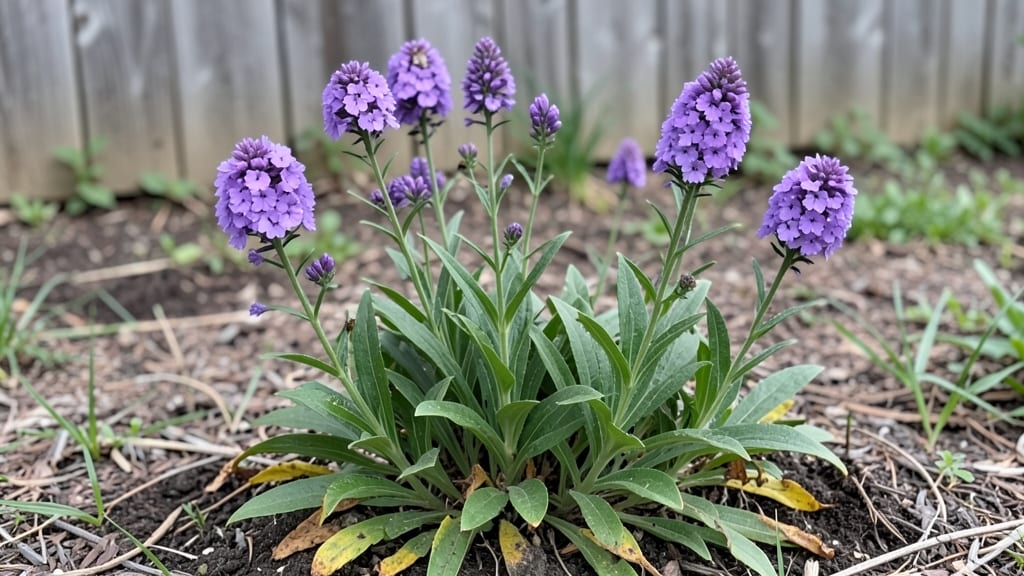
Growing purple garden phlox 🌸 that blooms all summer isn’t just about luck—it’s about timing, and the right technique makes the difference.
Struggling to keep your purple garden phlox blooming all season? The secret isn’t just water or sunlight—it’s mastering the art of deadheading at the perfect time and technique.
Most gardeners miss the critical window for trimming spent blooms, which means fewer flowers and more pests. But with just a few simple steps, you can turn a single clump into a nonstop display of color from July through August.
Here’s how to deadhead like a pro—when to cut, what to avoid, and the one trick that keeps your phlox thriving even in Zone 6a’s hottest months.
When and how to deadhead purple garden phlox for maximum blooms
Your purple garden phlox (Phlox paniculata) can produce stunning blooms from mid-summer to early fall, but only if you master the 3-phase deadheading method.
Skipping this step means fewer flowers and more energy wasted on seed production. The key? Timing, tools, and technique—all working together to keep your phlox thriving.
Deadheading at the wrong time can stress your plants or even invite powdery mildew. Early morning is ideal because the stems are stiff and hydrated, making them easier to cut cleanly.
Avoid deadheading in the late afternoon when humidity rises, as this increases disease risk. With the right approach, you’ll extend your phlox’s blooming season by 4-6 weeks!
3-Phase Deadheading Method for Purple Phlox
-
Phase 1: Identify Spent Blooms
Look for wilted petals or buds that have opened but lost color. Use your fingers to gently squeeze the stem—if it feels soft or hollow, it’s ready for removal.
-
Phase 2: Cut at the Right Spot
Use clean, sharp pruners or your thumb to pinch just above the first set of healthy leaves (about 1/4 inch above). Avoid cutting into woody stems—this can harm the plant.
-
Phase 3: Dispose Properly
Toss spent blooms in the trash, not compost, to prevent disease spread. If you’re using the flowers for arrangements, place them in water immediately to preserve their beauty.
Your tools matter—dull scissors or fingernails can crush stems and invite rot. Invest in a pair of bypass pruners (like Felco’s) for clean cuts. For large patches, a deadheading saw (with curved blades) saves time and effort. Always sterilize tools with rubbing alcohol between plants to prevent disease transfer.
Never deadhead more than 1/3 of the plant at once. Purple phlox stores energy in its roots and lower stems, so aggressive pruning can weaken the plant.
Focus on spent blooms only—leave healthy buds and foliage intact. This balance ensures your phlox stays vigorous and disease-free all season.
If your phlox starts showing signs of powdery mildew (white, powdery patches on leaves), stop deadheading and treat with neem oil or sulfur spray. This fungal issue thrives in humid, crowded conditions, so improve airflow by thinning out stems and avoiding overhead watering.
For late-season phlox (August onward), reduce deadheading frequency. Let some blooms go to seed—they’ll provide winter interest and attract pollinators. Save the most vibrant stems for cutting and enjoy their beauty indoors while your garden winds down.
In USDA Zones 3-8, your phlox will go dormant in winter. After the first hard frost, cut back stems to 6 inches tall and mulch heavily. This protects roots and ensures a stronger rebloom next spring. Skip deadheading in winter—your plant is resting!
Test your deadheading skills with this quick checklist: ☑ Cut in the morning (never afternoon) ☑ Use clean tools (sterilized between plants) ☑ Remove only spent blooms (leave healthy buds) ☑ Dispose of clippings in the trash (not compost) ☑ Mulch after deadheading to retain moisture
With these techniques, your purple garden phlox will reward you with nonstop blooms from July through September. The secret? Stay consistent, keep tools sharp, and never skip the 3-phase method. Happy pruning—your garden will thank you! 🌸✂️🌿
Common deadheading mistakes that kill purple phlox blooms (and how to fix them)
Your purple garden phlox may look stunning at first glance, but if you're not deadheading correctly, those vibrant blooms can quickly fade. The biggest mistake? Acting too late or too aggressively. Phlox is sensitive—over-prune, and you’ll stunt its growth; skip it, and you’ll miss out on nonstop summer color.
Let’s fix these common errors before your plants throw in the towel.
Deadheading isn’t just about snipping spent flowers—it’s about encouraging new growth while preventing disease. Many gardeners accidentally cut too low, damage buds, or deadhead at the wrong time. Even a single wrong cut can weaken your phlox for the rest of the season.
The key? Precision and timing. Let’s dive into the 5 fatal mistakes and how to reverse them.
⚠️⚠️ Warning: Over-Pruning Kills Phlox!
Cutting more than 1/3 of the stem when deadheading stops new blooms in their tracks. Phlox stores energy in its lower stems—trim too much, and you’re essentially starving your plant of the resources it needs to rebloom. Always leave at least 3-4 healthy leaves below the spent bloom.
Mistake #1: Cutting too close to the base. This is the fastest way to kill future blooms. Phlox grows from buds along the stem, so aggressive cuts remove potential flowers.
Instead, snip just above the first set of leaves below the faded bloom. Use clean, sharp bypass pruners to avoid crushing stems.
Mistake #2: Deadheading at the wrong time. Early morning is ideal—cool temps prevent stress and humidity is low, reducing disease risk. Avoid deadheading in hot afternoon sun or after rain, which can leave cuts vulnerable to fungal infections.
Pro tip: Wear gloves to avoid spreading bacteria between plants.
Mistake #3: Ignoring spent stems entirely. Leaving faded blooms on the plant wastes energy that could fuel new flowers. These stems also self-seed aggressively, leading to overcrowding and weaker blooms.
Set aside 10 minutes weekly to remove all faded flowers—your phlox will thank you with longer, fuller blooms.
Mistake #4: Using dull or dirty tools. Crushed stems from dull pruners invite disease, while dirty blades spread bacterial wilt. Always sterilize tools with rubbing alcohol between plants. A sharp cut heals faster and looks cleaner, keeping your phlox healthy and vibrant.
Mistake #5: Deadheading after frost. Once fall frost hits, stop deadheading entirely. Phlox needs to focus on root growth for next year’s blooms. Cutting back too late stimulates tender new growth that won’t survive winter.
Instead, lightly trim any remaining stems to 3-4 inches and mulch heavily to protect roots.