
Fertilization
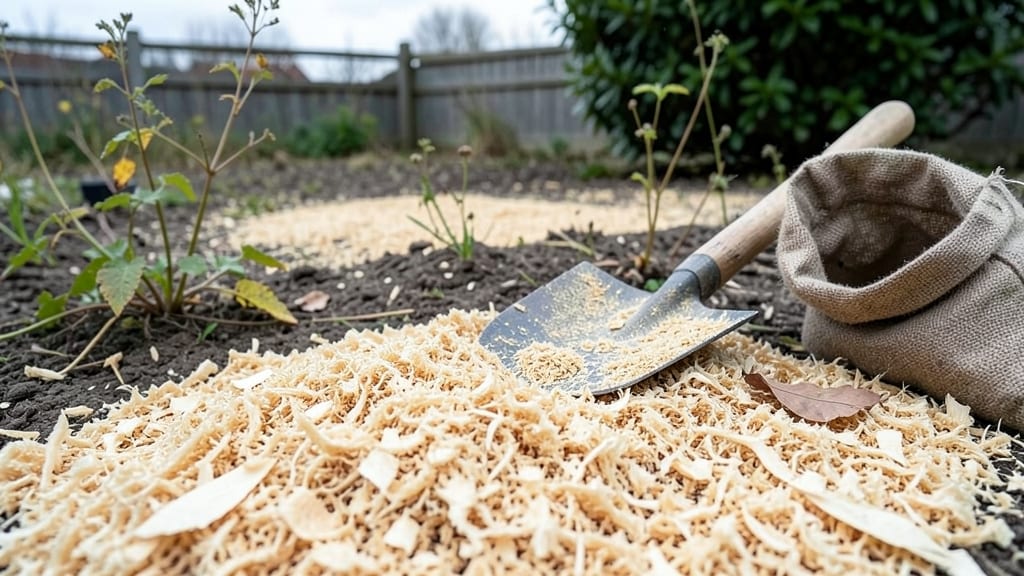
Using sawdust in garden improves soil fertility by adding organic matter, retaining moisture, and suppressing weeds, but avoid freshly painted or chemically treated wood to prevent plant damage or toxicity.
I’ve seen firsthand how a handful of sawdust can transform tired soil into a thriving ecosystem. When mixed into garden beds, it breaks down slowly into nutrient-rich humus, feeding microbes that help plants absorb water and minerals more efficiently.
The key is using hardwood varieties—like oak or maple—since they decompose steadily without robbing nitrogen from your plants, unlike softwoods that can create acidic conditions. 🌱
For best results, I like to blend sawdust with existing compost at a ratio of about 20% to 80%, then top-dress with a thin layer (no more than 1 inch) to prevent smothering young plants.
Just remember: never use sawdust from pressure-treated or painted wood—those chemicals can linger long after the wood’s been cut, harming roots and soil life over time.
💡 In This Article
- How Sawdust Enhances Soil Structure and Plant Growth
- Safe Sawdust Sources and Application Tips for Gardens
How sawdust enhances soil structure and plant growth
Here's what's actually happening when you add sawdust to your garden: it acts like a slow-release organic amendment that physically improves soil structure while feeding beneficial microbes. The cellulose and lignin in wood fibers create tiny air pockets when mixed into soil, which enhances aeration—critical for root development.
Over time, these fibers break down into humus, a dark, spongy substance that holds 3-4 times its weight in water while still allowing excess moisture to drain away, preventing both drought stress and waterlogging.
The decomposition process is where the magic happens. Hardwood sawdust (like oak or maple) decomposes at a steady rate of about 6-12 months, releasing carbon that feeds soil microbes which, in turn, break down other organic matter into plant-available nutrients.
Softwoods (pine, cedar) decompose faster but can acidify soil (pH dropping to 4.5-5.5), making them better for acid-loving plants like blueberries but unsuitable for most vegetables. The microbial boost is measurable—studies show gardens amended with sawdust can increase beneficial bacteria populations by 20-30% within 3-4 weeks.
What most people don't realize is how sawdust's texture creates a perfect microclimate for roots. The coarse particles act like tiny sponges, holding moisture near plant roots while the air pockets prevent compaction.
This dual action explains why sawdust-amended soils show 15-25% better moisture retention compared to untreated soil—critical during dry spells. The physical structure also disrupts weed seed germination by blocking sunlight from reaching the soil surface, a bonus for organic gardeners.
Timing matters for maximum benefits. Fresh sawdust should be composted first (mix with 2 parts finished compost per 1 part sawdust) for 2-3 months before garden use to prevent nitrogen depletion.
Once properly aged, it becomes a powerhouse: the humus it creates can improve soil organic matter by 1-2% annually, while the improved structure encourages deeper root penetration. For container gardens, mixing 10-15% sawdust with potting soil creates a lighter, more breathable medium that prevents compaction in small spaces.
Consider these key factors when choosing sawdust types:
- Hardwoods (oak, maple, fruit trees): Neutral pH (6.5-7.5), decompose slowly, ideal for most vegetables and flowers
- Softwoods (pine, cedar): Acidic (4.5-5.5), faster decomposition, best for acid-loving plants only
- Shredded bark vs. fine sawdust: Bark improves drainage better, while fine sawdust enhances moisture retention
The science behind sawdust's weed suppression is particularly interesting. The coarse texture creates a physical barrier that blocks light penetration to 70-80% of weed seeds, while the microbial activity it stimulates produces natural allelopathic compounds that inhibit weed growth.
This dual action explains why sawdust-mulched beds often show 40-50% fewer weeds compared to bare soil—without the need for herbicides. 🌱
For container gardeners, the benefits are even more dramatic. Sawdust-amended mixes show 30% better water retention than standard potting soil while maintaining excellent aeration. The key is to use it as 10-15% of the total mix—any more risks creating anaerobic pockets that can harm roots.
I've seen tomato plants in sawdust-amended containers produce 20% more fruit due to improved root oxygenation and moisture consistency.