
Landscaping
A secret garden area 🌿 transforms your backyard into a private escape—where every path feels like a discovery and the air hums with the scent of blooms.
Imagine stepping into a lush, secluded oasis—just steps from your home—where the hustle of daily life vanishes into fragrant blooms and whispering foliage. This isn’t just a corner of your yard; it’s a curated retreat designed to soothe your mind and spark your creativity.
Creating one doesn’t require a sprawling property or a green thumb. With the right plants, a few strategic hardscaping tricks, and a touch of intentional design, you can craft a space that feels like a hidden world.
Whether you’re dreaming of a cozy reading nook or a vibrant flower-filled sanctuary, the key lies in blending privacy with purpose.
In this guide, I’ll walk you through layout ideas, plant pairings that thrive in partial shade, and DIY techniques to maximize both beauty and functionality—so you can start building your own little paradise this spring.
How to design a hidden garden area for maximum privacy
A secret garden area thrives on strategic design—layering natural barriers, structural elements, and thoughtful plant selection to block prying eyes and outside noise. Start by assessing your space: A north-facing corner offers cooler shade, while a south-facing nook can support sun-loving climbers.
The key is balancing height, density, and texture to create an impenetrable yet inviting retreat.
Begin with a foundation layer of evergreen shrubs like boxwood or holly, which provide year-round privacy. Pair these with fast-growing climbers such as clematis or wisteria to train along trellises or arbors.
For instant impact, bamboo fencing or lattice panels can act as temporary or permanent screens, depending on your timeline and budget.
For windbreaks and noise reduction, incorporate tall grasses like miscanthus or switchgrass along the perimeter. These textural plants soften harsh lines while adding movement and sound absorption. Pair them with dense shrubs such as privet or laurel to create a multi-layered defense against outside disturbances.
Structural elements like arbors or pergolas not only add height but also serve as focal points for climbing plants. Place them strategically to frame views of your garden while guiding the eye inward.
For a whimsical touch, add a curved trellis or twisting vine to create a secret garden entrance that feels like stepping into another world.
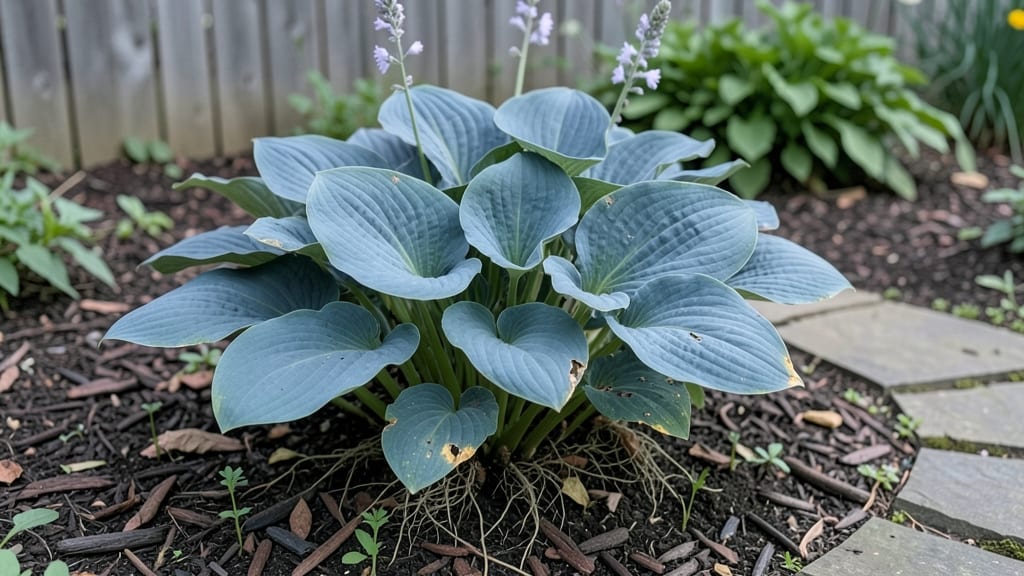
Balance sun and shade by mixing sun-loving plants like roses or lavender with shade-tolerant varieties such as hostas or heucheras. This ensures your hidden retreat remains vibrant year-round, even as sunlight shifts with the seasons.
A dappled light effect from overhead trees or sheer fabric screens can further enhance the mystical ambiance of your space.
Don’t overlook the ground layer—low-growing perennials like ajuga or sedge fill gaps while suppressing weeds. Add mulch to retain moisture and stone pathways to define boundaries without sacrificing privacy. These details transform a simple garden into a cohesive, immersive sanctuary.
Test your design’s effectiveness by walking through it at different times of day. Adjust plant placements to ensure no gaps reveal the outside world. A well-designed secret garden area should feel like a private escape, where every step deeper feels like uncovering a new layer of tranquility.
For extra serenity, incorporate water features—even a small bubbling fountain or pond—to mask noise and attract birds. The sound of water amplifies the sense of seclusion, making your retreat feel even more remote from the outside world. 🌿🪴
Best plants for a secret garden area: fragrance, texture, and year-round interest
A secret garden thrives on layered textures and sensory delights. The right plants create a lush, ever-changing tapestry that feels like escaping to another world. Start with fragrant climbers like jasmine and roses to fill the air with intoxicating scents.
Add evergreen shrubs like boxwood and holly for year-round structure, then weave in low-maintenance ground covers like hostas and ferns to soften the space.
Regional adaptability is key—some plants, like wisteria or clematis, thrive in warmer climates, while dwarf conifers or heather suit cooler zones. Mix sun-loving perennials with shade-tolerant varieties to ensure every corner feels intentional. The goal? A garden that feels alive in every season, whether through blooms, foliage, or texture.
-
Climbing Vines
Fragrant & Vertical Drama- 🌿 Clematis – Blooms spring to fall; pair with roses
- 🌿 Wisteria – Sweet purple cascades; needs strong trellis
- 🌿 Honeysuckle – Honey-scented; attracts hummingbirds
-
Evergreen Shrubs
Structure & Year-Round Greenery- 🌳 Boxwood – Dwarf varieties for hedges; prune annually
- 🌳 Holly – Spiky leaves + red berries; deer-resistant
- 🌳 Dwarf Yew – Slow-growing; thrives in shade
-
Fragrant Flowers
Scent & Color Pop- 🌹 Roses – Classic climbers; deadhead for repeat blooms
- 🌹 Jasmine – Night-blooming; train on trellis
- 🌹 Lavender – Drought-tolerant; calming fragrance
-
Ground Covers
Low-Maintenance & Soft Texture- 🌿 Hostas – Shade lovers; variegated foliage
- 🌿 Ferns – Lacy fronds; thrives in moisture
- 🌿 Creeping Thyme – Drought-resistant; fragrant when walked on
For regional adaptability, group plants by sunlight needs. In Zone 5-7, opt for hardy perennials like peonies or coneflowers alongside evergreens. In Zone 8-10, lean into tropical touches like bird-of-paradise or orchids. Always check USDA hardiness zones to avoid winter casualties.
Layering is everything—place tall climbers along fences or arbors, medium shrubs as mid-level accents, and ground covers to tie everything together. Add ornamental grasses like fountain grass for movement, and seasonal bulbs like daffodils or crocuses for early color. This approach ensures your secret garden feels magical year-round.
Don’t forget scented foliage like lemon thyme or mint—they add aroma without needing flowers. Pair them with moisture-loving plants near water features or along shaded paths. The result? A multi-sensory retreat where every visit feels like a new discovery.
Start small with 3-5 key plants, then expand as you learn what thrives in your microclimate. With the right mix, your secret garden will become a living sanctuary—just waiting for you to step inside. 🌿