
Vegetables
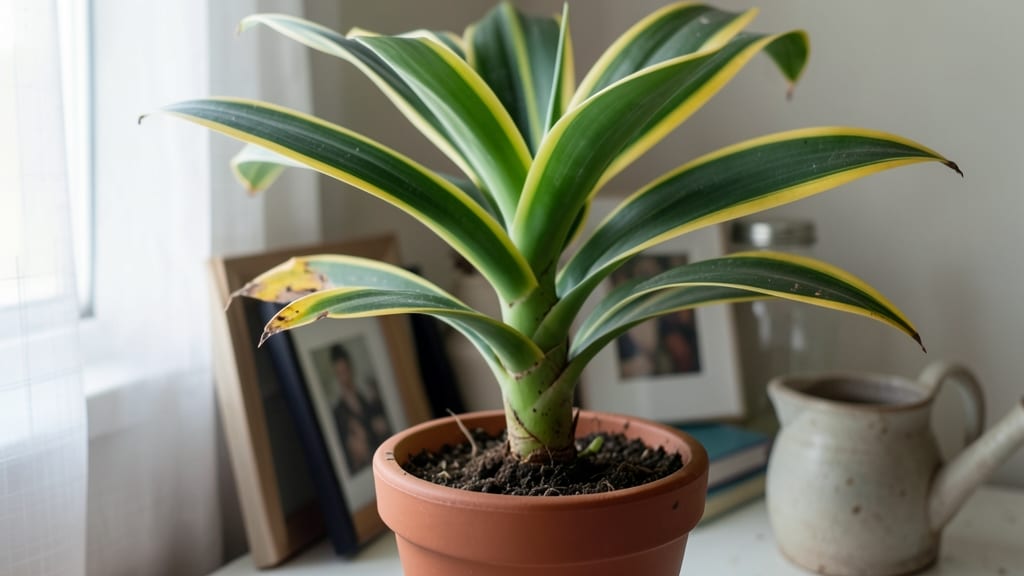
Singapore’s airport gardens prove lush greenery and edible landscapes belong in transit hubs—just look at Changi Jewel’s Canopy Park, where tropical plants thrive under glass while feeding hungry travelers. 🌿 The secret isn’t just climate control; it’s layering shade-tolerant greens, vertical growing systems, and water features that double as irrigation.
My first visit left me convinced these principles work anywhere with sunlight and ambition.
The design centers on three core strategies: stacking plants vertically to save space, using drought-resistant tropicals that handle humidity, and integrating edible elements like leafy greens and herbs without sacrificing beauty.
You’ll need containers, trellises, and a watering system that mimics natural rainfall—no high-tech equipment required. Even small patios can replicate this approach with the right plant choices.
What you end up with is a garden that produces year-round greens while doubling as a living art piece. Imagine snipping fresh basil for a meal while admiring the cascading ferns and vibrant blooms—all under 100 square feet.
The best part? These spaces attract pollinators and reduce urban heat, making them smarter than traditional landscaping.
Perfect for urban balconies, rooftops, or even indoor atriums where sunlight is limited. The techniques adapt easily to different climates—just swap species for your region’s hardiest tropical plants. Let’s break down how to start small and scale up without losing that signature airport-garden magic.
📚 In This Guide
- What you need
- Instructions
- Tips and common mistakes
- Wrapping up and next steps
What you need
- ● Soil Mix: 1 part coconut coir or peat moss (for moisture retention)
- ● 1 part perlite or vermiculite (for aeration)
- ● 1 part compost or well-aged manure (for nutrients)
- ● Edible Plants (Singapore Airport-Inspired): 5–10 Curcuma alismatifolia (Thai ginger, ornamental + edible)
- ● 3–5 Alocasia spp. (elephant ear, tropical foliage)
- ● 1–2 Piper sarmentosum (wild betel vine, edible leaves)
- ● 1 Musa acuminata (dwarf banana, compact variety)
- ● Herbs: 3 Ocimum basilicum (basil) + 3 Coriandrum sativum (cilantro)
- ● Containers or Beds: 2–3 large ceramic or fabric pots (18–24" diameter) or
- ● 1 raised bed (4'x8' minimum, 12" deep)
- ● Required: Hand trowel + pruning shears
- ● Garden gloves (nitrile for chemical-free safety)
- ● Watering can or drip irrigation kit
- ● pH test kit (aim for 5.5–6.5 for tropicals)
- ○ Optional (but helpful!): Mulch (orchid bark or shredded leaves)
- ● Slow-release fertilizer (e.g., Osmocote)
- ● Trellis or bamboo stakes (for climbing plants)
- ● Shade cloth (30–50% coverage for high-light areas)
- ● ☀️ Light: 6+ hours of bright, indirect sunlight (mimic Singapore’s humid climate).
- ● 💧 Water: Daily misting or 1–2" of water 2–3x/week (tropical plants love humidity!).
- ● 🌡️ Temperature: Ideal 75–85°F (24–29°C); protect from frost.
- ● 📝 Location: Near a water source (for easy maintenance) and with airflow (to prevent fungal issues).
Step-by-Step guide to designing a year-round tropical edible landscape
Inspired by Singapore’s iconic airport gardens, this approach transforms any space into a lush, productive edible landscape.
🌱 Step 1: Select Climate-Adapted, High-Yield Plant Varieties
Singapore’s gardens thrive on fast-growing, heat-tolerant plants that produce year-round. Choose dwarf fruit trees like citrus or avocado for structure, herbs like lemongrass and Thai basil for quick turnover, and leafy greens such as kale and amaranth that tolerate humidity. I always prioritize edible perennials—they reduce replanting labor and provide continuous harvests.
For shade-loving greens, opt for Chinese broccoli or water spinach, which flourish under partial sun (3-4 hours daily). If your space gets full sun, morning glory greens or okra handle the heat better than traditional lettuce. Test soil pH first—most tropical edibles prefer 6.0-6.8, and you can adjust with lime or sulfur if needed.
🪴 Step 2: Layer Plants for Maximum Space Efficiency
Use three vertical layers to mimic Singapore’s dense, layered gardens: canopy (tall plants), understory (mid-height), and ground cover. Start with dwarf fruit trees or banana plants (6-8 feet tall) as your canopy layer, spaced 8-10 feet apart. These provide shade and structure while producing fruit.
Underneath, plant herbs like mint or chives (1-2 feet tall) in 6-inch pots along pathways or in raised beds. For ground cover, use creeping thyme or Vietnamese coriander—they suppress weeds while adding flavor. I always mulch heavily with 3 inches of coconut coir to retain moisture and regulate soil temperature, which is critical in tropical climates.
☀️ Step 3: Optimize Irrigation for Humid Conditions
Singapore’s gardens rely on drip irrigation systems to deliver water slowly at the base of plants, preventing fungal diseases common in humidity. Install 1/4-inch tubing with emitters spaced 12-18 inches apart, adjusted for each plant’s needs. Run lines early morning (5-7 AM) to minimize evaporation and reduce fungal risks.
For container plants, use self-watering pots filled with moisture-retentive mix (50% potting soil, 30% perlite, 20% compost). Check soil moisture daily during the first week—it should feel damp but not soggy. Overwatering in tropical climates leads to root rot faster than drought stress, so I always err on the dry side once established.
✂️ Step 4: Prune and Harvest Strategically for Continuous Yield
Regular pruning keeps plants compact and productive. For herbs like lemongrass, cut back stems at the base when they reach 12-18 inches tall—this encourages bushier growth. With leafy greens, harvest outer leaves first, leaving the inner growth point intact. I harvest every 2-3 weeks for continuous production, never taking more than 1/3 of the plant at once.
For fruit trees, prune after harvest season to remove dead wood and open the canopy for better airflow. Use sterilized pruners to prevent disease spread, and seal cuts with pruning paste on larger branches. This mimics Singapore’s meticulous maintenance, where every plant looks intentional and thriving.
🌿 Step 5: Integrate Pollinators and Pest Control Naturally
Singapore’s gardens thrive because they support pollinators. Plant native flowers like frangipani or bougainvillea near edibles to attract bees and butterflies. I also interplant basil or marigolds—their strong scents repel pests naturally. Avoid chemical sprays; instead, spray neem oil (1 tbsp per gallon of water) weekly as a preventative.
For soil health, top-dress with 1 inch of compost every 2 months to replenish nutrients. Monitor for aphids or mealybugs—wipe them off with soapy water immediately. A healthy garden in tropical climates is 90% about soil and water, so I never skip these steps. The result? Vibrant, pest-resistant plants that produce year-round.
Tips & tricks for perfect tropical edible landscaping
A few key strategies inspired by Singapore’s iconic airport gardens will help you create a thriving, year-round edible landscape that’s both beautiful and productive.
Plant Selection Strategy: In Step 1, when choosing your fast-growing, heat-tolerant plants, prioritize varieties that have proven success in your specific microclimate. For example, if you're in a region with intense afternoon sun, focus on morning glory greens or okra rather than traditional lettuce. I've found that these tropical varieties not only survive but thrive in conditions that would stress temperate plants. The key is to test soil pH first—most tropical edibles prefer 6.0-6.8, and you can adjust with lime or sulfur if needed. This simple test can save you from struggling plants later.
Layering Technique: The three-layer approach in Step 2 is where Singapore's gardens truly shine. When creating your canopy layer with dwarf fruit trees or banana plants, space them 8-10 feet apart to allow for proper airflow and sunlight penetration to lower layers. I've seen many gardeners make the mistake of crowding these taller plants, which leads to fungal issues and reduced yields. For understory plants like mint or chives, use 6-inch pots along pathways—they'll spill over beautifully while keeping weeds at bay. The ground cover layer is often overlooked, but creeping thyme or Vietnamese coriander will completely transform your space by suppressing weeds and adding flavor.
Irrigation Insight: The drip irrigation system in Step 3 is non-negotiable for tropical climates. When installing your 1/4-inch tubing with emitters spaced 12-18 inches apart, position them at the base of plants to prevent fungal diseases that thrive in humidity. Run your system early morning (5-7 AM)—this timing minimizes evaporation and gives plants time to dry slightly before nighttime humidity sets in. For container plants, that moisture-retentive mix (50% potting soil, 30% perlite, 20% compost) is crucial. I've learned the hard way that overwatering in tropical climates leads to root rot faster than drought stress, so always check soil moisture daily during the first week—it should feel damp but not soggy.
Pruning Precision: In Step 4, when pruning your lemongrass or leafy greens, timing and technique make all the difference. For herbs like lemongrass, cut back stems at the base when they reach 12-18 inches tall—this encourages bushier growth and prevents the plant from becoming leggy. With leafy greens, always harvest outer leaves first, leaving the inner growth point intact. I harvest every 2-3 weeks for continuous production, but never take more than 1/3 of the plant at once. This balanced approach ensures your plants keep producing without becoming stressed.
Pro Tips for Singapore Airport Gardens
- A few key strategies inspired by Singapore’s iconic airport gardens will help you create a thriving, year-round edible landscape that’s both beautiful and productive.
- Plant Selection Strategy: In Step 1, when choosing your fast-growing, heat-tolerant plants, prioritize varieties that have proven success in your specific microclimate.
- Layering Technique: The three-layer approach in Step 2 is where Singapore's gardens truly shine.
Frequently asked questions
Got questions about creating your own Singapore Airport Gardens-inspired edible landscape?
Here are answers to the most common queries to help you get started with confidence!
What plants are easiest to grow in a tropical edible landscape like Singapore Airport Gardens?
The gardens feature hardy, fast-growing tropical greens like kangkung (water spinach), bayam (Malaysian spinach), and chye sim (herbaceous plants). For beginners, start with low-maintenance options like lettuce, bok choy, or Thai basil—they thrive in Singapore’s climate and require minimal fuss. Pair them with edible flowers like nasturtiums for extra flavor and beauty!
How often should I water my edible garden in Singapore’s humid climate?
Singapore’s humidity means watering every 2–3 days is ideal, but check soil moisture first—overwatering can harm roots. Use drip irrigation or soaker hoses to keep leaves dry and prevent fungal diseases. Early mornings are best to reduce evaporation. Pro tip: Mulch with coconut coir or straw to retain moisture and regulate temperature!
Can I use the same soil mix as Singapore Airport Gardens for my home garden?
The gardens use a well-draining, nutrient-rich mix of local topsoil, compost, and sand (ratio: 60% soil, 30% compost, 10% sand). For home gardens, avoid heavy clay soil—amend it with organic matter like vermicast or leaf mold. Test soil pH (aim for 6.0–7.0) and adjust with lime or sulfur if needed.
What’s the best way to deter pests naturally in a tropical edible garden?
Singapore’s pests (like aphids or snails) can be managed without chemicals! Try these tricks:
- Neem oil spray (deters insects naturally).
- Copper tape around pots to block snails.
- Companion planting—e.g., marigolds repel nematodes.
- Handpick pests early (wear gloves for fun!).
How long until I can harvest greens like those in Singapore Airport Gardens?
Fast-growing greens like kangkung or bok choy can be harvested in 3–4 weeks, while leafy herbs (e.g., Thai basil) take 4–6 weeks. For continuous harvests, sow seeds every 2 weeks—this mimics the gardens’ year-round greenery! Start with small batches to test what thrives in your space.
Wrapping up and next steps
Transforming Singapore’s bustling airport into a lush, edible garden proves that sustainability and beauty can grow side by side—even in the tropics! 🌿 With the right mix of year-round greens, native plants, and smart irrigation, you can create your own mini tropical oasis at home or in your community.
Whether you’re a seasoned gardener or a curious beginner, this recipe shows that edible landscaping is accessible, rewarding, and full of potential.
Ready to plant your vision? Start small—pick one corner of your space, gather your materials, and let nature do the rest. Before you know it, you’ll be harvesting fresh greens while enjoying the serene vibes of a Singaporean garden. What will you grow first? 🌱