
Flowers
A small pollinator garden 🐝 can transform even a postage-stamp patio into a buzzing paradise for bees, butterflies, and hummingbirds.
Even the tiniest yard or balcony can become a thriving hub for pollinators—no sprawling acres required. With the right space-saving plants and clever design tricks, you can create a garden that hums with life year-round, whether you're in an urban apartment or a cozy suburban plot.
This isn't just about pretty flowers—it's about supporting the ecosystem right outside your door. A well-planned small pollinator garden attracts beneficial insects that boost your garden's productivity while adding beauty and tranquility to your space.
Below, I’ll show you how to choose the best plants, design for maximum impact, and keep your garden thriving with minimal effort—so you can enjoy the sights, sounds, and rewards of a pollinator-friendly oasis.
Top 15 space-saving pollinator plants for small gardens
A small pollinator garden doesn’t need to be large to make a big difference. By selecting compact pollinator plants, you can create a thriving ecosystem that supports bees, butterflies, and hummingbirds while fitting into tight spaces.
The key is choosing native species and varieties that thrive in containers or small beds. These plants offer continuous blooms, ensuring pollinators have food from early spring to late fall.
I’ve curated a list of 15 space-saving pollinator plants that deliver maximum impact with minimal footprint. Whether you’re working with window boxes, hanging baskets, or narrow garden beds, these plants will attract pollinators while keeping your garden tidy and manageable.
Many are perennial, so they’ll return year after year with little effort.
Below, you’ll find a summary table of the top picks, organized by height, sunlight needs, and bloom season. This makes it easy to plan your garden layout and ensure a steady supply of nectar and pollen for visiting pollinators.
| Plant Name | Type | Height (ft) | Sunlight | Bloom Season | Pollinators Attracted |
|---|---|---|---|---|---|
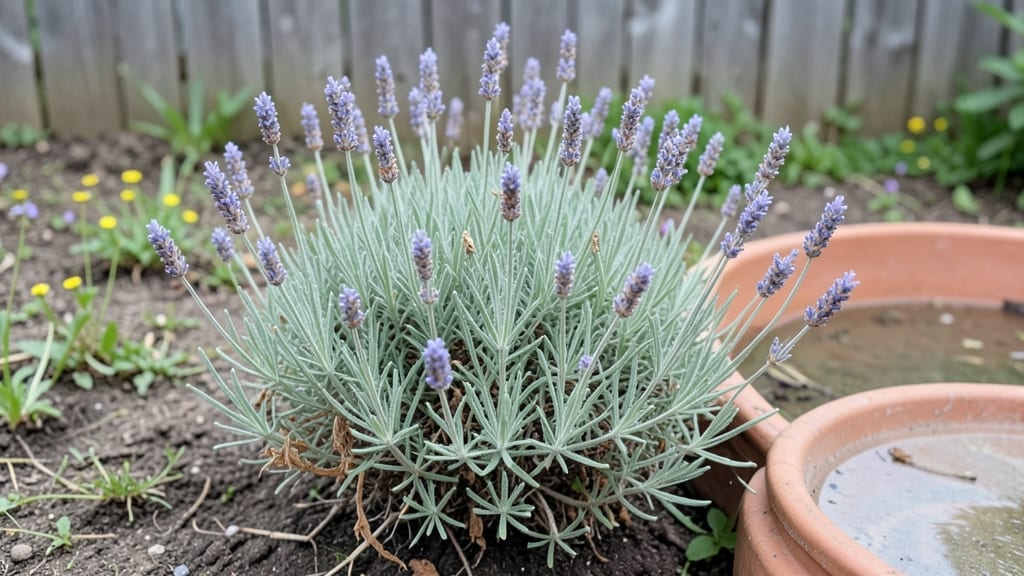
| Lavender | Perennial | 1-2 | Full Sun | Summer-Fall | Bees, Butterflies |
| Alyssum | Annual | 0.5-1 | Full Sun-Part Shade | Spring-Fall | Bees, Butterflies, Hoverflies |
| Coneflower (Echinacea) | Perennial | 1-3 | Full Sun | Summer-Fall | Bees, Butterflies, Hummingbirds |
| Bee Balm | Perennial | 2-4 | Full Sun-Part Shade | Summer-Fall | Bees, Butterflies, Hummingbirds |
| Salvia | Perennial/Annual | 1-3 | Full Sun | Spring-Fall | Bees, Hummingbirds, Butterflies |
| Cosmos | Annual | 2-4 | Full Sun | Summer-Fall | Bees, Butterflies, Hummingbirds |
| Thyme | Perennial | 0.5-1 |
Design tips for maximizing pollinator appeal in tiny spacesCreating a pollinator-friendly garden in limited space is all about strategic design and smart plant placement. Even a 6-inch window box or small balcony planter can become a magnet for bees and butterflies with the right approach. The key lies in vertical space utilization, seasonal layering, and water sources that support pollinators year-round. Start by selecting compact, high-value plants that provide continuous blooms from early spring through late fall. Pair this with companion planting to maximize diversity in tiny areas. For example, lavender and thyme not only attract pollinators but also repel pests, creating a self-sustaining micro-ecosystem in containers.
🌱 Vertical Gardening: Use wall-mounted planters, hanging baskets, and trellises to grow cobaea scandens (cup-and-saucer vine) or clematis—both thrive in small spaces and attract hummingbirds.
🌿 Seasonal Layering: Plant early bloomers like heuchera (coral bells) in spring, summer favorites such as salvia or coneflower, and fall/winter interest with sedum or ornamental grasses for year-round appeal.
💧 Water Sources: Add a shallow dish with pebbles and water or a drip irrigation system to provide hydration for pollinators. Place it near nectar-rich flowers like bee balm or monarda for easy access.
🪴 Container Combos: Mix dwarf varieties like coreopsis (tickseed) with herbs such as basil or dill—the herbs attract beneficial insects, while the flowers provide nectar.
🌸 Narrow Bed Layouts: Create 3-foot-wide beds with staggered heights—place tall plants (like hollyhock) at the back, medium-height (e.g., black-eyed Susan) in the middle, and low-growing (such as creeping thyme) at the front.
For window boxes, opt for a three-tiered design: place tall flowers (e.g., lobelia) at the back, mid-height (like petunias) in the center, and spiller plants (such as nasturtiums) at the front. This creates visual depth while ensuring pollinators can access all blooms easily. Don’t overlook native plants—they’re the most effective at attracting local pollinators. For example, milkweed (for monarchs) or goldenrod (for bees) can thrive in 5-gallon containers and require minimal care. Pair them with pollinator-friendly herbs like lavender or rosemary to boost their appeal. Finally, avoid pesticides and deadhead spent blooms regularly to encourage continuous flowering. With these space-saving strategies, even the smallest garden can become a thriving pollinator paradise—proving that big impact doesn’t require big space! 🐝🌸 |