
Vegetables
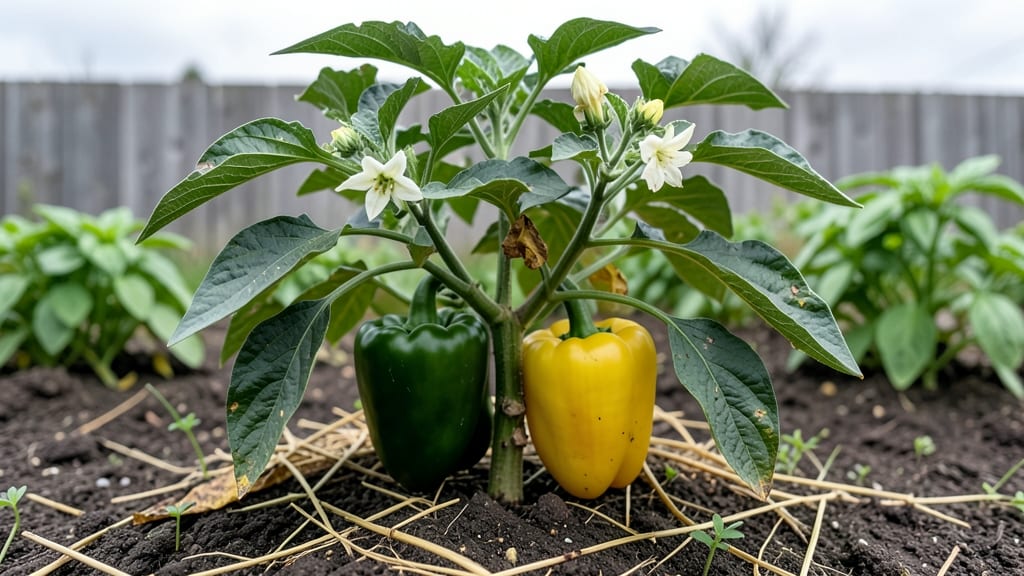
Growing bell peppers in a square foot garden lets you pack 16-25 plants into just 1 square foot—far more than traditional rows.
Imagine your tiny balcony or patio bursting with 🌶️ ripe peppers all summer, no sprawling rows needed. This method isn’t just for city gardeners—it’s a game-changer for anyone with limited space who still wants a bountiful harvest.
The key? Smart spacing, rich soil, and a few pro tips to keep your peppers thriving in tight quarters.
Square foot gardening turns wasted corners into high-yield zones, but getting it right means knowing exactly where to plant, how deep, and when to water. Skip the guesswork—here’s how to set up your grid for maximum peppers per square, plus the 3 mistakes that kill yields before they start.
Ready to turn a 1x1-foot patch into a pepper powerhouse? Let’s break down the layout, care schedule, and secrets to harvesting dozens of peppers from a space smaller than a coffee table.
Optimal square foot layouts for bell peppers to maximize yield
Square foot gardening transforms tiny spaces into high-yield pepper powerhouses. By carefully planning your bell pepper layout, you can fit 4-16 plants per square foot while ensuring each variety gets the right conditions.
The key lies in understanding how spacing, variety size, and companion plants interact in confined grids.
Sweet bell peppers like California Wonder need more elbow room than jalapeños, while hybrid varieties often strike a balance. Below, we break down proven layouts for 1x1, 1x2, and 1x4 foot grids, complete with companion planting pairings to deter pests and boost growth.
Whether you're growing in containers or raised beds, these configurations will help you maximize your harvest without sacrificing plant health.
🌱
For 1x1 foot grids, hot peppers like jalapeños and cayenne thrive when planted 4 per square at 3-inch intervals. These compact varieties produce 12-16 peppers per square foot, making them ideal for urban gardeners. Pair them with basil and
Step-by-step guide to planting bell peppers in square foot gardens
Square foot gardening transforms limited spaces into high-yield pepper patches. With bell peppers thriving in just 1 square foot, you’ll enjoy 20+ peppers per grid—ideal for balconies, patios, or small yards. The key lies in precision spacing, rich soil, and consistent care.
Let’s break it down into simple, actionable steps to ensure your plants grow strong, healthy, and productive from day one.
Before planting, test your soil for a pH of 6.0–6.8—bell peppers crave slightly acidic to neutral conditions. Amend with compost or aged manure to boost nutrients, and mix in a balanced 10-10-10 fertilizer for a slow-release nutrient boost.
Raised beds or containers work perfectly, as they provide optimal drainage and warmer soil faster than in-ground plots.
Your Planting Checklist
-
Step 1: Divide Your Grid
Use a 12-inch grid to section your square foot. Each 12" x 12" square holds 1 bell pepper plant for ideal airflow and sunlight access.
-
Step 2: Plant Seedlings
Place 1 seedling per square, ensuring the stem is buried just below soil level (up to the first leaves). Space hot peppers 12" apart and sweet peppers 18" apart for larger varieties.
-
Step 3: Water Immediately
Give 1 cup of water per plant at the base to settle soil. Avoid wetting leaves to prevent fungal diseases like blight.
-
Step 4: Mulch for Moisture
Apply 2–3 inches of straw or shredded leaves to retain moisture and suppress weeds. Replenish mulch every 4–6 weeks during the growing season.
-
Step 5: Fertilize Lightly
Use a half-strength liquid fertilizer (e.g., fish emulsion) 2 weeks after planting. Repeat every 4–6 weeks with a balanced 10-10-10 to support fruit development.
-
Step 6: Prune for Airflow
Remove lower leaves touching the soil to improve airflow and reduce pest risks. Prune sucker growth (side shoots) to direct energy to fruit production.
-
Step 7: Water Deeply & Consistently
Water early in the morning (6–8 AM) to 1–2 inches deep, 2–3 times per week. Adjust for heat waves—dry soil stresses plants and reduces yields.
After planting, monitor your peppers for signs of stress like yellowing leaves or drooping stems. These often signal underwatering or nutrient deficiencies.
Adjust your watering schedule or apply a foliar feed (like seaweed extract) to revive plants quickly. Hot peppers mature faster (60–70 days), while sweet varieties take 75–90 days—plan your harvest accordingly!
Pro tip: Rotate your square foot grids annually to prevent soil depletion and pest buildup. Keep a gardening journal to track which varieties thrive in your space, soil mix, and microclimate. With these steps, you’ll harvest vibrant, flavorful peppers all season long—no sprawling garden required!
🌱