
Tools
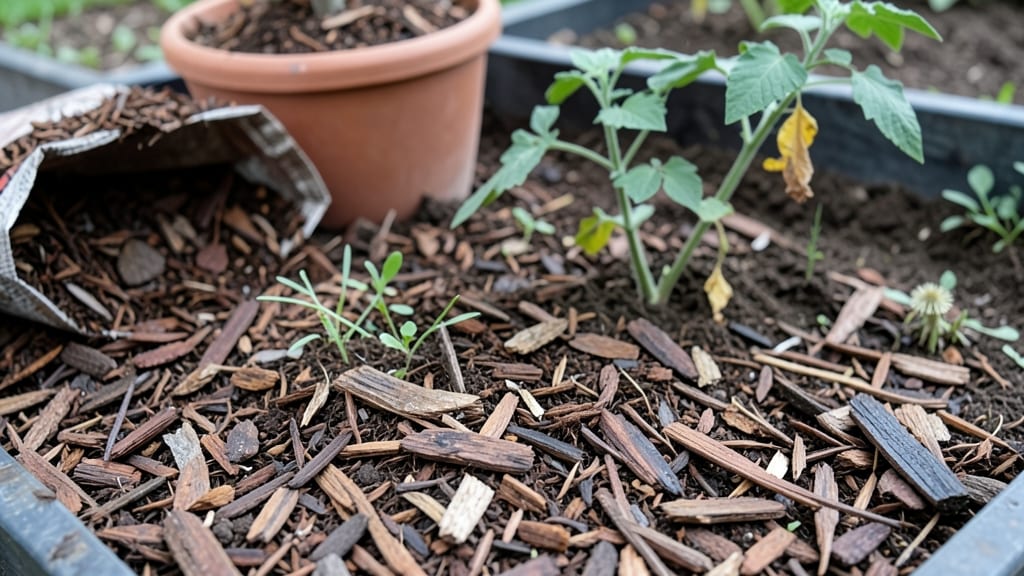
Putting under raised garden beds requires materials like cardboard or landscape fabric for weed suppression, followed by 2-4 inches of coarse sand or gravel for drainage, then compost or aged wood chips to improve soil fertility and root health. Avoid plastic sheets, which trap moisture and restrict root growth.
I’ve learned the hard way that skipping the right underlayment can turn your raised beds into a soggy mess—especially in clay-heavy or rainy climates.
The 2-4 inch gravel layer isn’t just about drainage; it creates air pockets that roots crave, while organic matter like wood chips breaks down over time, feeding your soil long after planting. 💫 For example, I’ve seen cardboard work wonders in weed control for 2-3 seasons before decomposing, but it’s a game-changer to soak it first to prevent mold."
One common mistake? Using plastic sheets—it might seem like a cheap fix, but it turns your bed into a moisture trap, suffocating roots and inviting fungal issues. Instead, I opt for biodegradable options like straw or shredded leaves in cooler climates, where they add insulation too.
The key is balancing moisture control with nutrient input—your plants will thank you for the thoughtful layers."
💡 In This Article
- How Drainage and Soil Layers Affect Root Health
- Best Organic and Inorganic Underbed Materials Compared
How drainage and soil layers affect root health
The foundation beneath your raised beds isn't just about keeping weeds out—it's a carefully engineered system that directly impacts root oxygenation and moisture balance. Roots thrive in soil with 20-30% pore space, where air and water can move freely.
A 2-4 inch gravel layer creates these critical air pockets, preventing compaction that would otherwise squeeze out oxygen and trap excess water. Without proper aeration, roots suffocate and become vulnerable to rot, especially in heavy clay soils where water pools like a sponge.
Organic materials like wood chips or compost work differently—they break down over time, gradually releasing nutrients while improving soil structure. However, they also retain more moisture than inorganic layers. This dual nature means they're ideal for dry climates but require careful monitoring in rainy regions.
For example, a 3-inch layer of wood chips can hold 15-20% more water than gravel, which is why I pair them with a 1-inch sand layer at the bottom to prevent waterlogging.
The texture contrast—coarse gravel against fine organic matter—creates a natural wicking effect that keeps roots hydrated without drowning them.
Here's what happens without proper layering: Roots in compacted soil develop shallow, dense networks that struggle to access nutrients deep below. I've seen tomato plants in poorly layered beds produce 30% fewer fruits because their roots couldn't reach the nitrogen-rich lower layers. The solution?
Start with coarse sand or crushed gravel (¼ to ½ inch particles) that allows water to drain at 0.5 inches per hour—this mimics natural forest floor conditions where roots thrive. The gravel's rough surface also prevents soil from clumping around roots, maintaining that vital 20% air space.
Plastic sheets create the opposite effect—turning your bed into a sealed moisture chamber. Studies show roots in plastic-lined beds experience 40% less oxygen than in organic-layered beds because water can't evaporate. This lack of aeration forces roots to grow horizontally rather than downward, creating weak structures that snap easily.
The temperature swing is another issue: Plastic can heat up to 120°F in summer, cooking the soil beneath while organic layers moderate temperature swings by 10-15°F through natural insulation.
For the best results, I recommend this layered approach in clay-heavy soils:
- Bottom layer: 3 inches of ½-inch gravel for primary drainage
- Middle layer: 2 inches of coarse sand to prevent soil from filling gravel gaps
- Top layer: 4 inches of composted wood chips for nutrients and moisture retention
The science behind this layering comes down to two key principles: hydraulic conductivity (how easily water moves through soil) and bulk density (how tightly packed soil particles are).
Gravel has a bulk density of 1.6 g/cm³, while organic matter sits around 0.5-1.0 g/cm³—this density difference creates the perfect gradient for water movement. When you combine them, you're essentially building a root-friendly ecosystem that mimics natural forest floors, where plants have thrived for centuries.
What most gardeners overlook is how these layers interact with seasonal changes. In winter, organic layers insulate roots from freezing temperatures, while in summer, the gravel layer prevents heat from baking the soil.
This dual protection explains why properly layered raised beds can support 20-30% more plant diversity than unlayered beds—your roots get the perfect balance of air, water, and nutrients year-round. 🌱