
Picking
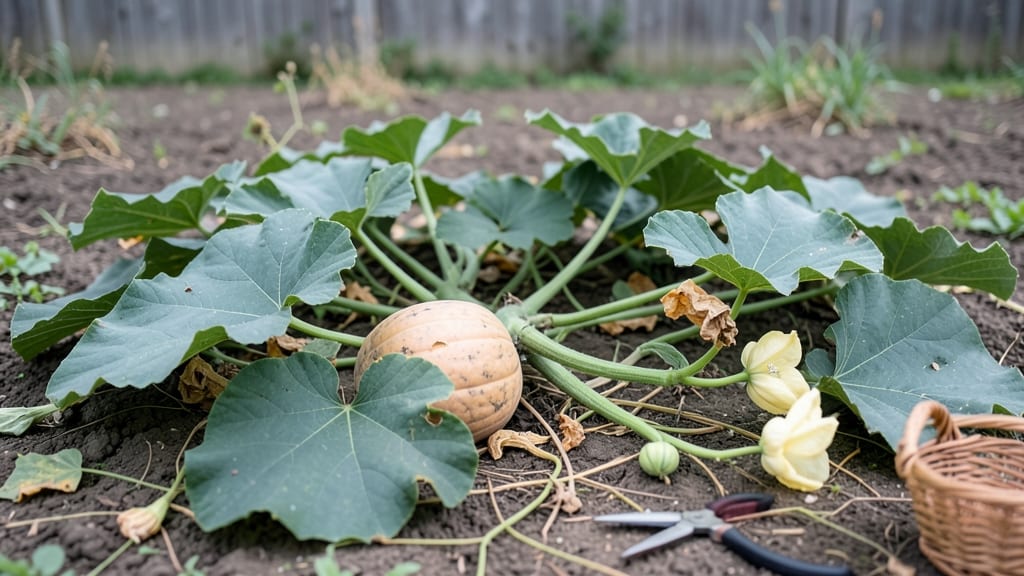
Picking butternut squash from your garden at the right time turns a tough, bland vegetable into a sweet, tender delight 🎃 — and missing these cues means wasting your harvest.
Butternut squash can transform from a hard, bitter garden oddity to a sweet, velvety delicacy—if you harvest it at the perfect moment. Timing is everything, and missing these key cues could leave you with flavorless flesh or wasted effort.
Here’s the game-changer: the ideal harvest window falls between late October and November in most regions, but the real secret lies in three simple visual checks—skin color, stem condition, and weight—that guarantee peak flavor.
In this guide, I’ll walk you through how to spot a perfectly ripe butternut squash, avoid common harvesting mistakes, and even test ripeness like a pro. No guesswork, just sweet, ready-to-eat squash every time.
3 Visual signs your butternut squash is ready for harvest
Harvesting butternut squash at the right moment ensures maximum sweetness and perfect texture. Unlike some vegetables, these squash don’t ripen further after picking, so timing matters. A slightly premature harvest leaves you with tough, bland flesh, while waiting too long risks overripe squash that spoils quickly.
The key lies in three unmistakable visual cues that signal peak ripeness.
First, pay attention to the skin color—this is your primary indicator. Butternut squash starts green but matures to a deep tan or beige. The color change happens gradually, so check weekly once the squash reaches football size.
A uniform tan hue means it’s ready, while patches of green suggest it needs more time. This color shift isn’t just cosmetic; it’s a sign the starches inside have converted to sugars.
Next, examine the stem attachment. When ripe, the stem near the squash will dry out and harden, almost like a dried vine. Gently tug on the stem—if it snaps easily (rather than pulling out), your squash is ready.
A flexible or green stem means it’s not fully mature yet. This cue is especially important because butternut squash won’t soften further after harvest, so you want that stem to be dry and crisp.
Finally, test the rind hardness with your thumbnail. A ripe butternut squash should have a thick, hard rind that resists gentle pressure. Press firmly—if your nail leaves no indentation, it’s ready. A soft or yielding rind means the squash needs 1-2 more weeks on the vine.
This hardness isn’t just about texture; it’s also a sign the seeds inside are fully developed, ensuring the best flavor.
🎃 3 Visual Cues for Perfect Harvest Timing
- 1. Skin Color: Deep tan/beige (no green patches). Use a color chart if unsure—ripe squash matches a peach or light brown hue.
- 2. Stem Condition: Dry, brittle, and snaps when tugged. Avoid harvesting if the stem is green or flexible.
- 3. Rind Hardness: No thumb indentation when pressed. A ripe squash feels heavy for its size due to dense flesh.
Pro Tip: Harvest on a dry morning after dew has evaporated to prevent rot during curing.
Seasonal timing also plays a role. In USDA Zone 6a (like much of the Midwest), butternut squash typically matures between late September and October. However, warmer climates (Zones 8+) may see harvests as early as August, while cooler regions (Zones 4-5) might extend into November.
Watch for the first frost warning—butternut squash won’t survive frost, so harvest before temperatures drop below 40°F.
If you’re growing in containers or raised beds, timing can shift slightly due to warmer soil temperatures. Container-grown squash often ripen 1-2 weeks earlier than in-ground plants. To compensate, start checking for the three visual cues about 10-14 days earlier than your usual harvest window.
This early monitoring helps you beat heat stress that can accelerate ripening.
One common mistake is relying solely on days to maturity (usually 80-110 days for butternut squash). While seed packets provide a general timeline, environmental factors like sunlight, soil temperature, and water stress can delay ripening.
Always cross-reference days with visual cues—a 100-day-old squash with green skin isn’t ready, just like a 90-day-old squash with tan skin is perfect.
After confirming ripeness, harvest using a sharp pruning shear or knife to avoid damaging the squash. Leave 1-2 inches of stem attached—this helps the squash cure properly and prevents rot. Once harvested, place squash in a dry, shady spot for 7-10 days to cure.
This step deepens flavor and hardens the rind, extending storage life to 2-3 months in a cool, dark place.
Remember, butternut squash won’t improve after harvest, so don’t wait for the vines to die back completely. By the time the vines yellow, your squash may be overripe or vulnerable to pests.
Trust your eyes and fingers—the tan skin, dry stem, and hard rind are your foolproof guide to harvesting at peak sweetness. 🎃
Butternut squash harvesting mistakes that ruin flavor (and how to avoid them)
Harvesting butternut squash at the wrong time or mishandling them after picking can turn your hard work into a bitter disappointment. The sweetness and texture you crave only develop when you follow precise timing and care guidelines. Even experienced gardeners sometimes make costly mistakes that compromise flavor and storage life.
One of the biggest errors is harvesting too early, when the squash is still soft and green. This results in watery, bland flesh that lacks the rich, nutty flavor you love.
On the flip side, waiting too long can lead to overripe squash with stringy flesh and a hollow center—both are equally undesirable outcomes.
⚠️
Butternut squash should be harvested when the skin turns a matte tan or beige and the stem near the squash dries to a brittle, papery texture. If your local first frost is approaching (typically October-November in most zones), prioritize harvest over perfect ripeness—frost ruins flavor faster than waiting a few days.
💡 Pro Tip: Use a sharp pruning shears to cut the stem 1-2 inches above the squash—never pull or twist, which causes bruising.
Improper storage is another silent flavor killer. Many gardeners store freshly harvested butternut squash in the fridge, but this accelerates moisture loss and starch conversion, turning sweet flesh starchy and mealy.
Instead, store them in a cool, dark place (50-55°F) with good air circulation, like a garage or basement, where they’ll keep for 2-3 months.
Physical damage during harvest or handling also speeds up spoilage. Dropping squash or leaving scratches on the rind creates entry points for bacteria and fungi. Always handle squash with care—use a clean, dry cloth to wipe away dirt and avoid stacking them in piles, which traps moisture and encourages rot.
Even after perfect harvest and storage, improper prep before cooking can ruin flavor. Never wash squash until you’re ready to use it—excess moisture on the rind promotes mold growth.
Instead, scrub the skin with a soft brush and dry thoroughly before storing. When cutting, use a sterilized knife to avoid introducing contaminants.
By avoiding these common mistakes—harvesting at the right time, storing properly, and handling gently—you’ll unlock the full sweet, velvety potential of your butternut squash. The difference between a flavorful harvest and a disappointing one often comes down to these small but critical details. 🎃