
Landscaping
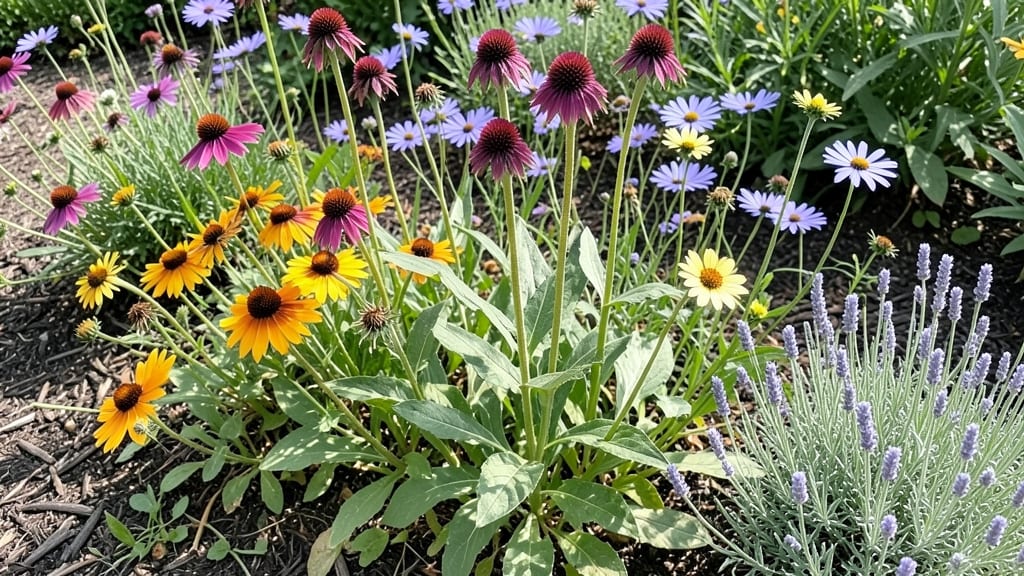
Designing a wildflower garden that thrives with minimal effort but bursts with color is easier than you think—especially when you focus on the right mix of native blooms and smart layout tricks.
Picture this: your yard transforms into a buzzing, pollinator-friendly meadow where 🌼 wildflowers stretch from spring to fall, all while saving you hours of mowing and weeding. The secret? Choosing the right species for your zone and letting nature do the heavy lifting.
You don’t need a green thumb or a budget to pull it off—just a little planning upfront. We’ll cover how to pick wildflowers that bloom in waves, prep your soil the right way, and arrange them so every corner of your garden stays lively without turning into a maintenance nightmare.
By the end, you’ll have a step-by-step roadmap to create a garden that’s as beautiful as it is easy, with tips tailored for USDA Zone 6a and beyond. Let’s get those seeds in the ground!
How to plan a wildflower garden for continuous seasonal blooms
A wildflower garden bursting with color all season long isn’t just beautiful—it’s low-maintenance and ecologically friendly. The key lies in strategic plant selection that aligns with your local climate, sunlight exposure, and soil conditions.
By choosing native wildflowers with staggered bloom times, you’ll enjoy continuous blooms from early spring through late fall without constant upkeep.
Start by assessing your garden’s sunlight and soil type. Most wildflowers thrive in full sun (6+ hours daily), but some—like blue-eyed grass—tolerate partial shade.
Test your soil pH and amend with compost if needed. Native plants are your best bet, as they’re adapted to your region’s rainfall patterns and temperature swings, reducing the need for irrigation or fertilizers.
| Season | Wildflower Varieties | Sunlight Needs | Soil Type | Height Range |
|---|---|---|---|---|
| Early Spring | Virginia bluebells, bloodroot, Dutchman's breeches | Partial shade to full sun | Moist, well-draining | 6"–18" |
| Late Spring | Black-eyed Susan, coneflower, coreopsis | Full sun | Average to dry soil | 12"–36" |
| Summer | Blanket flower, bee balm, goldenrod | Full sun | Well-draining, adaptable | 18"–48" |
| Fall | Asters, goldenrod, sedum | Full sun to partial shade | Average to rocky soil | 12"–36" |
| Year-Round | Yarrow, purple coneflower, butterfly weed | Full sun | Drought-tolerant, adaptable | 12"–24" |
Design your garden in layers to create depth and season-long interest. Start with tall perennials (3–4 ft) like coneflowers at the back, followed by medium-height blooms (1–2 ft) such as black-eyed Susans, and finish with low-growing varieties (6–12 in) like creeping phlox in the front.
This arrangement ensures no visual gaps as some flowers fade and others emerge.
For regional success, research native wildflowers in your USDA hardiness zone. For example, prairie coneflower thrives in zones 3–9 and attracts pollinators, while California poppies are perfect for drought-prone areas in zones 5–10.
Local nurseries or native plant societies can provide seed mixes tailored to your area, ensuring hardy, low-maintenance results.
Prepare your soil by removing weeds and grass, then loosen the top 6 inches with a broadfork or tiller. Wildflowers prefer poor to average soil, so avoid over-fertilizing.
Instead, mix in compost to improve drainage and microorganism activity. If your soil is clay-heavy, amend with sand or peat moss to prevent waterlogging.
Plant seeds in late summer or early fall for the best germination rates. Scatter seeds thinly and lightly cover with soil or mulch (no more than ¼ inch).
Keep the area moist but not soggy until seeds sprout, which typically takes 2–4 weeks. Once established, wildflowers require minimal watering—only during prolonged droughts.
To encourage continuous blooms, deadhead spent flowers in early spring to redirect energy to new growth. However, leave some seed heads for wildlife and self-seeding. In late fall, cut back dead foliage to neatly 6 inches above the ground to protect perennial roots over winter.
This simple step ensures a vibrant rebloom the following spring.
Incorporate pollinator-friendly plants like milkweed (for monarchs) and bee balm to attract beneficial insects while adding to your garden’s ecological value. Group similar-colored flowers together for visual impact, and vary textures with grasses like little bluestem
Best wildflower seeds for low-maintenance, high-impact gardens
Creating a stunning wildflower garden doesn't require expensive plants or constant care. The key is selecting the right wildflower seeds that thrive with minimal intervention while delivering maximum visual impact.
I’ve curated a list of top-performing varieties that bloom spring through fall, attract pollinators, and require little to no maintenance once established.
These wildflowers are categorized by color, height, and bloom time to help you design a garden that looks effortless yet breathtaking. Whether you want a sunny meadow or a shady woodland edge, there’s a perfect mix for every space.
Plus, I’ll share my favorite affordable sourcing tips to keep costs low while maximizing beauty.
🌼 Top Wildflower Seeds by Category
🌸 Spring Bloomers
- 🌷 Virginia Bluebells - Delicate blue-purple bells, 1-2 ft tall
- 🌼 Lupine - Tall purple spikes, 2-4 ft, attracts bees
- 💐 Bloodroot - White with red centers, 6-12 in, woodland shade
☀️ Summer Stars
- 🌻 Black-Eyed Susan - Golden-yellow daisies, 1-3 ft, drought-tolerant
- 🌺 Coneflower - Pink-purple with brown centers, 2-5 ft, pollinator magnet
- 🌼 Coreopsis - Bright yellow daisy-like flowers, 1-3 ft, long bloom season
🍂 Fall Favorites
- 🌼 Aster - Purple-blue clusters, 1-4 ft, late-season blooms
- 🌻 Goldenrod - Golden plumes, 2-5 ft, thrives in poor soil
- 🌷 Sedum - Pink-red succulent flowers, 1-2 ft, drought-proof
💡 Pro Tip: Mix tall (Coneflower), medium (Black-Eyed Susan), and low (Coreopsis) varieties for layered visual interest!
For affordable sourcing, I recommend checking local native plant nurseries or reputable online seed banks like American Meadows or Baker Creek Heirloom Seeds. These often offer bulk wildflower mixes at 50% off retail prices compared to big-box stores.
Look for region-specific blends to ensure your flowers thrive in your local climate.
To maximize their natural beauty, avoid over-tilling—wildflowers thrive in undisturbed soil. Instead, scatter seeds evenly in early spring or fall, then lightly rake and press them into the soil.
A thin layer of mulch (like straw) helps retain moisture while keeping weeds at bay. Once established, these wildflowers will self-seed and spread beautifully year after year.
Don’t forget to leave some stems after blooming to collect seeds for next season’s garden. This simple step ensures your wildflower meadow grows denser and more vibrant with each passing year. With the right mix, your garden will become a pollinator paradise that requires almost no effort to maintain.