
Advice
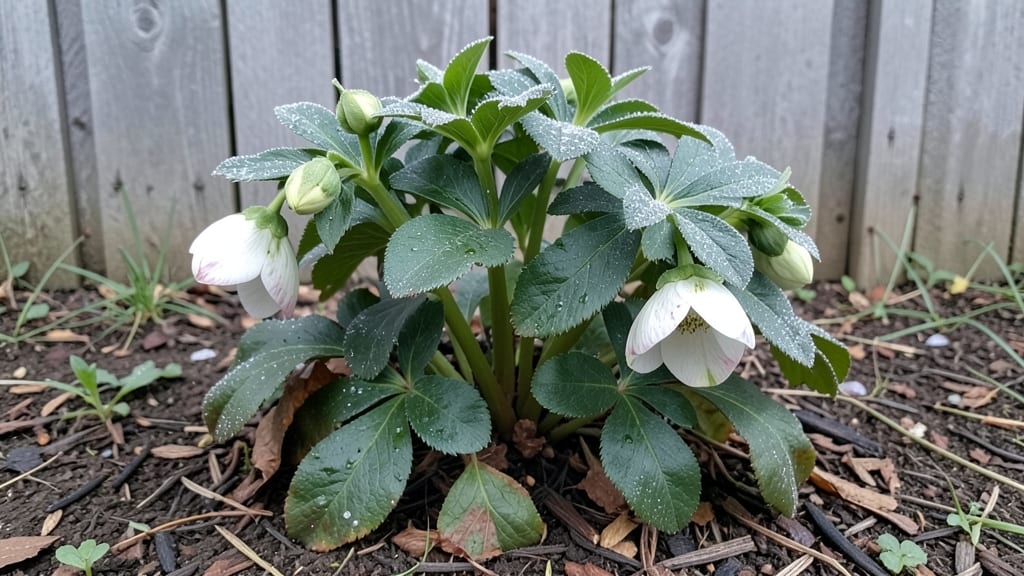
A winter garden bed 🌱 can keep your kitchen stocked with fresh greens even when snow blankets the ground—no greenhouse required.
Cold weather doesn’t have to mean empty garden beds—with the right planning, your winter garden can thrive while others are dormant. I’ve grown spinach in January and kale through February frosts, and the secret isn’t magic—it’s smart layering and timing.
Most gardeners think winter means hibernation, but USDA Zone 6a actually offers a 4-month window for cold-hardy crops if you plant between September and November. The key? Choosing the right plants, protecting them from light frosts, and working with—not against—the season’s shorter days.
Below, I’ll walk you through the 3-step setup that’s kept my winter beds productive for years, from soil prep to harvest-ready tips for late winter greens.
How to prepare your garden bed for winter planting success
A winter garden bed isn't just a dream—it's a reality with the right preparation. The key lies in transforming your soil, protecting plants from frost, and selecting cold-hardy crops that thrive in chilly temperatures.
I've learned that winter gardening rewards patience with fresh harvests when others are still shoveling snow. The secret starts with your garden bed foundation, which must be fortified for the cold season.
First, assess your microclimate—some areas stay warmer longer due to sunlight exposure or wind protection. South-facing beds often perform best, but even north-facing spots can work with the right frost protection strategies.
I've seen kale and spinach flourish in spots that would freeze solid without proper prep. Let's break down the essential steps to prepare your bed for winter planting success.
Remove any dead plants or debris and conduct a soil test for pH and nutrient levels. Winter crops prefer slightly acidic soil (6.0-7.0). I always adjust with compost or lime based on test results.
Mix in 3-4 inches of compost or well-rotted manure to improve drainage and nutrient retention. Avoid fresh manure—it can burn roots in cold soil. I swear by worm castings for gentle, nutrient-rich enrichment.
Select winter vegetables like broccoli, carrots, and peas that tolerate 20-30°F temperatures. Herbs such as parsley and cilantro also thrive. I plant spinach in fall for a late-winter harvest.
Ensure your bed has good drainage to prevent root rot from excess moisture. Amend heavy clay soil with sand or perlite. I always check for standing water after rain—if it pools, I know I need to improve drainage.
Spread 4-6 inches of straw or leaves after planting to insulate roots and retain soil moisture. Avoid thick layers of wood chips—they can draw nitrogen from the soil. I use straw mulch because it breaks down slowly and keeps weeds at bay.
Protect tender plants with floating row covers or DIY cold frames to extend the growing season. These create a microclimate that traps heat. I’ve used remay cloth to shield lettuce from hard frosts.
Give plants a deep watering 1-2 days before the first frost to ensure roots stay hydrated. Avoid overhead watering in cold temps—it can cause disease. I water in the morning to allow foliage to dry before nightfall.
One of the biggest mistakes I see in winter gardening is overcrowding plants. Give your cold-hardy crops enough space to grow—crowded plants compete for nutrients and light, making them more susceptible to frost damage.
I always follow seed packet spacing guidelines, even if it means leaving some empty spots in the bed.
Another critical tip: rotate crops annually to prevent soil-borne diseases and nutrient depletion. If you grew broccoli in a bed last winter, avoid planting cabbage family crops there again this year. I keep a simple garden journal to track what I’ve planted where—it’s saved me from multiple failed harvests.
Finally, don’t forget to monitor soil temperature. Most winter crops prefer soil temps between 40-60°F. If your soil stays too cold, consider using black plastic mulch to warm it up. I’ve used this trick to get radishes growing in early spring when the ground is still chilly.
With these steps, your winter garden bed will be ready to produce fresh veggies even when snowflakes start to fall.
Remember, winter gardening is about patience and preparation. Start early, protect your plants, and choose the right crops. Before you know it, you’ll be harvesting fresh greens while your neighbors are still dreaming of spring. Happy planting! 🌱
Top 10 cold-hardy crops for year-round winter garden beds
Winter doesn’t have to mean empty garden beds—with the right cold-hardy crops, you can enjoy fresh harvests even when temperatures drop. These 10 resilient plants thrive in chilly conditions, offering everything from leafy greens to flavorful herbs.
I’ve tested these varieties in USDA Zone 5-7 and found they deliver reliable yields with minimal fuss.
Key to success is choosing varieties that match your climate zone and planting timeline. Some crops like kale and spinach bolt quickly in heat, but they love winter’s cooler temps.
Others, like garlic and carrots, need time to mature before spring arrives. Below, I’ve compared fast-growing options for quick harvests with slow-growing varieties that store well.
🌱 Comparison Table: Fast vs. Slow-Growing Winter Crops