
Landscaping
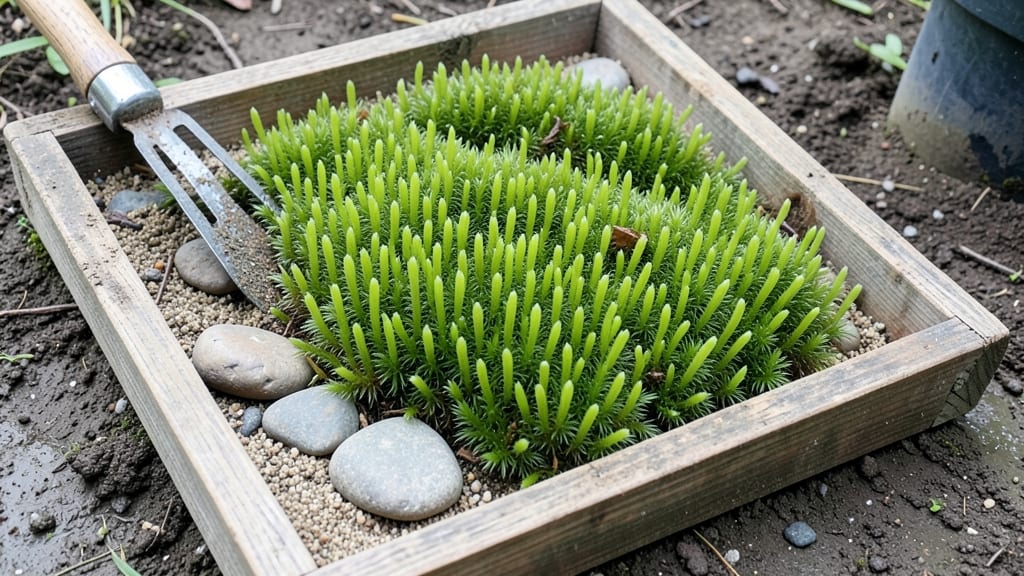
Designing zen garden layouts brings harmony to any outdoor space, blending simplicity with nature’s quiet beauty.
Picture this: a serene retreat where every element—raked sand, mossy paths, and carefully placed rocks—invites mindfulness. Whether you have a sprawling yard or a tiny balcony, these principles can transform your space into a peaceful escape.
At the heart of zen garden designs are minimalist elements like ornamental grasses and bonsai, chosen for their texture and symbolic meaning. The key? Balance—where every plant, stone, or water feature serves a purpose without overwhelming the eye.
In this guide, I’ll walk you through the core principles, from selecting the right Zen Garden Plants 🌿 to arranging them for flow and tranquility. Ready to create your own slice of calm?
Core elements of authentic zen garden layouts
A zen garden isn't just a garden—it's a meditative space designed to evoke peace and focus. Rooted in Japanese traditions, these layouts use minimal elements to create profound harmony. The key lies in intentional placement of rocks, gravel, and plants to guide the eye and mind toward tranquility.
Whether you're designing a small urban retreat or a sprawling backyard sanctuary, understanding these core elements will help you craft an authentic zen garden.
At the heart of every zen garden is the principle of wabi-sabi, embracing imperfection and transience. This philosophy influences every design choice, from the rough texture of rocks to the organic flow of raked gravel.
Even the smallest details, like the shape of a single stone, contribute to the overall sense of balance. By focusing on these foundational components, you can create a space that feels both grounded and serene.
The summary table below breaks down the essential elements of an authentic zen garden layout, including their purpose, materials, and cultural significance.
| Element | Purpose | Materials | Cultural Significance |
|---|---|---|---|
| Raked Gravel | Creates flowing patterns and symbolizes water | Fine gravel (1-3mm), rake | Represents rivers and ocean waves |
| Strategically Placed Rocks | Adds structure and focal points | Flat stones, boulders, or river rocks | Symbolizes mountains and islands |
| Minimalist Plants | Enhances natural beauty without clutter | Moss, bonsai, ornamental grasses | Represents life and growth in simplicity |
| Water Features | Adds soothing sounds and movement | Small pond, bamboo fountain, or stream | Symbolizes purity and renewal |
| Bridges and Lanterns | Connects spaces and adds light | Stone bridges, paper lanterns | Represents transition and enlightenment |
Raked gravel is often the first element visitors notice in a zen garden. The meticulous patterns created with a rake mimic the movement of water, inviting contemplation. I recommend using fine gravel (1-3mm) for a smooth texture that's easy to rake into waves or ripples. This element isn't just decorative—it’s a meditative tool. The act of raking becomes a mindfulness practice, helping you stay present in the moment.
When selecting rocks for your zen garden, prioritize natural, irregular shapes over smooth, polished stones. Each rock should have its own space, arranged in odd-numbered groupings (like 3, 5, or 7) to create visual balance.
Larger rocks can serve as focal points, while smaller ones add texture. In Japanese traditions, rocks represent mountains and islands, grounding the garden in nature's raw beauty.
Minimalist plants play a crucial role in zen gardens, but less is often more. I love incorporating moss for softness, ornamental grasses for movement, and bonsai trees for discipline. These plants should complement the rocks and gravel without overpowering them. For example, a single Japanese black pine bonsai can anchor a design, while low-growing moss fills in the gaps with a velvety texture.
Adding a water feature—even a small one—transforms a zen garden into a living sanctuary. The sound of trickling water masks distracting noises and creates a calming ambiance. Options range from a bamboo fountain to a simple stone-lined stream.
Water also symbolizes purity and renewal, aligning with the garden's meditative purpose. If space is limited, a tabletop water feature can still bring the benefits of flowing water.
Finally, don’t overlook the power of pathways and lighting. A winding path made of stepping stones or gravel encourages slow exploration, while stone lanterns or solar lights extend the garden's tranquility into the evening. These details tie everything together, creating a cohesive space that feels intentional and complete.
To bring it all together, start with a clean, uncluttered base—remove weeds, level the ground, and lay down a layer of coarse sand or gravel as a foundation. Then, layer in your chosen elements, stepping back often to assess balance.
Remember, a zen garden is a living work of art, so don’t rush. Let each element find its place naturally, and trust the process.
Once your zen garden is complete, tend to it with mindfulness. Regularly rake the gravel, trim plants gently, and clean water features to maintain their serene appearance. Over time, your garden will evolve into a personal sanctuary, offering a quiet retreat from the world’s noise.
🌿
How to design a zen garden for small spaces
Creating a zen garden in a small space is entirely possible with thoughtful planning and minimalist design. Even a balcony or patio can become a serene retreat by focusing on simplicity, natural elements, and intentional layouts.
The key is to scale down traditional zen principles—like raked sand, strategic rocks, and minimal foliage—while maximizing visual tranquility.
Start by choosing a focal point, such as a small bonsai tree or a decorative stone, to anchor your design. Use containers for plants and vertical gardening to save space, ensuring every element contributes to the overall harmony.
With the right techniques, your tiny outdoor area can feel spacious and peaceful, embodying the essence of zen.
-
1. Use Containers
Opt for shallow trays or raised beds for raked gravel or sand, mimicking traditional zen gardens. Choose neutral-toned containers to maintain a cohesive look. -
2. Incorporate Vertical Space
Install wall-mounted planters or hanging baskets with dwarf ornamental grasses or moss to add greenery without taking up floor space. -
3. Place Rocks Strategically
Use odd-numbered groupings (3, 5, or 7) of smooth stones to create natural focal points. Arrange them asymmetrically for a balanced, organic feel. -
4. Add a Water Feature
A small bamboo fountain or tabletop water basin introduces the calming sound of water, even in limited spaces. Ensure it’s low-maintenance and easy to clean. -
5. Limit Plant Selection
Stick to 3-5 low-maintenance plants, like Japanese sedum, dwarf junipers, or lichen-covered stones, to keep the space uncluttered and serene.
When designing for a small space, prioritize negative space—the empty areas between elements—to enhance the sense of calm. Avoid overcrowding with too many plants or decorations, as this can disrupt the zen aesthetic. Instead, focus on creating a flowing layout that guides the eye naturally through the space.
Lighting plays a crucial role in small zen gardens. Use soft, warm LED lights embedded in the ground or along pathways to create a gentle glow during the evening.
Solar-powered lights are ideal for patios or balconies, as they’re easy to install and energy-efficient. This subtle illumination adds depth and tranquility to your space after sunset.
Finally, incorporate mindfulness practices into your design. Place a small meditation cushion or a wooden bench in a quiet corner where you can sit and reflect. The goal is to create a space that invites relaxation and connection with nature, no matter how small.
With these tips, your tiny outdoor area can become a peaceful escape—a true zen garden tailored to your space. The beauty of minimalism lies in its ability to transform even the smallest areas into serene sanctuaries. 🪴