
Planting
Zone 4 gardening thrives with cold-resistant plants like coneflowers, Russian sage, and hardy perennials that survive -30°F to -20°F winters. Focus on early spring planting, mulching, and windbreaks to protect tender crops until soil warms to 50°F.
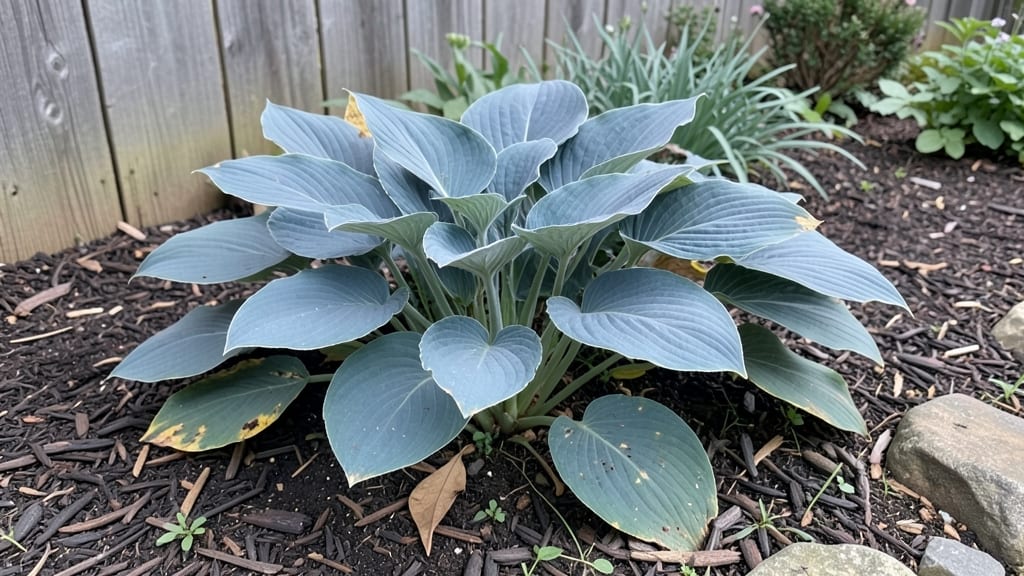
Many gardeners in these frigid regions discover that the key isn't just picking plants that survive cold—it's selecting varieties that actually thrive under the stress. 💛 For example, Blue Spruce trees not only endure -30°F winters but develop stunning blue-green hues in harsh conditions, while Hosta varieties like 'Halcyon' produce bold foliage patterns even after freeze-thaw cycles.
The secret lies in their deep root systems and waxy leaf coatings, which prevent moisture loss during 120-160 frost-free days of winter dormancy.
What often trips up new gardeners is overlooking microclimates—like south-facing slopes that warm faster or urban areas where pavement radiates heat. I've seen Russian sage plants in city gardens bloom weeks earlier than identical ones just a mile away in open fields.
Testing soil temperature with a 50°F thermometer before planting warm-season crops (like tomatoes) can save you from wasted effort on frost-sensitive starts.
💡 In This Article
- Understanding USDA Zone 4 Climate and Plant Hardiness
- Top 15 Cold-Hardy Plants for Zone 4 Success
Understanding USDA Zone 4 climate and plant hardiness
Zone 4's extreme climate—where winter lows plunge to -30°F to -20°F—creates a unique challenge for plants. The USDA defines this zone by its average annual minimum temperature, meaning only 10% of winters drop below these extremes.
This harshness forces plants to develop specialized survival strategies, like deep root systems or anti-freeze proteins in their cells. For comparison, Zone 3 (colder) sees -40°F extremes, while Zone 5 (milder) rarely dips below -15°F. 🔥
The 120-160 frost-free days in Zone 4 mean growing seasons are short—about 4-5 months—demanding precise timing for planting and harvesting. Microclimates drastically alter these conditions: A south-facing wall can add 5-10°F of warmth, while low-lying areas may trap cold air, extending frost risks.
Urban areas, with their heat islands, can push soil temperatures 10°F higher than rural zones, allowing earlier planting of tender crops like peppers.
Critical timing is everything in Zone 4. Prune spring-blooming shrubs (like lilacs) in late summer to avoid stimulating new growth before winter. Plant cool-season crops (kale, spinach) in early spring or late summer to capitalize on the brief frost-free windows.
The 50°F soil temperature threshold isn't just a number—it's when microbial activity revs up, breaking winter dormancy and allowing roots to absorb nutrients.
Windbreaks are non-negotiable here. A 6-foot-tall evergreen hedge can reduce winter wind chill by 30-50%, protecting delicate stems from desiccation. Mulching with 4-6 inches of organic matter (straw, wood chips) insulates roots, maintaining 5-10°F warmer soil temperatures than unmulched beds.
This insulation is why perennials like Russian sage (which thrives in -20°F) outperform annuals in Zone 4.
Zone 4's short daylight hours (as few as 9 hours in winter) also impact plant growth. Photoperiod-sensitive species (like poinsettias) may struggle without supplemental light. Conversely, evergreens like Blue Spruce have waxy needles that prevent ice formation, while deciduous trees shed leaves to conserve energy during 120+ days of dormancy.
The key is matching plant hardiness ratings to your microclimate's specific stresses.
What most gardeners overlook is how snow cover acts as a natural insulator. A 12-inch snowpack can maintain 32°F at the soil surface, even when air temperatures drop to -20°F.
This is why Hosta crowns survive winters in Zone 4—snow protects them from freeze-thaw cycles that would otherwise heave roots out of the ground. 💫
For edibles, focus on biennials and perennials like rhubarb or asparagus, which establish robust root systems in their first year to weather Zone 4's extremes. Annuals like Swiss chard tolerate 20°F and regrow after light frosts, making them ideal for late-summer plantings.
The science here is clear: Plants that thrive in Zone 4 aren't just tough—they're strategically adapted to exploit its unique climate quirks.