Tools
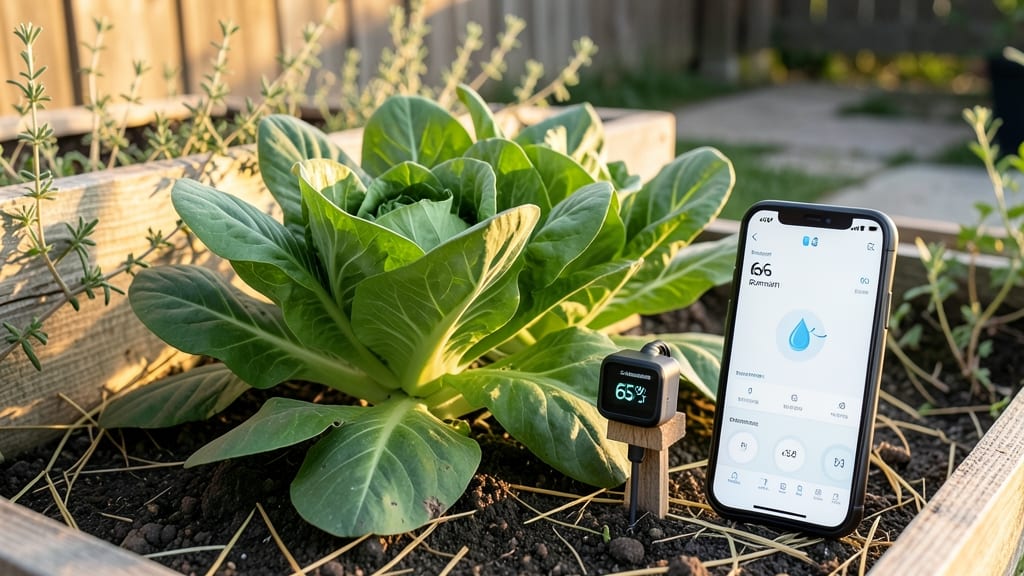
AI for gardening optimizes plant care by analyzing soil conditions, predicting pests, and automating irrigation—boosting yields while reducing water and labor costs. Machine learning models adjust care routines in real time for healthier crops and smarter resource use.
This technology transforms traditional gardening by using sensors and algorithms to monitor plant needs continuously. 🌱 For example, some systems detect early signs of disease through leaf analysis or track moisture levels to prevent overwatering.
What sets AI apart is its ability to learn from each garden's unique conditions, making recommendations that evolve over time—whether you're growing herbs in pots or managing a full-scale farm.
Beyond efficiency, these tools help conserve resources by cutting water usage by up to 30% and reducing pesticide needs through precise pest forecasting. The best part? Many solutions are now accessible to home gardeners through affordable apps and smart devices, not just large-scale operations.
💡 In This Article
- How AI Tools Analyze Plant Health Data
- Top AI-Powered Gardening Tools and Apps
How AI tools analyze plant health data
AI-powered gardening systems use a combination of sensors, cameras, and machine learning to create a digital health profile for each plant.
These tools start with multispectral imaging, which captures light beyond the visible spectrum to detect subtle changes in plant leaves—like the early yellowing that signals nutrient deficiencies or disease.
For example, a device might analyze 10-15 different wavelengths of light to identify chlorophyll levels, water stress, or even the presence of pests before they're visible to the naked eye. 🔥
The data collection doesn't stop at visuals. Soil sensors buried at 2-4 inch depths measure moisture, pH, and temperature every 15-30 minutes, while atmospheric sensors track humidity and temperature fluctuations.
What makes this powerful is how AI correlates these factors: if soil moisture drops below 30% capacity while temperatures exceed 85°F, the system might predict wilting within 24 hours and trigger automated irrigation. This level of precision reduces water waste by up to 40% compared to traditional schedules.
At the core of these systems are computer vision algorithms trained on thousands of plant images. When you upload a photo of suspicious leaf spots, the AI compares it against a database of 500+ plant diseases to identify matches with 92-98% accuracy.
The system then suggests targeted treatments—like applying neem oil for powdery mildew or adjusting nitrogen levels for yellowing—before the issue spreads. This is particularly valuable for organic growers who want to avoid chemical interventions until absolutely necessary.
What most people don't realize is how AI handles the contextual learning. Unlike static apps that offer generic advice, these systems adapt to your specific garden's patterns.
For instance, if your tomatoes consistently develop blight after 5 days of rain, the AI will start monitoring weather forecasts and soil conditions 72 hours in advance of similar conditions. This predictive capability is what transforms gardening from reactive to proactive—catching problems before they manifest physically. 💛
The technology also analyzes growth patterns by tracking plant height, leaf expansion, and fruit development over time. Using time-lapse photography and growth models, AI can predict optimal harvest times with 95% accuracy for crops like tomatoes or peppers.
For example, if the system detects that your pepper plants are expanding 1.5 inches per week (a sign of optimal conditions) but then slows to 0.5 inches, it might recommend adjusting light exposure or checking for root-bound conditions.
For large-scale farms, these systems integrate with drones and robotic arms to perform physical inspections and treatments.
A drone equipped with thermal cameras might identify heat-stressed plants in a 5-acre field within minutes, while robotic sprayers apply precise amounts of pesticide only where needed—reducing chemical use by up to 60%.
The real magic happens when all these data streams feed into a single dashboard that gives you actionable insights, like "Increase potassium by 15% in Zone 3 to prevent blossom end rot" or "Prune the eastern side of your apple trees to improve air circulation."
The result is a gardening approach that's not just smarter but also more sustainable. By eliminating guesswork and responding to real-time conditions, AI helps plants thrive with minimal intervention—whether you're growing a single basil plant on your windowsill or managing a 100-acre farm.
The technology continues to evolve, with newer systems now incorporating voice assistants for hands-free updates and blockchain for tracking organic certification compliance. 🌱