Planting
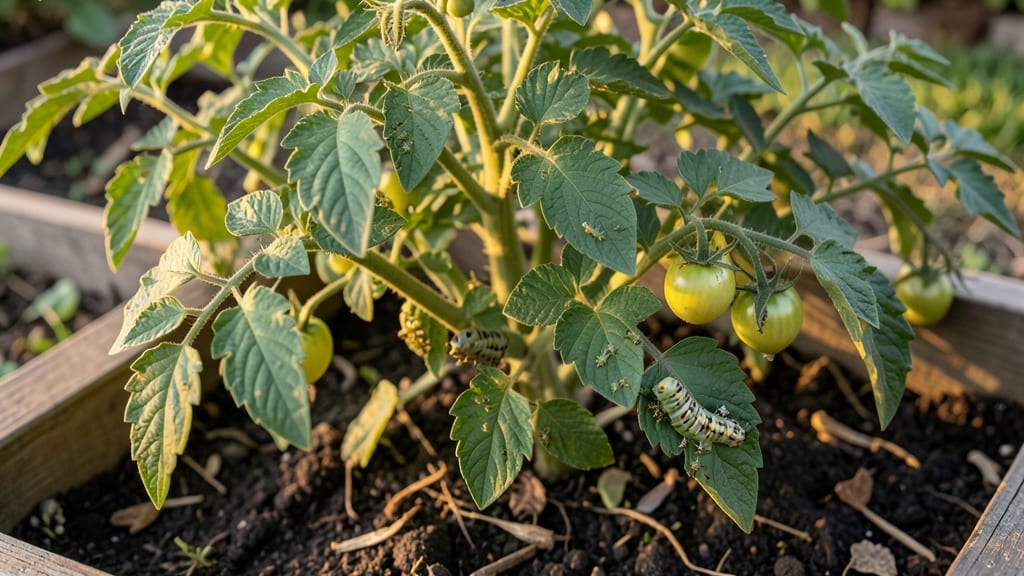
Garden plant pests don’t have to ruin your harvest—organic sprays can stop them in their tracks within 24 hours. I’ve battled aphids, spider mites, and slugs for years, and these homemade solutions actually work when store-bought sprays fail.
The key is acting fast and using ingredients you likely already have.
Most pests strike when plants are stressed—whether from drought, overwatering, or poor soil. A quick spray of neem oil mixed with water and a drop of dish soap disrupts their life cycle instantly.
For slugs, crushed eggshells and beer traps create a barrier without chemicals. The best part? These methods keep your garden thriving and safe for pollinators.
You’ll see results fast: aphids wilting, spider mites disappearing, and slugs avoiding treated areas. Within a day, your plants look refreshed, and the pests are history. No more guessing—just science-backed, foolproof fixes that protect your garden naturally.
Works for vegetables, flowers, and even houseplants—no matter your green thumb level. Let’s tackle those pests before they take over!
Root Causes Of Plant Invaders
Understanding why pests target your garden is the first step to defending your plants. These tiny troublemakers don’t just appear out of nowhere—they’re drawn by specific conditions and vulnerabilities in your green space.
Let’s break down the science behind their behavior and how your garden might be unknowingly rolling out the welcome mat.
---
Pests thrive in gardens where plants are stressed or competing for resources.
When your garden is overcrowded, plants struggle to access sunlight, water, and nutrients, weakening their natural defenses. Aphids, spider mites, and whiteflies are particularly drawn to stressed foliage because it’s easier for them to feed on sap and lay eggs.
Additionally, damaged or diseased plants emit chemical signals (called volatiles) that attract pests looking for an easy meal.
Why it matters: - Poor air circulation in dense plantings creates humid microclimates, perfect for fungal pests like slugs and snails. - Nutrient-deficient soil makes plants less resilient, making them more susceptible to attacks. - Pro tip: 💡 Prune regularly to improve airflow and thin out overgrown areas. A balanced fertilizer (like compost tea or fish emulsion) can also boost plant vigor.
---
Water stress is a major pest magnet. Underwatered plants produce sticky, sugary honeydew as a survival mechanism, which attracts ants, aphids, and even wasps. Meanwhile, overwatered soil creates soggy conditions that invite fungus gnats, slugs, and root maggots, which thrive in damp, anaerobic environments.
Why it matters: - Inconsistent watering disrupts a plant’s natural defenses, making it easier for pests to penetrate. - Standing water in containers or low-lying areas becomes a breeding ground for mosquito larvae and soft-bodied insects. - Pro tip: 🌡️ Water deeply but infrequently (1–2 inches per week) and avoid overhead watering, which can promote fungal growth. Drip irrigation or soaker hoses keep foliage dry.
---
Plants that are over-fertilized with nitrogen grow lush, tender leaves—delicious snacks for caterpillars, beetles, and leaf miners. On the flip side, phosphorus-heavy soils can attract root-feeding pests like grubs and wireworms, as these nutrients encourage rapid (but weak) root growth.
Why it matters: - Synthetic fertilizers can disrupt the soil microbiome, making plants more attractive to pests that prefer chemically altered foliage. - Weedy or mulched beds with high organic matter may attract cutworms and earwigs, which hide in decaying plant material. - Pro tip: ✨ Use a balanced organic fertilizer (like 5-5-5 or compost) and avoid excessive nitrogen. Interplanting with pest-repelling herbs (basil, marigolds) can also deter unwanted visitors.
---
Pests love clutter. Decaying leaves, fallen fruit, and old plant debris provide shelter, moisture, and food for earwigs, slugs, and beetles. Even unused garden tools, pots, and mulch piles can harbor overwintering pests like Japanese beetles or squash bugs, which emerge when conditions warm up.
Why it matters: - Mulch that’s too thick (especially organic mulch) can smother roots and attract fungal pests. - Weeds like dandelions and lamb’s quarters act as pest reservoirs, harboring aphids, flea beetles, and other garden nuisances. - Pro tip: 🔪 Clean up debris regularly, especially after harvests. Store tools and containers in a dry place, and consider row covers in early spring to block overwintering pests from reinfesting.
---
Some plants are like magnets for pests. Tomatoes, peppers, and cabbages are notorious for drawing hornworms, flea beetles, and cabbage worms, while fruit trees attract codling moths and aphids. Even companion planting mistakes (like pairing basil with tomatoes but forgetting it also deters pests) can backfire.
Why it matters: - Monoculture gardens (planting the same species in large blocks) make it easier for pests to find and devastate crops. - Non-native or invasive plants may lack natural predators, leading to uncontrolled pest outbreaks. - Pro tip: 🎯 Rotate crops yearly and use interplanting strategies—for example, marigolds with tomatoes to repel nematodes or nasturtiums with cucumbers to deter aphids.
--- Final Note: Pests don’t target your garden out of malice—they’re responding to environmental cues. By addressing plant health, water management, soil balance, and garden cleanliness, you can make your space far less appealing to unwanted visitors. The key is proactive care, not just reactive sprays!
Quick Fixes for Common Plant Invaders
When pests crash your garden party, don’t panic—act fast with these targeted, organic solutions that tackle the root of the problem while keeping your plants thriving. Below, we’ve matched the most common culprits to easy, effective fixes, plus pro tips to keep them from returning.
Think of this as your garden first-aid kit—no harsh chemicals, just smart strategies.
---
Signs: Sticky residue (honeydew), curled leaves, or tiny clusters on stems. Why it happens: These pests multiply fast and weaken plants by draining sap.
#### 🔥 Immediate Fix: Blast & Drown - 👨🍳 Spray with soapy water (1 tsp mild dish soap + 1 quart water). Direct the stream at infested areas to dislodge them. - 🥘 Neem oil spray (1 tbsp neem oil + 1 tsp soap + 1 quart water).
Spray early morning or evening to avoid harming bees. Reapply every 5–7 days. - 🔪 Handpick large clusters and drop them in soapy water.
#### 💡 Prevention Tips: - 🌡️ Attract predators: Ladybugs and lacewings love aphids. Plant dill, fennel, or marigolds nearby to lure them in. - ✨ Prune regularly to improve airflow and remove hiding spots. - 🎯 Use reflective mulch (like aluminum foil strips) to confuse them with light reflections.
---
Signs: Irregular holes in leaves, silvery slime trails, or chewed stems at dawn.
#### 🍳 Barrier & Trap Solutions - 🔪 Copper tape or wire: Create a 2-inch-high barrier around pots or garden beds. Slugs get a mild shock and avoid crossing. - 🥘 Beer traps: Bury a shallow dish filled with beer at soil level.
Slugs crawl in and drown—gross but effective! - 🌡️ Diatomaceous earth (DE): Sprinkle food-grade DE around plants. It’s harmless to you but dehydrates slugs. Reapply after rain.
#### 💡 Prevention Tips: - 🎯 Water in the morning so slugs hide during the day (they’re nocturnal). - 🔥 Remove hiding spots: Clear debris, boards, or thick mulch where they shelter. - ✨ Plant slug-resistant varieties: Try rosemary, thyme, or geraniums—slugs usually skip these.
---
Signs: White, moth-like bugs fluttering when you shake leaves; sticky honeydew on undersides.
#### 🔪 Yellow Sticky Traps + Sprays - 👨🍳 Hang yellow sticky cards near infested plants to trap adults. - 🥘 Spray with insecticidal soap (2 tbsp soap + 1 quart water) directly on undersides of leaves where they hide. - 🌡️ Introduce parasitic wasps (like Encarsia formosa)—they naturally control whitefly populations.
#### 💡 Prevention Tips: - 🎯 Inspect new plants before bringing them indoors or into the garden. - ✨ Use row covers for young seedlings to block adults from laying eggs. - 🔥 Avoid over-fertilizing—whiteflies love soft, nitrogen-rich growth.
---
Signs: Tiny webs on leaves, stippled or yellowing foliage, or a "bronzed" look on leaves.
#### 💦 Water & Oil Combo Attack - 👨🍳 Blast mites off with a strong spray of water (they hate humidity). - 🥘 Neem oil or horticultural oil spray (1 tbsp oil + 1 tsp soap + 1 quart water). Apply at dusk to avoid burning leaves. - 🌡️ Increase humidity with a nearby sprinkler or pebble tray to discourage them.
#### 💡 Prevention Tips: - 🎯 Prune for airflow—mites thrive in dry, crowded conditions. - ✨ Spray leaves regularly with water to wash them off before they multiply. - 🔥 Keep ants away—they "farm" mites for honeydew. Use tanglefoot barriers on tree trunks.
---
Signs: Skeletons of leaves, chewed flowers, and shiny green beetles feasting in groups.
#### 🔪 Handpick & Trap Smartly - 👨🍳 Drop beetles in soapy water during early morning when they’re sluggish. - 🥘 Use milky spore (a natural bacteria) for long-term control—sprinkle on soil in early spring. - 🌡️ Trap with pheromone lures (but place them away from your garden to avoid attracting more).
#### 💡 Prevention Tips: - 🎯 Plant trap crops like roses or grapes to divert their attention. - ✨ Avoid grubs in lawns—treat grass with beneficial nematodes in early fall. - 🔥 Handpick eggs (tiny orange clusters on grass blades) and crush them.
--- 🎯 Pro Tip for All Pests: Rotate your methods—pests adapt! Mix up sprays, traps, and manual removal to stay one step ahead. And always check the undersides of leaves—that’s where the worst infestations hide.
--- ⏰ Time-Sensitive Reminder: Most organic sprays work best within 24 hours of first noticing pests. Act fast, and your garden will bounce back stronger! 🌱💪
Frequently asked questions about garden plant pests
How do I know if my plants have pests before visible damage appears?
Look for early signs like tiny webs on leaves (spider mites), sticky residue (aphids producing honeydew), or chewed edges on young leaves (caterpillars). Check leaf undersides and new growth first—pests often hide there. A magnifying glass helps spot eggs or larvae before they multiply.
Can I use the same organic spray for all types of pests?
No—different pests need different approaches. Neem oil works for aphids and spider mites, but slugs need barriers like copper tape. Always match the solution to the pest type. For example, insecticidal soap targets soft-bodied insects, while diatomaceous earth dehydrates slugs and beetles.
Why do my plants keep getting reinfested after treatment?
Reinfestations happen when you don’t address the root cause. Check for hidden eggs, poor airflow (which invites pests), or untreated nearby plants. Rotate your methods—pests build resistance. Also, remove fallen leaves/debris where pests hide between treatments.
Are there any plants that naturally repel common garden pests?
Marigolds deter aphids and nematodes, basil repels flies and mosquitoes, and nasturtiums confuse whiteflies. Plant these near vulnerable crops like tomatoes or peppers. Even strong-smelling herbs like rosemary and thyme act as natural deterrents for many soft-bodied insects.
When should I call a professional pest control service?
Consider professional help if you’re dealing with severe infestations (like Japanese beetles or scale insects), persistent soil-borne pests (grubs, wireworms), or if your plants are already severely damaged. For organic gardens, look for services that use biological controls (like beneficial nematodes) instead of chemicals.