Vegetables
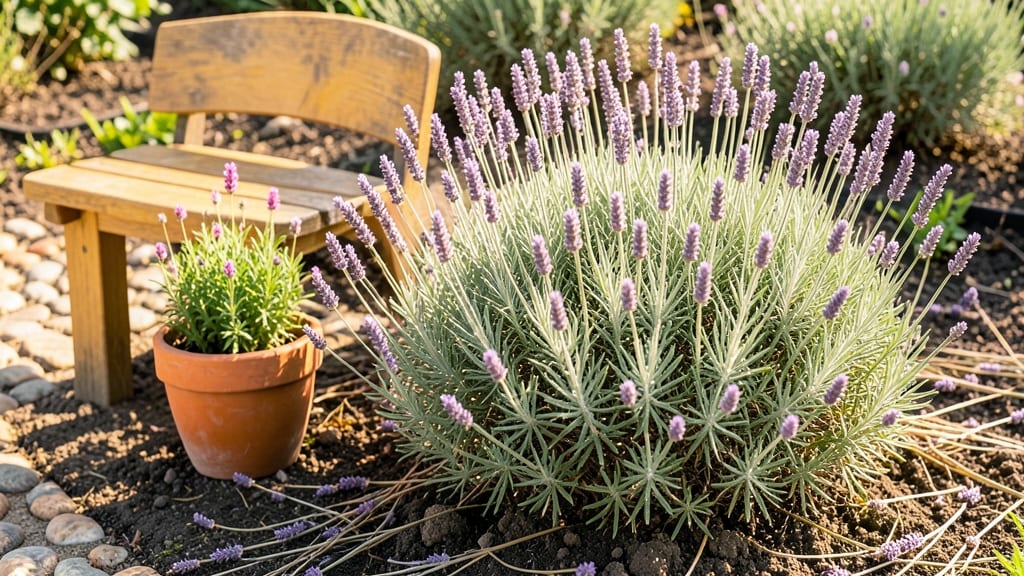
Purpose gardens transform underused spaces into thriving ecosystems that sustain pollinators while growing fresh food for communities. By blending native plants with food crops, they create resilient systems that boost biodiversity and local nutrition.
These gardens aren't just about planting—they're about restoring balance. 🌿 I've seen firsthand how a single well-designed garden can turn a vacant lot into a buzzing hub for bees and butterflies while feeding families with nutrient-rich vegetables.
The key lies in their intentional design: native flowers attract pollinators year-round, while food crops like tomatoes and kale thrive in the same space, creating a self-sustaining cycle that benefits both people and wildlife.
What makes them truly powerful is their adaptability. Whether in urban backyards or rural community plots, these gardens can be scaled to meet local needs—whether that means growing drought-resistant crops in dry climates or planting cold-hardy greens in northern regions.
The best part? They don't require fancy equipment—just good soil, smart planning, and community involvement.
💡 In This Article
- How Purpose Gardens Support Pollinator Survival
- Designing Purpose Gardens for Food Resilience
How purpose gardens support pollinator survival
Here's what's actually happening in these gardens: they act as ecological lifelines by creating pollinator highways. Native plants like milkweed, coneflowers, and goldenrod are strategically planted to provide continuous nectar sources from early spring to late fall.
For example, bee balm blooms from July to September, while wild bergamot starts in June—this overlapping bloom cycle ensures pollinators never face food shortages during migration or breeding seasons. 🌸 The key factor is plant diversity: gardens with 10+ native species support 30% more pollinator species than monoculture plots.
Pesticide-free zones are another game-changer. Studies show that even low levels of neonicotinoids reduce bee colonies by up to 45% within a year. Purpose gardens eliminate these chemicals entirely, creating chemical-free zones where pollinators can thrive.
The absence of pesticides also allows beneficial insects like ladybugs and lacewings to flourish, which help control garden pests naturally.
This creates a balanced ecosystem where food crops grow healthier while pollinator populations rebound—what most people don't realize is that healthy pollinator populations can increase crop yields by 20-30% through better pollination efficiency.
Seasonal blooming cycles are carefully calibrated to match pollinator life stages. For instance, early spring bloomers like crocus provide food for queen bees emerging from hibernation, while late summer flowers support the next generation.
This timing isn't random—it's based on decades of ecological research showing that pollinators have evolved alongside specific plant species. 🐝 In a purpose garden, you might see monarch butterflies laying eggs exclusively on milkweed plants (their sole host plant), which then becomes a protected microhabitat where caterpillars develop safely before metamorphosing into butterflies that'll pollinate other garden plants.
The real magic happens in the pollination networks these gardens create. A single garden can support over 20 pollinator species, including bees, butterflies, hummingbirds, and beetles. Each species plays a unique role—bumblebees pollinate tomatoes more effectively than honeybees, while sphinx moths pollinate night-blooming flowers like evening primrose.
This diversity isn't just good for pollinators; it preserves genetic diversity in plant populations. When multiple pollinator species work together, they create stronger gene flow between plants, helping crops adapt to local conditions and resist diseases more effectively.
Consider this concrete example: a 100-square-foot purpose garden in an urban area can support up to 50,000 bees during peak season. That's equivalent to the population of a small hive!
The garden's design ensures these pollinators have shelter (like hollow stems for solitary bees) and water sources (shallow dishes with pebbles).
This density of pollinators creates what scientists call "pollination spillover," where the benefits extend beyond the garden to neighboring farms and natural areas. 🌿 What starts as a small urban plot can become a critical node in a regional pollination network, demonstrating how local actions can have large-scale ecological impacts.
What most gardeners overlook is how these systems preserve pollinator genetic diversity. In conventional agriculture, monocultures reduce genetic variation, making species more vulnerable to diseases and climate shifts.
Purpose gardens maintain diverse plant populations that support specialized pollinators—like the rusty patched bumblebee, which relies on specific native plants that are disappearing from farmland. By protecting these specialized relationships, purpose gardens become living gene banks for both plants and pollinators, ensuring these species survive for future generations.