Tools
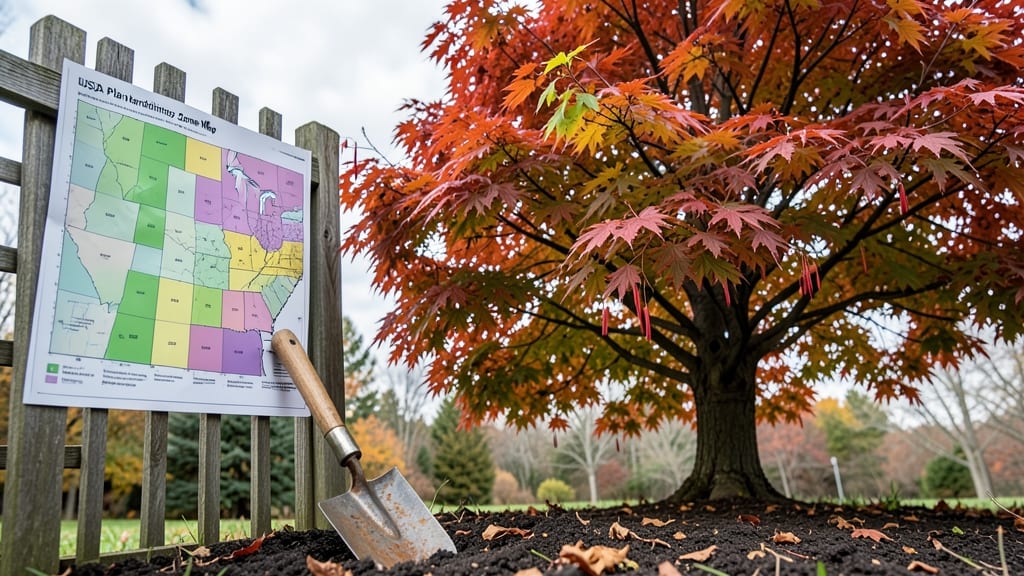
USA garden zones categorize regions by average minimum winter temperatures to determine which plants thrive in your area, using a 10°F increment scale from Zone 1 (coldest) to Zone 13 (warmest). Check your zone via ZIP code tools to select cold-hardy plants and optimize planting schedules.
Understanding your USA garden zones helps you pick the right plants for your climate, avoiding costly mistakes like frost-sensitive crops in cold areas or struggling perennials in heat. 🌱 The USDA updates these zones every 10 years using 30 years of temperature data, which is why your old gardening guides might be outdated.
For example, Zone 5 plants like peonies thrive in my area, while Zone 9 favorites like bougainvillea would freeze without winter protection. Even within a zone, microclimates—like sunny south-facing walls—can create pockets where you can grow plants one zone warmer than the official designation.
This system isn't just about survival—it's about peak performance. Plants in their ideal zone grow faster, flower more abundantly, and resist pests better. I always cross-reference my zone with the last frost date in my area to time plantings perfectly.
For instance, in Zone 6, tomatoes need to go in after May 15th, while in Zone 9, they can start as early as February 1st. The zone map is your first tool, but local nurseries and experienced gardeners often share insider tips for pushing boundaries.
💡 In This Article
- How USDA Plant Hardiness Zones Are Calculated
- Choosing Plants Based on Your Garden Zone
How USDA plant hardiness zones are calculated
The USDA Plant Hardiness Zone Map relies on 30 years of historical temperature data from weather stations across the country. Scientists analyze the average annual extreme minimum temperature—the coldest temperature expected to occur once every 10 years.
This isn't just the average winter low, but the harshest cold snap your area typically endures. For example, Zone 5 experiences -15°F to -20°F as its baseline, while Zone 9 rarely drops below 20°F to 25°F. 🌡️
Data collection involves thousands of weather stations recording temperatures at 4.5 feet above ground—the standard height for plant exposure. The USDA then uses complex algorithms to smooth out local variations and create consistent boundaries. What's fascinating is how these zones shift over time.
Since the 1990 USDA map, many areas have moved half a zone warmer due to climate change—some regions even a full zone in just 30 years. This shift explains why your grandmother's gardening advice might no longer apply!
Here's where microclimates come into play—they can create 5°F to 10°F differences within just a few yards. A south-facing wall might be Zone 7 when the official map says Zone 6, while a low-lying area could be colder.
This is why gardeners in urban areas often see urban heat islands allowing plants to thrive one zone warmer than rural surroundings. The USDA map provides a baseline, but your actual growing conditions might require adjustments.
Every 10 years, the USDA updates the map using the most recent climate data. The 2023 update incorporated 2012-2021 temperature records, revealing significant warming trends.
For instance, Zone 6 now covers 27% more area than in 1990, while Zone 10 has expanded northward in states like Virginia and Tennessee. These changes reflect both climate change and improved data collection methods that capture more precise temperature patterns.
The zone calculation process also accounts for diurnal temperature ranges—the difference between day and night temperatures—which affects plant stress levels. Areas with large swings (like desert climates) may have different growing challenges than those with moderate variations.
This is why some plants labeled for Zone 5 might struggle in a Zone 5 desert location compared to a Zone 5 temperate region. The system accounts for these nuances through extensive field testing of plant survival rates.
What most people don't realize is that the USDA zones focus solely on winter hardiness, not summer heat tolerance. That's why you'll see plants labeled for Zone 9 that might still struggle in Phoenix's 110°F+ summers.
The zones provide a starting point, but successful gardening requires understanding your full climate profile—both the coldest winters and hottest summers. This layered approach explains why some gardeners in Zone 7 can grow tropical plants with summer watering and winter protection. 🌿