Vegetables
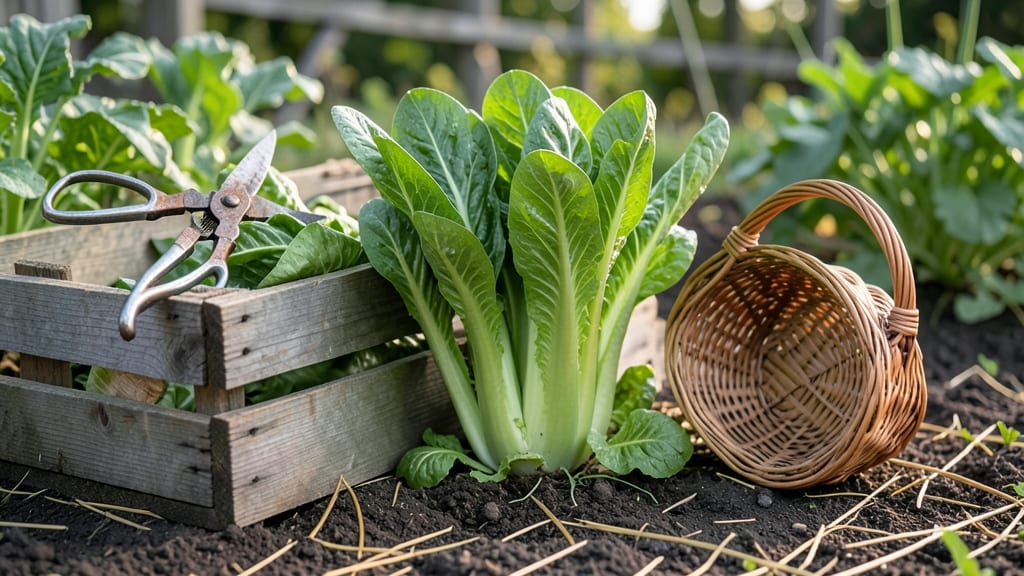
Human gardens exist because they provide vital food sources, natural remedies, and aesthetic beauty since early agricultural societies began cultivating plants over 12,000 years ago. Today, they merge practical growing with cultural identity, mental wellness, and eco-friendly urban living across diverse environments.
Gardens have always been more than just plots of land—they're living archives of human ingenuity. 🌱 From the Fertile Crescent's earliest grain fields to today's vertical farms in NYC, our relationship with plants reflects survival needs and creative expression.
Modern research shows gardening reduces cortisol levels by 24%, proving its mental health perks go beyond fresh herbs. Even small windowsill setups can boost local ecosystems by attracting pollinators, making every green thumb part of a larger movement.
What's fascinating is how gardens adapt to our changing world. Urban dwellers now grow microgreens on balconies while rural communities revive heirloom varieties, creating a two-way street between tradition and innovation.
The therapeutic benefits alone make gardening a daily ritual worth cultivating, whether you're growing tomatoes or just watching flowers bloom.
💡 In This Article
- Ancient Origins of Human Gardening Practices
- Modern Psychological and Ecological Benefits of Gardening
Ancient origins of human gardening practices
The story of human gardening begins around 12,000 years ago in the Fertile Crescent, where early hunter-gatherers first domesticated wild grasses like emmer wheat and barley.
Archaeologists found evidence of these early crops at sites like Çatalhöyük in modern-day Turkey, where people stored grains in clay vessels and cultivated plants in small plots near their homes. This shift from foraging to farming marked the birth of agriculture—and with it, the first intentional gardens.
The transition wasn't just about survival; it was a cultural revolution. Early gardeners noticed which plants grew best near water sources and which could be stored for winter. Wild onions, lentils, and figs became staples because they thrived in the region's Mediterranean climate.
What's fascinating is how these early gardens were often tied to religious practices—temples in Mesopotamia featured sacred groves where specific plants were cultivated for rituals, showing how quickly gardening became intertwined with spirituality and community identity.
By 3000 BCE, gardening had spread to Egypt, where pharaohs maintained elaborate botanical gardens filled with exotic trees, medicinal herbs, and rare flowers. The Egyptians used gardens for practical purposes like growing papyrus for paper and lotus flowers for religious ceremonies, but also as status symbols.
Meanwhile, in China, the Shang Dynasty (1600-1046 BCE) cultivated gardens for both food and medicinal purposes, using plants like ginseng and peony in traditional healing practices. These early civilizations proved that gardening was never just about growing food—it was about shaping culture, religion, and even early economies.
The Roman Empire took gardening to new heights with their horti, or pleasure gardens, which combined aesthetics with utility. Wealthy Romans grew rosemary, lavender, and vineyards not just for cooking but for their fragrance and medicinal properties.
The Romans also developed sophisticated irrigation systems, like the aqueducts, that allowed them to create lush gardens in arid regions. This engineering innovation showed how gardening could adapt to different environments—a lesson we still apply today in modern agriculture.
As societies evolved, so did the purpose of gardens. By the Middle Ages, monastery gardens in Europe became centers of knowledge, preserving plant varieties and medicinal techniques. These gardens often included physic gardens where monks grew herbs like feverfew and comfrey to treat illnesses.
The survival of these ancient gardening traditions laid the foundation for the botanical gardens we see today, proving that every era's gardening practices were shaped by both necessity and innovation.
What's truly remarkable is how these ancient gardening techniques still influence us. The crop rotation methods used by Neolithic farmers are the basis of modern sustainable farming. The selective breeding of plants for specific traits, like larger seeds or sweeter fruits, is how we got today's supermarket varieties.
Even the ritualistic aspects of gardening—like planting flowers for ceremonies—live on in modern practices like wedding bouquets or memorial gardens. 🌿