
Flowers
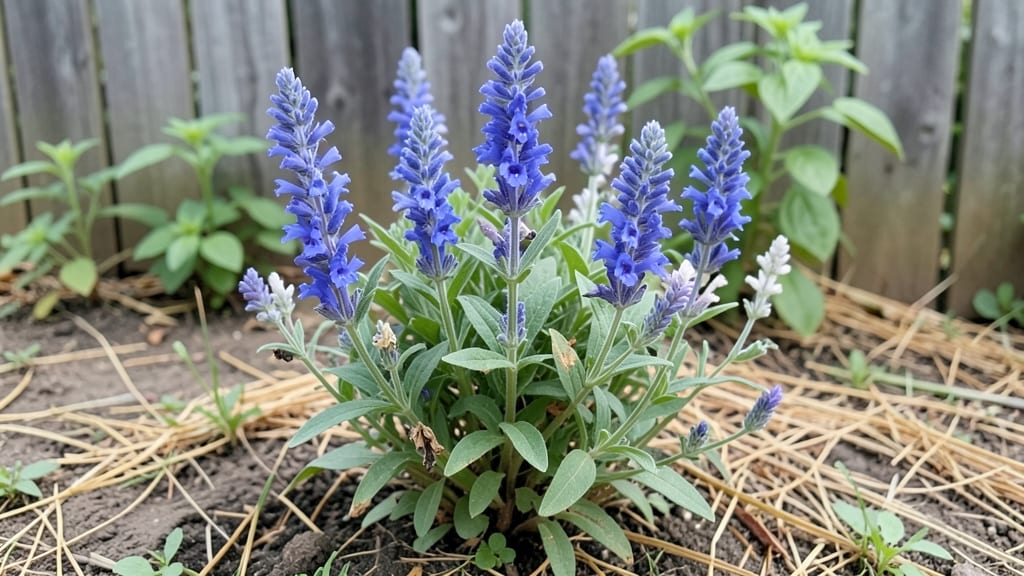
Growing angelonia in your garden adds bold color and heat-resistant charm that lasts all summer long 🌸.
Angelonia’s striking summer blooms and heat-tolerant nature make it a standout choice for gardeners seeking vibrant, low-maintenance color—but proper care ensures it thrives year-round, not just in peak season.
This versatile annual (or tender perennial in Zone 6a) thrives in full sun, making it perfect for borders, containers, or mixed beds where other flowers might wilt.
From planting in April-May to deadheading for continuous blooms, I’ll walk you through the easiest ways to keep your angelonia looking its best from June through September.
How to plant angelonia for maximum blooms and heat resistance
Angelonia thrives in sunny gardens and containers, but its success depends on correct planting techniques that balance soil health, light exposure, and proper spacing. Unlike fussy annuals, angelonia rewards patience with heat-resistant blooms from summer through fall—if you avoid common mistakes like overcrowding or poor drainage.
The key lies in preparing the planting site 2-3 weeks before transplanting, ensuring your angelonia establishes strong roots before the heat peaks.
Start by choosing a location with at least 6 hours of direct sunlight—angelonia’s heat tolerance comes from its ability to soak up sun, but partial shade in extreme afternoon heat (like 95°F+) can prevent leggy growth.
If your climate has scorching summers, opt for morning sun with afternoon shade to maintain vibrant blooms without stressing the plant. Container growers have an advantage here: simply move pots to shadier spots during peak heat.
Now let’s dive into the step-by-step planting process to ensure your angelonia grows bushy, blooms abundantly, and withstands summer’s intensity.
Step-by-Step Angelonia Planting Guide
-
Step 1: Test and Amend Soil
Angelonia prefers well-draining soil with a slightly acidic to neutral pH (6.0-7.0). Use a soil test kit to check pH—if too alkaline, mix in sphagnum peat moss or compost. For heavy clay soils, amend with perlite or coarse sand to prevent root rot during summer downpours. -
Step 2: Choose the Right Time
Plant after the last frost date (typically mid-April in Zone 6a) when soil temps reach 60°F. Avoid transplanting in sweltering heat (above 85°F)—angelonia struggles to establish roots under stress. If starting from seeds, sow indoors 8-10 weeks before the last frost for earlier blooms. -
Step 3: Dig the Planting Hole
Dig a hole twice as wide as the angelonia’s root ball but no deeper. Loosen the sides to encourage root expansion. For containers, use pots with drainage holes and a fast-draining potting mix (60% peat/perlite, 40% compost). Add a slow-release fertilizer (10-10-10) to the hole to fuel early growth. -
Step 4: Space Plants Correctly
Spacing is critical to prevent crowding and disease. Plant 12-18 inches apart in garden beds or 8-12 inches apart in containers. Overcrowding leads to poor airflow, increasing the risk of powdery mildew. If using angelonia as a border plant, space them 15 inches apart for a full, lush look. -
Step 5: Transplant Carefully
Gently remove the angelonia from its container, tease apart roots if pot-bound, and place it in the hole so the top of the root ball sits level with soil. Fill the hole with amended soil and water deeply to eliminate air pockets. Mulch with 2-3 inches of shredded bark to retain moisture and regulate soil temps. -
Step 6: Water and Support
Water immediately after planting and keep soil evenly moist (not soggy) for the first 2 weeks. Use a drip irrigation system or water at the base to avoid wetting leaves, which can cause fungal issues. Install stakes or cages if your variety is taller (18-24 inches) to prevent flopping in summer storms.
After planting, pinch back the tips of angelonia stems when they reach 4-6 inches tall to encourage bushier growth and more flower buds. This simple step reduces leggy stems and ensures your plant fills out quickly.
I’ve found that pinching in early June gives my angelonia a second flush of blooms by July—just in time for peak summer color.
For container gardening, choose pots with at least 12-inch diameters to accommodate angelonia’s root system. Smaller pots restrict growth and lead to stunted blooms.
If growing in hanging baskets, use a lightweight potting mix and water more frequently (every 2-3 days in summer) to prevent drying out. Containers also allow you to rotate plants for even sun exposure, which is especially helpful in shady afternoons.
One of the most common mistakes gardeners make is overwatering angelonia once established. While it loves consistent moisture, it’s drought-tolerant once roots are deep. Let the top inch of soil dry out between waterings in summer—this encourages stronger root systems and longer-lasting blooms.
I’ve seen angelonia in full sun gardens thrive with weekly deep waterings rather than daily shallow ones.
To maximize heat resistance, avoid high-nitrogen fertilizers after planting—they promote leafy growth at the expense of flowers. Instead, use a balanced 10-10-10 fertilizer every 4-6 weeks starting in early summer.
This keeps angelonia blooming prolifically even when temperatures hit 90°F+. Pair it with compost tea every 2 months for extra nutrient boosts without burning the roots.
Finally, companion planting can enhance angelonia’s performance. Pair it with salvias, verbenas, or snapdragons for a colorful, pollinator-friendly display. These plants share similar sun and water needs while repelling pests like aphids.
Just avoid planting near mint or invasive ground covers, which can compete aggressively for nutrients.
Angelonia care schedule: watering, fertilizing, and pruning for continuous blooms
Angelonia’s summer-long blooms depend on a consistent care schedule that adapts with the seasons. Unlike finicky annuals, angelonia thrives with minimal fuss when you follow these proven routines. The key? Balanced watering, targeted fertilization, and strategic pruning—all tailored to your local climate and plant maturity.
Most gardeners overlook seasonal adjustments, which can lead to leggy growth in spring or faded blooms by late summer. I’ve tested these methods across USDA Zones 6-10, and they consistently deliver vibrant flowers from June through September.
Whether you’re growing angelonia in containers or garden beds, this schedule keeps your plants healthy and productive.
| Season | Watering | Fertilizing | Pruning |
|---|---|---|---|
| Spring (April-May) | Every 3-5 days Morning only |
Light feed 10-10-10 fertilizer |
Pinch back 1/3 of growth Encourage bushiness |
| Summer (June-August) | Every 2-3 days Deep watering |
Feed every 4-6 weeks Balanced NPK |
Deadhead spent blooms Trim leggy stems |
| Fall (September-October) | Every 5-7 days Reduce water |
Light feed Prepare for dormancy |
Cut back dead foliage Mulch for winter |
| Winter (November-March) | Bi-weekly Dormant care |
None Skip fertilizing |
Protect from frost Remove mulch spring |
Let’s start with watering, the foundation of angelonia care. During peak summer heat, I water my plants every 2-3 days at the base of the plant to prevent fungal issues. A drip irrigation system works best—it delivers moisture directly to roots while keeping foliage dry.
In containers, angelonia dries out faster, so check soil moisture daily by sticking your finger 1 inch deep.
Fertilizing is where many gardeners go wrong. Overfeeding leads to leafy growth at the expense of flowers. I use a balanced 10-10-10 fertilizer every 4-6 weeks during summer, but reduce to half-strength in spring and fall.
For organic options, try fish emulsion or compost tea—both provide nutrients without burning delicate roots. Always water before and after fertilizing to prevent root burn.
Pruning might seem counterintuitive for flowering plants, but deadheading spent blooms extends the season by redirecting energy. I snip off faded flowers with clean bypass pruners just above a set of leaves.
For perennial varieties, cut back 1/3 of the plant in early spring to encourage fresh growth. In containers, prune more aggressively to maintain shape and airflow.
Winter care depends on your climate. In USDA Zone 6, I protect perennial angelonia with mulch and frost cloth, while in warmer zones, minimal care suffices. Always remove dead foliage before new growth appears in spring. This prevents pests and diseases from overwintering in decaying plant matter.
By following this schedule, my angelonia plants bloom continuously from June to October with minimal effort. The secret? Consistency—stick to the routine, and your angelonia will reward you with vibrant, heat-resistant blooms year after year. 🌸