
Tools
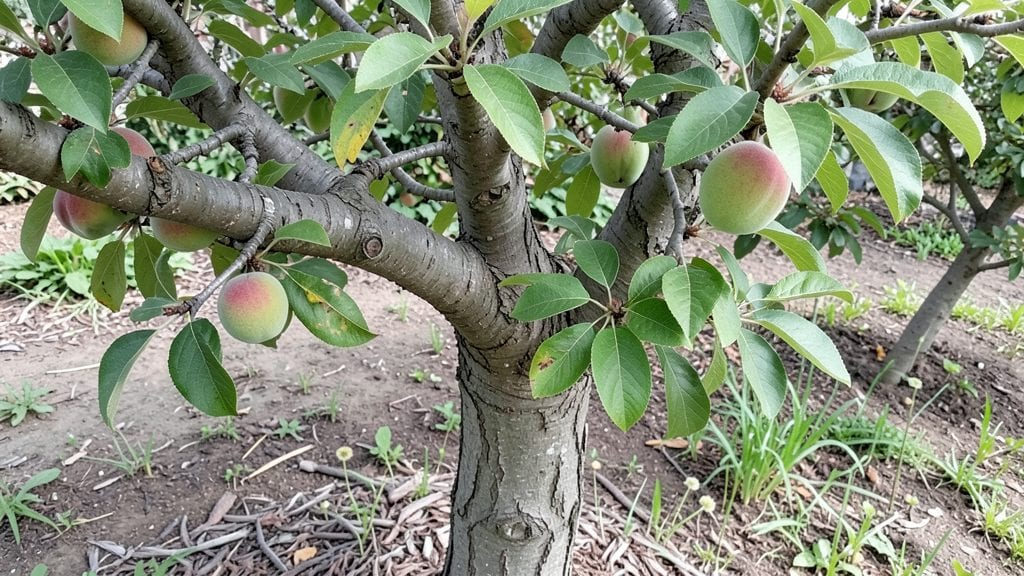
My peach tree garden became the heart of my backyard after I realized how much more than fruit these trees offer—year-round privacy, spring blossoms, and summer shade all wrapped in one. 🌸 The key was treating them as both functional and decorative, not just as fruit producers.
I planted three semi-dwarf varieties in a staggered row, spaced 15 feet apart, creating a living screen that blocks nosy neighbors while still letting light filter through.
Companion planting turned this from a good idea into a showstopper. Underneath the trees, I layered shade-tolerant perennials like hostas and ferns, while along the edges, I added lavender and rosemary for fragrance and pest control. The result?
A garden that looks intentional all year—spring’s delicate pink blooms, summer’s lush foliage, and even winter’s bare branches framed by evergreen shrubs. The peaches are a bonus, but the real magic is how the space feels.
You’ll end up with a backyard that’s both productive and peaceful—where kids can play under the dappled shade, you can enjoy morning coffee surrounded by fragrance, and the whole neighborhood will ask how you made it look so effortless.
The secret isn’t complicated: good spacing, the right understory plants, and a little seasonal planning. Let’s design yours.
This works equally well in suburban yards, rural homesteads, or even large urban lots with space for dwarf varieties. The only real rule? Start with healthy trees and give them room to grow into their full potential. That’s where the real transformation happens.
📚 In This Guide
- What you need
- Instructions
- Tips and common mistakes
- Wrapping up and next steps
What you need
- ● Peach tree saplings: 3–5 disease-resistant varieties (e.g., 'Elberta,' 'Redhaven,' or 'J.H. Hale') for optimal spacing (15–20 ft apart). Choose dwarf varieties (8–10 ft) if space is limited.
- ● Soil: Well-draining, slightly acidic loam (pH 6.0–6.5). Test your soil and amend with compost (1–2 bags per tree) or peat moss if needed.
- ● Fertilizer: Balanced 10-10-10 or citrus-specific fertilizer (follow package rates for young trees). Avoid high-nitrogen blends.
- ● Mulch: 2–3 inches of wood chips or straw to retain moisture and suppress weeds (cover a 3-ft radius around each tree).
- ● Stakes & ties: 4–6 ft wooden or metal stakes + soft garden ties to support young trees during wind.
- ● Watering system: Drip irrigation kit (with emitters) or soaker hoses for deep, consistent watering.
- ● 5-gallon watering can (for hand-watering seedlings).
- ● Pruning tools: Bypass pruners (for small branches).
- ● Loppers (for thicker branches, 3/4"–1.5" diameter).
- ● Hand saw (for stubborn branches >1.5").
- ● Protective barriers: Tree guards (plastic or metal) to deter pests and animals.
- ● Soil aerator: Core aerator to improve drainage in compacted soil.
- ● Epsom salt: 1 tbsp per tree (mixed with water) for magnesium boost during fruiting season.
- ● Pest control: Neem oil spray or horticultural oil for early pest prevention.
- ● Fruit thinning shears: For managing peach crop load in later years.
- ● Garden gloves & knee pads: For comfort during planting and maintenance.
Step-by-step guide to planting a peach tree privacy screen
Here's how to create a lush, seasonal privacy screen that thrives year-round.
🌱 Step 1: Choose the Right Location and Prepare the Soil
Peach trees need full sun—at least 6-8 hours daily—so pick a spot where they'll get morning light and afternoon shade if possible. Avoid low areas where cold air settles, as peach trees are frost-sensitive. Test your soil's pH (aim for 6.0-7.0); if it's too acidic, amend with lime before planting.
Dig a hole twice as wide as the root ball but no deeper. Loosen the sides to encourage root spread. Mix the native soil with 3-4 inches of compost and a handful of balanced fertilizer (10-10-10) at the bottom of the hole. This gives roots a nutrient boost right from the start.
🪴 Step 2: Plant Trees at the Correct Depth and Spacing
Place the tree in the hole so the graft union (the bump near the base) sits 2-3 inches above soil level. This prevents soil from covering the graft and causing new growth below it. Spread the roots gently outward—don’t bend them—and fill the hole halfway with soil, tamping lightly to remove air pockets.
Space trees 15-20 feet apart for a dense screen. Water deeply as you fill the hole, settling the soil in layers. After planting, water again to ensure the root ball is fully hydrated. Mulch with 2-3 inches of wood chips, keeping it 6 inches away from the trunk to prevent rot.
☀️ Step 3: Water and Protect New Growth
Water deeply 2-3 times per week for the first month, then taper to once a week once established. Peach trees hate soggy roots, so ensure good drainage. Install a tree guard or wire cage around each trunk to deter rabbits and deer, which love young peach trees.
Prune any broken branches immediately, but avoid heavy pruning in the first year. Let the tree focus on root growth. In late winter (before buds swell), prune to remove dead wood and shape the canopy. This encourages stronger growth and better fruit production later.
⏰ Step 4: Seasonal Care for Year-Round Beauty
In spring, apply 1 pound of 10-10-10 fertilizer per inch of trunk diameter around the drip line. Bloom time is critical—peach trees need 50-100 chill hours (below 45°F) to set fruit. If your climate lacks chill, choose low-chill varieties like 'Redhaven' or 'Elberta'.
Summer care is mostly about watering—deep, infrequent soaks encourage deep roots. Thin fruit in early summer to 6-8 inches apart for larger, higher-quality peaches. In fall, apply a 2-3 inch layer of mulch to insulate roots and retain moisture. Remove fallen fruit to prevent disease buildup.
Tips & tricks for perfect peach tree privacy screens
Creating a thriving peach tree privacy screen takes a little extra care—here's how to give your trees the best start.
Location is Everything: That 6-8 hours of full sun is non-negotiable for healthy peach trees. I always scout locations in late afternoon when shadows are longest—this helps me visualize how sunlight will move across the area. Morning sun helps prevent fungal issues, while afternoon shade protects delicate blossoms from scorching. Trust me on this: a spot with afternoon shade will give you better fruit set and fewer heat-stressed leaves.
Root Ball Preparation: When you're loosening the sides of that planting hole, think of it like fluffing a pillow—you want to create space for roots to spread outward naturally. I like to use my hands to gently break up soil clumps rather than a shovel, which can compact the soil again. That 3-4 inches of compost and fertilizer mix at the bottom creates a nutrient-rich zone that roots will immediately seek out, giving them a strong foundation right from planting day.
Graft Union Placement: That 2-3 inches above soil level for the graft union is critical—it's where the tree's strength comes from. I mark the union with a piece of tape before planting so I can verify it's at the right height. If buried too deep, the tree will produce suckers below the graft; if too high, it may dry out. After planting, I always do a quick visual check before backfilling to ensure that bump is clearly visible above the soil line.
Watering Strategy: Those first 2-3 weeks of deep watering are when your trees are most vulnerable. I set a timer for every 2 days at the same time to ensure consistency—peach trees hate irregular watering patterns. A good test is to stick your finger in the soil about 2 inches deep; if it's dry, it's time to water. And remember, deep watering means letting the water penetrate at least 12 inches down—shallow watering just encourages shallow roots.
Pro Tips for Peach Tree Garden
- Creating a thriving peach tree privacy screen takes a little extra care—here's how to give your trees the best start.
- Location is Everything: That 6-8 hours of full sun is non-negotiable for healthy peach trees.
- Root Ball Preparation: When you're loosening the sides of that planting hole, think of it like fluffing a pillow—you want to create space for roots to spread outward naturally.
Frequently asked questions
Got questions about creating your own peach tree garden privacy screen? Here are some of the most common ones—and their answers!
How long does it take for a peach tree to grow into a privacy screen?
A peach tree can start providing light privacy within 2–3 years with proper care, but full coverage (10–15 feet tall) typically takes 5–7 years. Dwarf varieties mature faster (3–5 years), while standard trees take longer. Plant in early spring for the best head start!
Can peach trees survive in cold climates?
Peach trees thrive in USDA Zones 5–9, but cold-hardy varieties (like ‘Reliance’ or ‘Redhaven’) can handle brief dips to –15°F. In colder zones, plant near a south-facing wall, mulch heavily, and choose late-blooming cultivars to avoid spring frosts. Microclimates (like near buildings) help too!
Do peach trees need a lot of maintenance?
Yes—but it’s manageable! Prune annually to shape the tree and remove dead branches (). Thin fruit in early summer to avoid overburdening the tree. Watch for pests (aphids, peach tree borers) and diseases (leaf curl). With consistent watering and mulching, they’re low-effort once established.
What’s a good alternative if I don’t want fruit?
If you love the look but not the fruit, try ornamental peach trees (like ‘Bonanza’ or ‘Frost’) bred for flowers and foliage. Other privacy-screen options include cherry trees (for blooms), hazelnut shrubs (edible + dense), or ornamental plums—all with similar seasonal interest!
Why are my peach tree leaves turning yellow?
Yellow leaves often signal overwatering or nutrient deficiencies (like nitrogen or iron). Check soil moisture—peach trees prefer well-draining soil. Yellowing between veins? Likely iron chlorosis (common in alkaline soil). Amend soil with compost or use chelated iron. Pests (like spider mites) can also cause stress!
Do peach trees lose leaves in winter?
Yes! Peach trees are deciduous and shed leaves in fall/winter. This is normal—don’t panic! They’ll regrow in spring. Evergreen alternatives (like Arborvitae) stay green year-round but lack the spring blooms and fall color of peach trees.
How far apart should I plant peach trees for a privacy screen?
| Tree Type | Spacing (feet) |
|---|---|
| Dwarf varieties | 8–10 ft |
| Semi-dwarf | 12–15 ft |
| Standard trees | 18–25 ft |
For a tighter hedge, space closer (6–8 ft) but expect slower growth. Mulch and water deeply to encourage root spread!
Wrapping up and next steps
A peach tree garden isn’t just a dream—it’s a vibrant, year-round solution for privacy, beauty, and even fresh fruit! 🌸 From delicate spring blooms to lush summer foliage and golden autumn hues, your peach trees will keep your space feeling cozy and stylish.
Plus, with the right care, you’ll enjoy delicious harvests for years to come.
Ready to transform your outdoor space? Start by sketching your layout, gathering your tools, and planting your first trees this season. Your future self (and your neighbors!) will thank you. Happy gardening! 🌱