
Tools
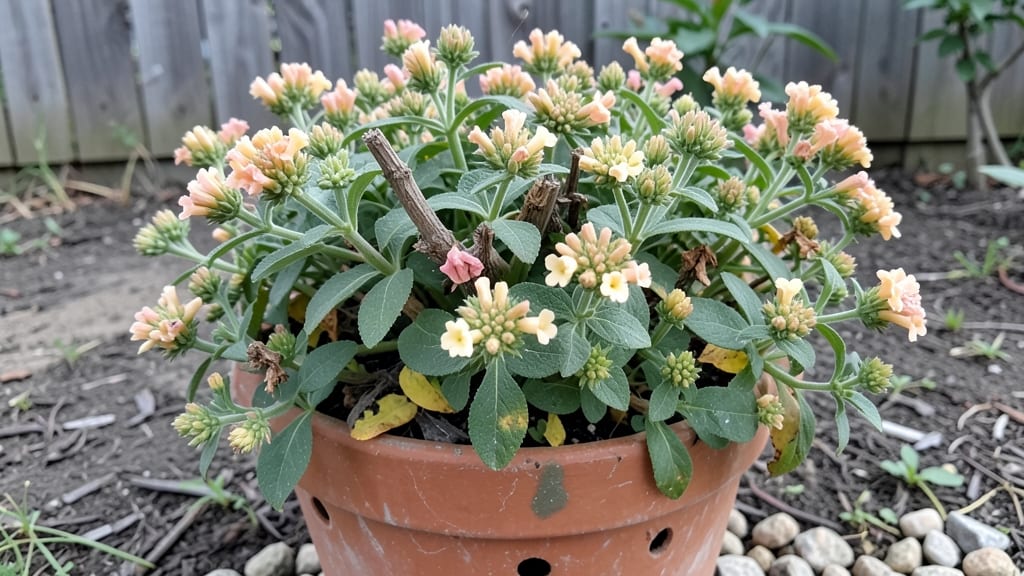
Your apartment terrace garden could become the envy of the neighborhood with the right plant choices and clever layout. I transformed my 6x8-foot balcony from a concrete slab into a lush, functional space where herbs grow within arm’s reach and flowers spill over the edges—all without sacrificing my tiny kitchen.
The key isn’t just picking small plants; it’s designing for movement, storage, and year-round interest, even in a city apartment.
Start with vertical space—trellises, wall planters, and hanging baskets turn dead walls into green backdrops. My go-to plants include compact rosemary in terracotta pots, cherry tomatoes in fabric grow bags, and trailing ferns that soften the edges.
A foldable bistro set tucked into one corner doubles as storage when not in use, and a few LED string lights turn evenings into cozy gatherings. The best part? You can swap out seasonal displays without breaking the bank.
By summer, you’ll be harvesting basil for pesto and admiring blooms that attract butterflies right outside your door. In winter, evergreens and citrus-scented plants keep the space vibrant while a small greenhouse tray extends the growing season.
The terrace becomes more than decor—it’s a retreat where every inch works harder than it looks.
Whether you’re dealing with shade, wind, or just limited square footage, these strategies adapt to any urban space. Let’s make your balcony the green escape you’ve been dreaming of—without needing a yard.
📚 In This Guide
- What you need
- Instructions
- Tips and common mistakes
- Wrapping up and next steps
What you need
- ● Containers: 1–3 10–20 gallon pots (for herbs, small plants)
- ● 1–2 large planters (20–30 gallons) (for shrubs, small trees)
- ○ 1 raised bed or window box (optional, for modular gardening)
- ● Soil & Fertilizer: 5–10 bags of high-quality potting mix (sterile, well-draining)
- ● 1–2 slow-release fertilizer pellets (or liquid fertilizer)
- ● 1 organic compost (for nutrient boost)
- ● Drainage: 1–2 drainage trays or saucers (to catch excess water)
- ● 1 roll landscape fabric (to prevent soil clogging)
- ● Basic Tools: 1 trowel or small shovel (for planting)
- ● 1 pruning shears (for trimming)
- ● 1 watering can or hose with spray nozzle
- ● 1 gloves (to protect your hands)
- ● Decorative elements: Solar-powered lights, trellises, or wind chimes
- ● Self-watering planters (for busy gardeners)
- ● Mulch (to retain moisture and suppress weeds)
- ● Plant markers (to label your greens)
Step-by-Step instructions for creating an apartment terrace garden
Transform your small outdoor space into a thriving garden with these simple, space-efficient techniques.
Assess Space and Sunlight Patterns
Start by measuring your terrace and mapping sunlight exposure throughout the day. Most urban balconies receive uneven light, so I recommend placing taller plants along the north or west edge where they won't shade shorter varieties. Use a small tape measure to mark potential planting zones—aim for at least 12 inches of depth for most herbs and greens, while trailing plants like nasturtiums can spill over edges in shallower containers.
Observe your space for 2-3 days to track sunlight patterns. Note which areas get full sun (6+ hours), partial sun (3-6 hours), and shade (less than 3 hours). This will determine which plants thrive where. For example, basil and rosemary need full sun, while lettuce and spinach prefer partial shade. Jot down these observations so you can match plants to their ideal conditions later.
Choose the Right Containers and Drainage
Select containers that match your space and plant needs—4-6 gallon pots work well for most vegetables and herbs, while hanging baskets (2-3 gallon size) are perfect for trailing plants like strawberries or cherry tomatoes. I prefer lightweight materials like fiberglass or plastic for easy moving, but unglazed terra cotta adds a rustic look while allowing excess moisture to evaporate.
Ensure every container has multiple drainage holes—this prevents root rot, which is a common killer in small-space gardens. If your chosen pots lack holes, drill 2-3 additional holes in the bottom using a 1/4-inch bit. Place a piece of mesh or broken pottery over each hole to keep soil in place while allowing water to escape freely. This small step saves you from soggy soil and struggling plants down the line.
Prepare Soil and Plant with Purpose
Fill your containers with a high-quality potting mix—avoid garden soil, which compacts easily in pots and drains poorly. Mix in a slow-release fertilizer (like 1 tablespoon per gallon of soil) to give your plants a nutrient boost without frequent feedings. For 4-gallon pots, you’ll need about 3-4 cups of potting mix per container, leaving 1 inch of space at the top for watering.
Plant in layers for a fuller, more productive garden. Start with taller plants (like dwarf tomatoes or peppers) in the back or center of larger pots. Add mid-height plants (such as basil or Swiss chard) around them, and fill gaps with trailing or low-growing varieties (like thyme or lettuce). This vertical approach maximizes space and creates visual interest. Water gently after planting to settle the soil around roots, but avoid soaking—you want the soil to be moist but not waterlogged.
Water and Maintain for Year-Round Growth
Water deeply 2-3 times per week, depending on your climate and container size. Stick your finger 1 inch into the soil—if it feels dry, it’s time to water. I use a watering can with a narrow spout to direct moisture to the roots without disturbing the soil surface. Early morning is the best time to water, as it reduces evaporation and gives plants time to absorb moisture before the heat of the day.
Fertilize every 4-6 weeks with a balanced liquid fertilizer (like 10-10-10) to keep plants thriving. For herbs and greens, I halve the recommended dose to avoid overfeeding, which can lead to leggy growth. Prune regularly to encourage bushier plants—pinch back the tips of herbs like basil and mint to promote fuller growth. If you notice leaves yellowing or plants wilting, it’s often a sign of overwatering or poor drainage, so adjust your care routine accordingly.
Extend the Season with Simple Tricks
To enjoy greenery year-round, use frost blankets or row covers in fall and early spring to protect tender plants from cold snaps. For winter gardening, focus on cold-hardy varieties like kale, spinach, and hardy herbs (parsley, chives). In summer, provide afternoon shade for heat-sensitive plants like lettuce by placing a lightweight shade cloth over their containers. This small adjustment can keep your garden productive for months longer.
Rotate plants every 2-3 weeks to ensure even sunlight exposure. This prevents plants from leaning toward the light and keeps your terrace garden looking balanced. If space allows, swap containers between neighbors to give each plant a fresh perspective. This also helps you spot pests or nutrient deficiencies early. A well-maintained terrace garden isn’t just functional—it’s a living, evolving space that reflects your care and creativity.
Tips & tricks for perfect apartment terrace gardens
Creating a thriving terrace garden in limited space takes a few key strategies that make all the difference. Here's what I've learned from years of transforming small balconies into lush green spaces.
Sunlight Mapping Matters: In Step 1, don't just guess about sunlight—actually track it for 2-3 days. I've seen too many gardens fail because people assumed their space got full sun when it was actually partial. Use a simple app or just observe when shadows move across your terrace. This precision helps you place sun-loving basil and rosemary in the right spots while protecting lettuce from too much afternoon heat.
Container Depth is Critical: When selecting containers in Step 2, remember that 12 inches of depth is the minimum for most herbs and greens. I once planted mint in a shallow decorative pot and it struggled to establish roots properly. For 4-6 gallon pots, check the depth measurement—some decorative pots look big but have shallow bases. This small detail prevents root-bound plants and ensures healthy growth throughout the season.
Layering Creates Visual Impact: The vertical planting approach in Step 3 transforms ordinary containers into stunning displays. I recommend starting with taller plants like dwarf tomatoes in the center, then adding mid-height varieties like Swiss chard around them, and finally filling gaps with trailing thyme. This creates natural tiers that draw the eye upward. Plus, it makes harvesting easier—you won't have to dig through smaller plants to reach what you need.
Watering Wisdom: The 2-3 times per week guideline in Step 4 works well, but timing matters just as much. I've found that watering in the early morning gives plants time to absorb moisture before the heat of the day. For containers, I also recommend using a watering can with a narrow spout—it helps direct water to the roots without disturbing the soil surface. This prevents evaporation and keeps your terrace garden looking neat and tidy.
Pro Tips for Apartment Terrace Garden
- Creating a thriving terrace garden in limited space takes a few key strategies that make all the difference.
- Sunlight Mapping Matters: In Step 1, don't just guess about sunlight—actually track it for 2-3 days.
- Container Depth is Critical: When selecting containers in Step 2, remember that 12 inches of depth is the minimum for most herbs and greens.
Frequently asked questions
Got questions about transforming your terrace into a lush urban garden? Here are some answers to help you get started—no green thumb required!
How much sunlight does an apartment terrace garden need?
Most plants thrive with at least 6 hours of sunlight daily, but the amount varies by plant. Leafy greens and herbs (like basil or parsley) tolerate partial shade (3–4 hours), while tomatoes and peppers need full sun (6+ hours). Check your terrace’s sun exposure before choosing plants—use a sunlight tracker app if unsure!
What’s the best way to water a terrace garden without overwatering?
Use self-watering planters or drip irrigation for consistency, especially if you travel often. Water in the early morning to reduce evaporation, and check soil moisture with your finger—top 1–2 inches should be dry before watering again. Mulch (like straw) helps retain moisture and cuts down on weeds. Pro tip: Group plants with similar water needs together!
Can I grow a terrace garden in a small space or just a balcony?
Even a 6-inch-wide planter can grow herbs like mint or chives. For balconies, use vertical gardens (wall-mounted planters), hanging baskets, or tiered shelves to maximize space. Dwarf varieties of veggies (e.g., bush beans, cherry tomatoes) are perfect for tight spots. Think up, not just out!
How do I keep pests away from my terrace garden?
Prevent pests with natural barriers like copper tape (for slugs) or neem oil spray (for aphids). Encourage beneficial insects (like ladybugs) by planting marigolds or lavender. Avoid chemical pesticides—they can harm pollinators. Quick fix: Remove affected leaves promptly and isolate infested plants to stop the spread.
What plants survive winter in a terrace garden?
Cold-hardy options include kale, spinach, Swiss chard, and hardy herbs (thyme, rosemary). For tender plants (like basil), bring them indoors or use frost blankets to protect them. Evergreen shrubs (e.g., boxwood) add year-round structure. Bonus: Everbearing strawberries can produce fruit in early spring if planted in fall!
Do I need special tools for a terrace garden?
Start with basics: a small trowel, pruners, and gloves. A watering can with a rose attachment (for gentle watering) and a handheld sprayer (for pests) are handy. For vertical gardens, a measuring tape and drill might be useful. Skip the heavy-duty tools—terrace gardening is all about efficiency!
Wrapping up and next steps
Creating an apartment terrace garden is more than just a trend—it’s a rewarding way to bring nature into your urban space!
Whether you’re growing fresh herbs, vibrant flowers, or lush greenery, the key is to start small, stay consistent, and let your creativity bloom. 🌱 With the right tools, a little planning, and a dash of patience, you’ll transform your balcony into a thriving oasis that adds beauty—and even fresh produce—to your daily life.
Ready to take the next step? Pick your favorite plants, gather your supplies, and dive in! Your green sanctuary is just a seed away. 🌿