
Tools
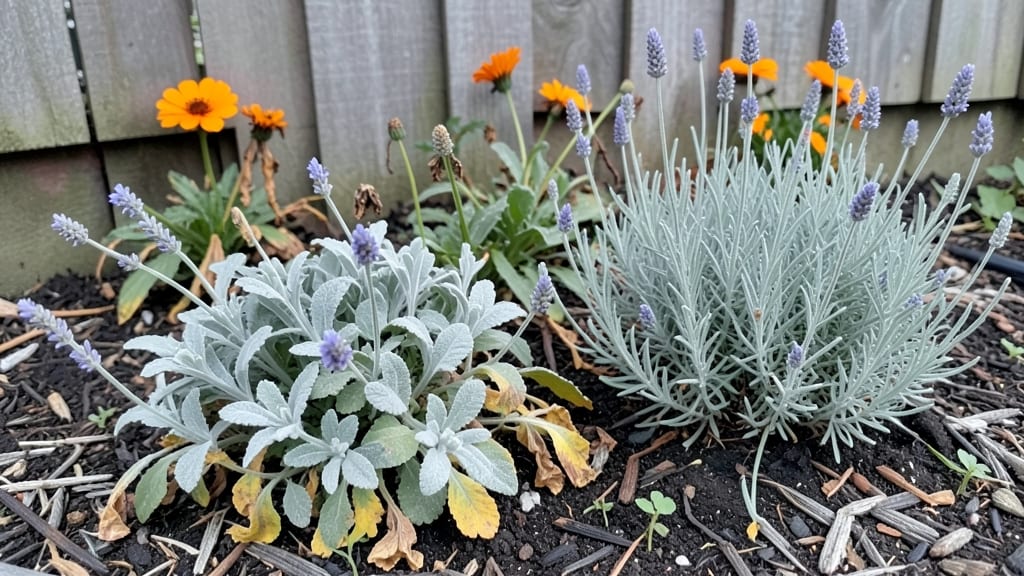
A memorial bench garden transforms grief into something living and beautiful. 🌿 I designed mine after losing my grandfather, and every time I sit there, the lavender and roses remind me of his favorite scent.
The key is blending evergreens for structure with seasonal blooms that change with the light—creating a space that feels like a quiet conversation.
Start with a sturdy bench placed where sunlight lingers into evening, surrounded by low-maintenance perennials like hostas and ornamental grasses. Add symbolic plants: white roses for purity, blue delphiniums for hope, or even a small tree if space allows.
The soil should drain well, so raised beds or slopes work beautifully if your yard is flat.
By summer, you’ll have a fragrant retreat where the scent of blooms mingles with the rustle of leaves. In winter, the evergreens keep the space feeling warm, while seasonal interest from berries or bark adds texture. This isn’t just a garden—it’s a place to sit, remember, and find peace.
Works in any yard size, from a cozy corner to a sprawling backyard. The magic is in the personal touches—whether it’s a favorite quote carved into the bench or the way the light filters through the branches. Let’s bring your loved one’s memory to life, one plant at a time.
📚 In This Guide
- What you need
- Instructions
- Tips and common mistakes
- Wrapping up and next steps
What you need
- ● Bench frame: Pressure-treated wood (2x4s, 4x4s for legs) – ~10-15 linear feet
- ● Outdoor screws (3" deck screws) – ~50-75 screws
- ● Wood stain or sealant (weather-resistant) – 1 quart
- ● Seating: Bench slats (1x6 or 2x4 boards) – ~6-8 boards, 4-6 ft long
- ○ Cushion or padding (optional, weatherproof fabric) – 1-2 yards
- ● Garden base: Gravel or crushed stone (for drainage) – ~1-2 cubic feet
- ● Landscape fabric (to prevent weeds) – 1 roll
- ● Year-round greenery: Evergreen shrubs (e.g., boxwood, dwarf holly) – 3-5 plants
- ● Perennial flowers (e.g., lavender, heuchera) – 5-10 plants
- ● Seasonal blooms: Spring bulbs (daffodils, tulips) – 10-15 bulbs
- ● Summer annuals (petunias, marigolds) – 10-15 plants
- ● Fall mums or ornamental grasses – 3-5 plants
- ● Soil & amendments: Garden soil or potting mix – ~2-3 cubic feet
- ● Compost or slow-release fertilizer – 1 bag
- ● Required: Circular saw or handsaw
- ● Drill & driver bit set
- ● Level, measuring tape, and pencil
- ● Shovel, garden gloves, and wheelbarrow
- ● Paintbrush (for sealant)
- ○ Optional (for personalization): Engraved plaque or metal nameplate
- ● Solar-powered garden lights – 2-4 lights
- ● Decorative stones or mulch (e.g., cedar chips)
How to design a memorial bench garden
This is how I create a peaceful, evergreen retreat that honors loved ones year-round.
🪴 Step 1: Choose the Perfect Bench Location
Find a spot that receives 4-6 hours of sunlight daily—most memorial plants thrive with morning sun and afternoon shade. I always check the ground first: it should be level, well-drained, and free of rocks that could damage roots later. If your space has poor drainage, raise the bench on 4-inch cinder blocks or a wooden frame to prevent waterlogging.
Consider the view too. Place the bench where it frames something beautiful—a tree, a pond, or even a favorite garden path. I like to sit there myself before planting to visualize how the space will feel. This ensures the final design feels intentional, not just decorative.
🌱 Step 2: Select Year-Round Plants for Meaningful Layers
Use evergreen shrubs like boxwood or dwarf holly for structure—they provide color and privacy in winter. For flowers, I plant spring bulbs (like daffodils) beneath the bench, summer perennials (such as lavender) around the sides, and fall foliage plants (like Japanese maple) for seasonal interest. Add a small ornamental grass for movement and texture.
I always include at least one fragrant plant—like rosemary or gardenia—because scent triggers memories. Place taller plants behind the bench and shorter ones in front to create depth. If you want a personal touch, add a small plaque or engraved stone near the bench for a quiet tribute.
✂️ Step 3: Prepare the Soil and Install the Bench
Remove any grass or weeds in a 2-foot radius around the bench area. Loosen the soil with a garden fork to 6 inches deep, then mix in 2-3 inches of compost to enrich it. If your soil is heavy clay, blend in 1 part sand to improve drainage. Level the ground carefully—uneven surfaces make sitting uncomfortable.
Install the bench on landscape fabric to prevent weeds from growing through. Secure it firmly so it doesn’t shift in wind or rain. I like to add mulch (like shredded bark) around the base to keep moisture in and weeds out. Leave a 2-inch gap between the mulch and the bench to avoid rot.
☀️ Step 4: Plant and Maintain for Long-Lasting Beauty
Dig holes twice as wide as the root ball but only as deep as the container’s base. Place each plant gently, then fill in with soil and press lightly to remove air pockets. Water deeply right after planting to settle the roots. I always add a slow-release fertilizer to give plants a strong start.
Water new plants every 2-3 days until established, then taper to once a week (more in hot weather). Prune dead flowers regularly to encourage more blooms. In winter, add a light layer of mulch to protect roots from freezing. This keeps the garden looking vibrant all year.
💧 Step 5: Add Personal Touches for a Lasting Tribute
Include a small water feature, like a tabletop fountain, for soothing sounds. Or hang a wind chime nearby to add movement. I often plant wildflowers in the surrounding area to attract butterflies—it feels like a living memorial. If you’d like, add solar-powered lights along the path to create a peaceful evening glow.
Finally, place a small bench cushion or throw blanket for comfort. This isn’t just a garden—it’s a place to sit, remember, and reflect. I visit mine often, and it’s always a source of quiet joy.
Tips & tricks for perfect memorial bench garden
Creating a meaningful memorial garden takes thoughtful planning—and these simple tricks will help you avoid common pitfalls while making the space even more special.
Location is Everything: When choosing your 4-6 hours of sunlight spot, I recommend testing it throughout the day. Shadows change, especially in spring and fall, so observe how sunlight moves across the area at different times. This ensures your evergreen shrubs and seasonal flowers get exactly what they need to thrive year-round. Also, avoid placing the bench where it would block existing views—like a beautiful sunset or a cherished tree.
Plant Selection Strategy: For maximum impact, I suggest grouping plants by their seasonal peak times. Place spring bulbs (like daffodils) where they'll bloom beneath the bench when you're most likely to visit in early spring. Position summer perennials (such as lavender) where they'll provide shade and fragrance during warm afternoons. The fall foliage plants (like Japanese maple) should be visible from the bench itself, creating a stunning backdrop for quiet reflection as seasons change.
Soil Preparation Secret: The 6 inches deep soil loosening in Step 3 is crucial, but don't stop there. If your area has compacted soil (common in many yards), consider adding an extra inch of compost to help roots establish more quickly. For clay-heavy soils, mix in 1 part sand to 3 parts soil—this dramatically improves drainage and prevents root rot, which is especially important for memorial plants that should last for years. I've seen gardens fail within months because of poor soil prep, so don't skip this step!
Personalization with Purpose: When adding your small plaque or engraved stone, I recommend placing it where it's visible from the bench but not directly underfoot. A good rule of thumb is to position it about 18 inches away from where you'll be sitting. This creates a natural focal point without disrupting the garden's flow. For extra meaning, consider including a short quote or favorite poem from your loved one—something that will bring comfort whenever you visit.
Pro Tips for Memorial Bench Garden
- Creating a meaningful memorial garden takes thoughtful planning—and these simple tricks will help you avoid common pitfalls while making the space even more special.
- Location is Everything: When choosing your 4-6 hours of sunlight spot, I recommend testing it throughout the day.
- Plant Selection Strategy: For maximum impact, I suggest grouping plants by their seasonal peak times.
Frequently asked questions
about creating a memorial bench garden—because every detail matters when honoring a loved one.How long does it take to establish a memorial bench garden?
A basic memorial bench garden can be planted in a weekend, but full maturity (especially perennials) may take 1–3 years. Start with fast-growing annuals (like marigolds or petunias) for instant color, while shrubs and trees will establish roots over time. Plan for seasonal updates to keep it vibrant year-round!
What’s the best way to maintain a memorial bench garden in winter?
Winter care is simple: mulch heavily (3–4 inches) around plants to protect roots, and water occasionally if temperatures drop below freezing (unless the ground is frozen). Prune dead foliage in early spring, and consider evergreens or winter-blooming plants (like hellebores) for year-round interest.
Can I build a memorial bench garden without professional help?
Start with a pre-made bench (available at garden centers) and container-friendly plants (like succulents or dwarf shrubs) for easy assembly. For DIY benches, use rot-resistant wood (cedar or redwood) and galvanized hardware. Tutorials on YouTube and Pinterest make it beginner-friendly!
What are some low-maintenance plant alternatives for busy caretakers?
Opt for drought-tolerant perennials like lavender, sedum, or ornamental grasses—they thrive with minimal water. Self-seeding annuals (e.g., cosmos or bachelor’s buttons) replant themselves, and evergreen shrubs (boxwood, juniper) add structure with zero seasonal fuss.
How do I troubleshoot a memorial bench garden that’s not thriving?
Check these first:
- Watering issues: Too much (root rot) or too little (wilting)? Adjust frequency based on soil moisture.
- Sunlight mismatches: Move shade-loving plants (like ferns) away from sunny spots.
- Poor soil: Amend with compost or mulch to improve drainage and nutrients.
- Pests: Neem oil or insecticidal soap can gently resolve problems without harming the garden’s serene vibe.
Wrapping up and next steps
A memorial bench garden is more than just a beautiful space—it’s a living tribute that honors loved ones with every bloom and leaf. Whether you’re creating a serene retreat or a vibrant garden, the key is blending meaningful plants with thoughtful design.
Your effort will bring joy, comfort, and lasting memories to visitors year-round.
Ready to turn your vision into reality? Start by sketching your design, gathering your materials, and planting with care. Your garden will grow—just like the love you’re celebrating. 🌿❤️