
Fertilization
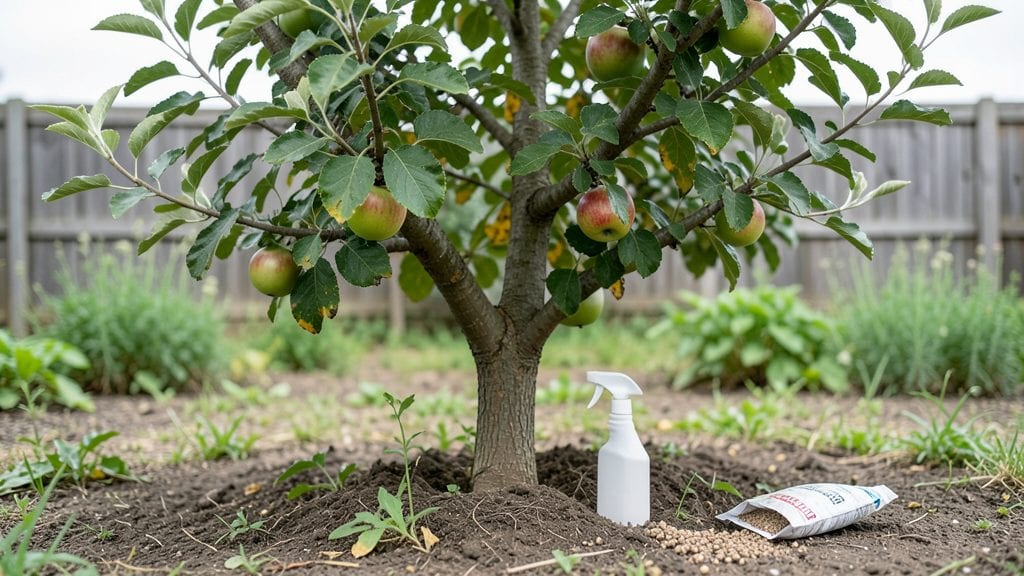
Using apple cider vinegar in gardening transforms it into a versatile soil enhancer that doubles as a natural weed suppressant and pH regulator, thanks to its acetic acid breaking down minerals while discouraging unwanted plant growth and boosting nutrient absorption.
This fermented liquid isn't just for salad dressings—it's a gardener's secret weapon for healthier soil and stronger plants. 🌱 The acetic acid loosens compacted dirt, making it easier for roots to access water and nutrients, while its mild acidity helps balance overly alkaline soils.
I've seen firsthand how a simple 1:1 dilution with water can revive tired garden beds, especially for acid-loving plants like blueberries or azaleas. The key is moderation: too much can harm sensitive plants, so always test on a small area first.
What makes it particularly useful is its dual-purpose nature—you can use the same diluted solution to control weeds by spraying directly on their leaves (the acid disrupts their cellular structure) or as a fertilizer by mixing it with water and compost tea.
For best results, I recommend applying it in the early morning or late afternoon when the sun isn't at its peak, as the acid can degrade quickly under direct UV exposure.
💡 In This Article
- How Apple Cider Vinegar Affects Soil and Plant Health
- DIY Apple Cider Vinegar Gardening Recipes for Common Tasks
How apple cider vinegar affects soil and plant health
Here's what's actually happening when you use apple cider vinegar in your garden: its acetic acid (about 5-6% concentration in raw vinegar) acts as a natural chelating agent.
This means it binds to minerals like iron, magnesium, and calcium in the soil, breaking them down into forms that plant roots can absorb more easily. The acidity also helps dissolve compacted soil particles, creating tiny air pockets that improve drainage and root penetration.
Think of it like a gentle soil massage—loosening what's become too tight over time. 🌱
The pH-balancing effect is where things get really interesting. Most garden plants thrive in slightly acidic to neutral soil (pH 6.0-7.0), and apple cider vinegar can safely lower pH levels in alkaline soils. For example, blueberries need acidic soil (pH 4.5-5.5), while tomatoes prefer 6.0-6.8.
A 1:3 vinegar-to-water dilution applied monthly can shift pH by 0.5-1.0 points over time, but monitor carefully—too much can create a hostile environment for beneficial microbes. The antimicrobial properties also come into play here, as the acidity creates an environment where harmful fungi and bacteria struggle to survive.
What most people don't realize is how differently plants respond based on their natural preferences.
Acid-loving plants like rhododendrons or hydrangeas will show immediate signs of stress if the soil becomes too acidic (yellowing leaves, stunted growth), while vegetables like lettuce or spinach prefer neutral soil and may actually suffer from excessive acidity.
The key is matching the treatment to your specific plants—think of it like choosing the right diet for each species. For example, I've seen azaleas flourish with regular vinegar applications, while my neighbor's basil plants wilted after the same treatment. 💫
Let's talk about the science behind the weed-killing effect. When you spray a 1:1 vinegar-water solution on weeds, the acetic acid penetrates their cell walls, causing them to dehydrate and die within 24-48 hours. This works best on young weeds with tender leaves—their cells can't handle the acidity.
For mature weeds with thick stems, you'll need to apply the solution directly to the leaves (avoiding desirable plants) and reapply every 3-5 days until they brown. The smell is strong initially (like a pungent salad dressing), but it dissipates quickly, leaving no chemical residue behind.
There's another layer to consider: the microbial ecosystem. While apple cider vinegar targets harmful pathogens, it can also temporarily suppress beneficial bacteria and mycorrhizal fungi that help plants absorb nutrients. This is why I recommend using it as a targeted treatment rather than a regular soil amendment.
For example, after using vinegar as a weed killer, I always follow up with a compost tea to reintroduce beneficial microbes. The balance is delicate—like adding a pinch of spice to a dish rather than dumping the whole jar. 🔥
For those growing acid-loving plants, here's a pro tip: mix 1 tablespoon of apple cider vinegar with 1 gallon of water and use it to water your plants monthly during their growing season. This maintains the ideal pH range while providing a gentle nutrient boost.
The vinegar's antimicrobial properties also help prevent fungal diseases like powdery mildew, which is why I keep a batch on hand whenever my garden gets too humid. Just remember: always test your soil pH before and after treatments to avoid over-acidifying.