
Companion Plants
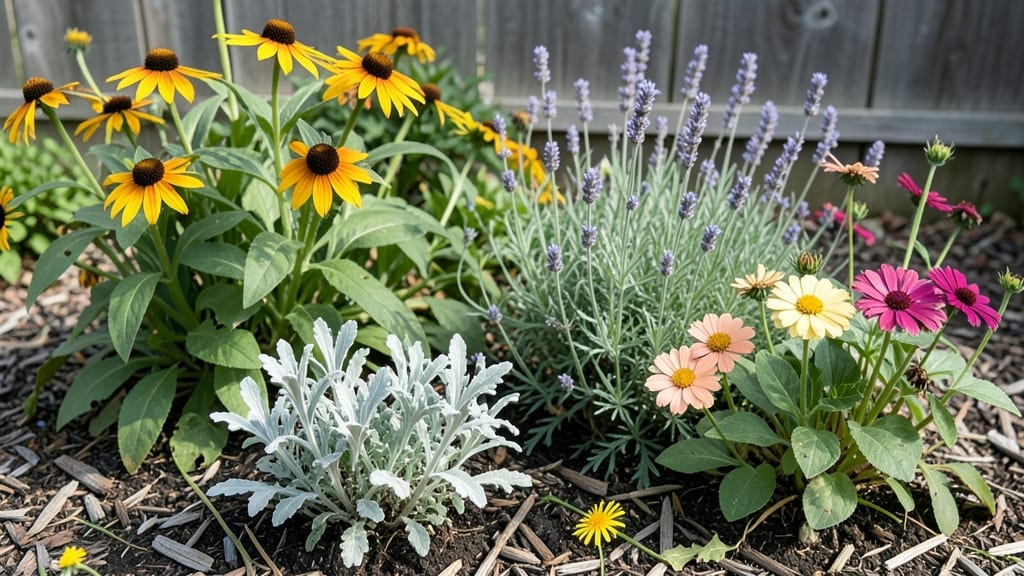
Moving garden plants outside isn’t just about sunshine—it’s about unlocking their full potential in your yard’s natural light. 🌿 I’ve learned that some plants practically glow when they get their daily dose of sun, while others wilt faster than a forgotten watering can.
The key is matching the right plants to your space’s sunlight patterns, whether that’s full sun, partial shade, or even dappled light under trees.
Start with sun-loving thrivers like lavender, coneflowers, or rosemary—they handle heat and dry spells like pros. For edibles, try tomatoes, peppers, and basil, which reward bold sunlight with explosive growth.
Most need well-draining soil and consistent watering, but don’t overdo it: soggy roots are a fast track to trouble. A simple soil mix with compost works wonders for beginners.
Seasonal shifts matter too. Hardy perennials like black-eyed Susans bounce back after frost, while tender annuals like marigolds need to go in after the last frost date. I’ve found that planting in late spring gives heat-sensitive plants a fighting chance, and mulching keeps roots cool in summer.
The payoff? A garden that stays vibrant from spring blooms to autumn harvests.
Even small spaces work—containers and raised beds let you grow sun-hungry plants anywhere. Whether you’re filling a flowerbed or a balcony pot, the right plants and a little sunlight planning turn any outdoor spot into a thriving green haven. Let’s get those plants basking!
📚 In This Guide
- What you need
- Instructions
- Tips and common mistakes
- Wrapping up and next steps
What you need
- ● Sun-loving plants: 5–10 varieties (e.g., lavender, rosemary, marigolds, sunflowers, or succulents). Choose based on your climate zone and soil type.
- ● High-quality potting soil or garden soil: 1–2 cubic yards (or 10–20 bags, ~40 lbs each) for in-ground planting; 5–10 bags for containers.
- ● Organic compost: 1–2 bags (20–30 lbs) to enrich soil and retain moisture.
- ● Slow-release fertilizer: 1–2 bags (e.g., 10-10-10 or organic options like fish emulsion).
- ● Mulch: 1–2 bags (straw, wood chips, or shredded bark) to suppress weeds and retain moisture.
- ● Garden gloves: 1 pair (nitrile-coated for durability).
- ● Hand trowel or transplant spade: 1–2 (for digging and precision planting).
- ● Pruning shears: 1 pair (bypass-style for clean cuts).
- ● Watering can or hose with adjustable nozzle: 1 (for gentle, even watering).
- ● Measuring tape or ruler: 1 (for spacing plants correctly).
- ● Container pots: 3–5 (10–15 gallons each, with drainage holes) for patio or balcony gardening.
- ● Drip irrigation system: 1 kit (to automate watering and save time).
- ● Plant markers: 10–20 (to label varieties and track growth).
- ● Sunlight meter: 1 (to test light exposure before planting).
- ● Solar-powered garden lights: 2–4 (for evening ambiance and safety).
Step-by-step guide to planting sun-loving garden staples
Sun-loving plants transform any outdoor space—here’s how to plant them for lasting beauty.
🌱 Step 1: Prepare the Planting Site
Choose a location with at least 6 hours of direct sunlight daily. Clear the area of weeds and debris, then loosen the soil with a garden fork to a depth of 12 inches. This helps roots spread easily. I like to mix in a 2-inch layer of compost to enrich the soil naturally—this boosts drainage and nutrient availability for sun-lovers like lavender, rosemary, and ornamental grasses.
Test the soil’s moisture by squeezing a handful. If it crumbles easily, it’s ready. If it stays clumped, work in additional compost or sand to improve drainage. Sun-loving plants hate soggy roots, so this step prevents future problems.
☀️ Step 2: Select and Position Plants for Sun Exposure
Group plants with similar sunlight needs together. For example, place full-sun thrivers like coneflowers and black-eyed Susans in the center of the bed, where they’ll receive the most light. Taller plants like sunflowers or ornamental grasses should go toward the back to avoid shading smaller varieties.
Dig holes twice as wide as the root ball and just as deep. Gently remove plants from their containers and loosen any circling roots with your fingers. This encourages outward growth instead of root-bound stress. Place each plant in its hole, then fill with soil, pressing lightly to eliminate air pockets.
💧 Step 3: Water Deeply and Mulch for Retention
Water each newly planted sun-lover with 1 gallon of water per plant, soaking the soil thoroughly. This helps roots establish quickly. I water slowly at the base to avoid runoff, and I repeat this every 2-3 days until plants show new growth—usually within 2-3 weeks. Sun-lovers need consistent moisture during their first season.
Apply a 2-inch layer of mulch around each plant, keeping it 3 inches away from the stem. This retains moisture, suppresses weeds, and regulates soil temperature. Organic mulch like shredded bark or straw breaks down over time, adding nutrients to the soil.
✂️ Step 4: Maintain Through the Growing Season
After the first month, reduce watering to once a week, adjusting for rainfall. Sun-loving plants develop deep roots once established, so they tolerate dry spells better than frequent shallow watering. Watch for signs of stress: wilted leaves or yellowing edges mean it’s time to water again.
Deadhead spent blooms regularly to encourage more flowers and prevent self-seeding. For perennials, cut back foliage in late fall or early spring to promote fresh growth. This keeps your sun garden looking vibrant year after year.
Tips & tricks for perfect sun-loving garden planting
Between us, the difference between a thriving sun garden and one that struggles often comes down to these small but mighty details.
Sunlight Strategy: That 6-hour daily sunlight minimum is non-negotiable for true sun-lovers. I've learned the hard way that even partial shade can turn vibrant coneflowers into sad, leggy plants. For extra insurance, I mark the sunniest spot with a stake before planting—this helps me visualize the light patterns throughout the day. Morning sun is gentler, while afternoon sun is more intense, so position taller plants to shield smaller ones from that hot afternoon glare.
Root Ball Rescue: When you remove plants from their containers, those circling roots are a real problem. I always use my fingers to gently tease them apart—this might take a few minutes but prevents root-bound stress that can stunt growth. Pro tip: If you notice roots growing in tight circles, soak the root ball in water for 10 minutes first to loosen it up before planting.
Watering Wisdom: That 1 gallon per plant initial watering is crucial, but timing matters too. I water in the morning so plants can absorb moisture before afternoon heat evaporates it. For the 2-3 day watering schedule, I set a reminder on my phone—sun-lovers need consistency during their first season. A good rule of thumb: water when the top inch of soil feels dry, but don't let it get bone-dry between waterings.
Mulch Magic: The 2-inch mulch layer isn't just about looks—it's a game-changer for moisture retention and temperature regulation. I use shredded bark because it breaks down slowly, but straw works too. The key is keeping that mulch 3 inches away from stems to prevent rot. A bonus: mulch suppresses weeds, saving me hours of weeding later!
Pro Tips for Garden Plants Outside
- Between us, the difference between a thriving sun garden and one that struggles often comes down to these small but mighty details.
- Sunlight Strategy: That 6-hour daily sunlight minimum is non-negotiable for true sun-lovers.
- Root Ball Rescue: When you remove plants from their containers, those circling roots are a real problem.
Frequently asked questions
What are the best sun-loving plants for beginners?
Start with hardy, low-maintenance picks like lavender (drought-tolerant and fragrant), sedum (succulent and drought-resistant), or marigolds (bright blooms that repel pests). These thrive in full sun (6+ hours/day) and require minimal fuss. Pro tip: Pair them with herbs like rosemary or thyme for a functional, beautiful border!
When is the best time to plant sun-loving garden plants outside?
For most regions, spring (after the last frost) or early fall are ideal—soil is warm enough for roots to establish, but summer heat isn’t overwhelming. Succulents and perennials can handle late-spring planting, while tender annuals (like petunias) wait until soil temps hit 60°F+ ( Use a soil thermometer if unsure!).
How often should I water sun-loving plants outside?
Water deeply 1–2 times per week (more in extreme heat or sandy soil), aiming for 1–1.5 inches of water per session. Early morning is best—it reduces evaporation and fungal risks. Mulch (2–3 inches of straw or bark) locks in moisture and keeps roots cool. Overwatering is worse than underwatering!
What pests commonly attack sun-loving garden plants, and how do I prevent them?
Watch for aphids (on lavender/roses), tomato hornworms (on basil/tomatoes), and Japanese beetles (on roses/hibiscus). Prevent with:
- Neem oil spray (organic deterrent)
- Companion planting (e.g., marigolds near veggies)
- Row covers for young plants
- Handpick pests early (especially caterpillars!)
Can I grow sun-loving plants in containers outside?
Opt for large pots (12"+ diameter) with drainage holes and fast-draining soil (mix potting soil with perlite). Dwarf varieties (like bush beans or compact roses) work well. Move containers if they’re in full sun all day—partial shade in peak afternoon heat can prevent wilting.
What if my sun plants look stressed or wilty?
Check for:
- Underwatering (dry soil 1–2 inches deep? Water deeply.)
- Overwatering (yellow leaves/mushy stems? Let soil dry out.)
- Sunburn (scorched leaves? Gradually acclimate new plants to sun.)
- Nutrient deficiency (pale leaves? Use a balanced fertilizer like 10-10-10.)
Wrapping up and next steps
Transforming your outdoor space into a vibrant, sun-soaked garden is easier than you think! 🌞 From hardy perennials to fragrant annuals, these sun-loving plants bring year-round beauty with minimal fuss.
Whether you’re a seasoned gardener or just starting, every step you take—from soil prep to plant placement—builds a thriving ecosystem that delights the senses.
Ready to roll up your sleeves? Start small—pick one or two plants from this list, experiment with companion pairings, and watch your garden flourish. Soon, you’ll be the neighbor with the greenest (and happiest) yard on the block! 🌸
Next step: Grab your gardening gloves and check out our planting calendar to time your efforts perfectly!