How To
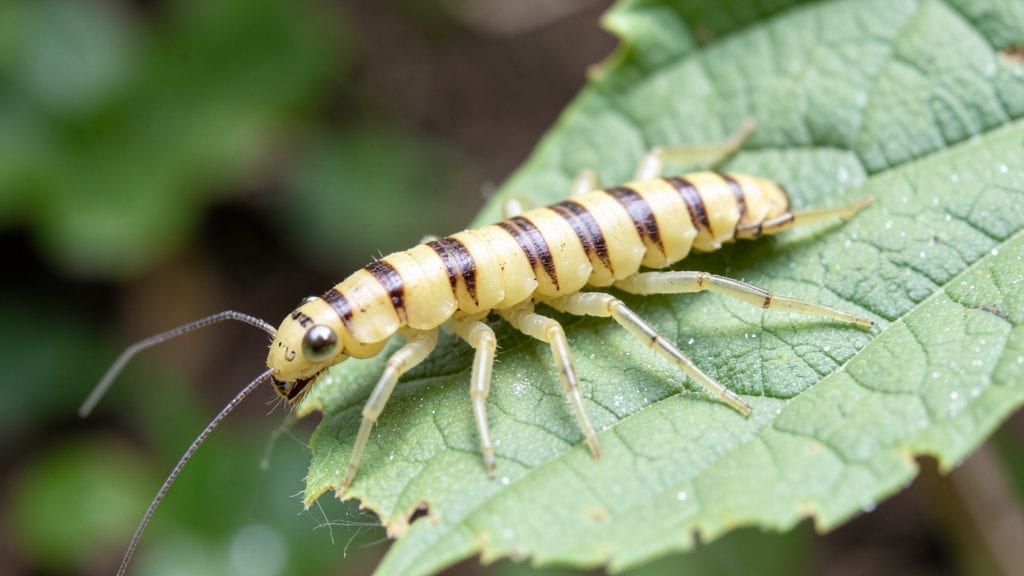
Centipedes aren’t inherently bad for gardens—they actively hunt pests like slugs, aphids, and termites, serving as natural pest controllers. However, large populations can harm young plants or feed on rotting organic matter, so maintaining balance is crucial for garden health.
Centipedes actually play a helpful role in your garden by keeping pest populations in check. 🔥 Their diet includes common garden nuisances like slugs, snails, and even spider mites, which means they reduce the need for chemical pesticides.
However, their appetite for decaying plant material can sometimes create problems if they gather in large numbers near compost piles or mulch. The key is monitoring their presence—if you notice seedlings being nibbled or excessive centipede activity near plant roots, it’s time to take gentle control measures.
What’s interesting is how their behavior shifts with seasons. During warm, humid months, centipedes become more active hunters, which can actually benefit your garden.
But if you’ve recently noticed an uptick in their numbers, it might signal an underlying issue—like too much moisture or organic debris—that’s attracting them in the first place. Addressing these conditions often reduces their presence naturally.
💡 In This Article
- Centipede Diet: Beneficial Predators or Plant Threats?
- Natural Ways to Control Centipede Populations in Gardens
Centipede diet: beneficial predators or plant threats?
Centipedes are opportunistic predators with a diet that primarily benefits gardens by targeting soft-bodied pests. Their venomous forcipules (front legs) allow them to inject neurotoxins into prey like slugs, aphids, and termites, which can devastate plants.
Studies show house centipedes (Scutigera coleoptrata) consume up to 50-100 small insects daily, making them efficient biological controls. Their hunting behavior is triggered by vibrations and chemical cues, so they actively patrol garden soil and leaf litter.
The real concern arises when centipedes shift from hunting pests to feeding on decaying plant matter, young roots, or seedlings. This happens in overpopulated areas where food sources are scarce.
For example, giant centipedes (Scolopendra spp.) can reach 6-8 inches and occasionally bite plant stems, though this is rare. Their preference for moist environments means they often gather near mulch piles or compost heaps, where they may accidentally damage tender shoots while foraging.
The key difference lies in their ecological niche: beneficial when controlling pests, problematic when overabundant in specific microhabitats.
Here's what most gardeners miss: centipedes are indicator species. Their presence suggests high moisture levels or abundant organic debris, which can attract other pests like fungus gnats or earwigs.
If you notice centipedes clustering near newly planted seedlings or compost bins, it’s a sign to adjust irrigation or reduce mulch thickness. Their hunting efficiency peaks at 70-80°F and high humidity, which explains why they’re more active during summer evenings when pests are also most vulnerable.
To put it in perspective, consider this comparison: a single centipede can consume 3-5 slugs per week, while a slug can eat 0.5 square feet of leaf surface in one night. The math clearly favors centipedes as allies.
However, their occasional damage to seedlings (like nibbled cotyledons) often stems from misplaced hunger rather than intentional harm. The solution lies in creating a balanced ecosystem where their predatory instincts are harnessed while minimizing their access to vulnerable plant parts.
What’s fascinating is their hunting strategy: centipedes use ambush-pounce tactics for fast-moving prey (like ants) and trap-feed methods for slower targets (like maggots). This dual approach makes them versatile pest controllers, but it also means they’ll exploit any available food source—including your garden’s most delicate growth points.
The secret to coexistence is maintaining a dry, well-aerated soil surface with minimal organic buildup, which discourages overpopulation while preserving their pest-control benefits.
One final insight: centipedes play a crucial role in nutrient cycling. Their feeding on decaying matter helps break down organic material, though excessive populations can lead to over-decomposition of mulch or compost.
The ideal scenario is a garden where centipedes act as natural regulators—keeping pest populations in check while their own numbers remain stable through natural predation by birds, spiders, and ground beetles. This delicate balance is what transforms centipedes from potential threats into valued ecosystem engineers. 🌱