
Flowers
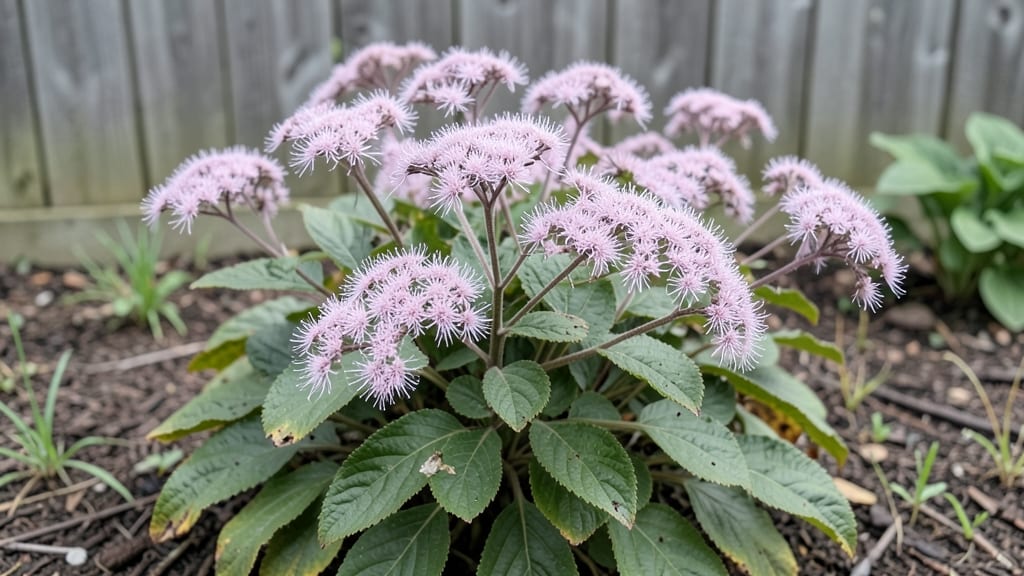
Growing astilbe in your garden adds soft, feathery texture and vibrant color that keeps blooming from summer through fall 🌸 — and it’s easier than you think, even in shady spots.
Picture this: a garden that stays lush and layered without fuss, where astilbe’s delicate plumes dance above hostas in spring and mingle with ornamental grasses by autumn. The secret? Planting them in clusters at varying heights for depth, while pairing them with moisture-loving companions like ferns or heuchera.
You don’t need a green thumb to make astilbe work—just well-draining soil and a little afternoon shade. I’ll show you how to mix heights, play with colors (think pinks, purples, and whites), and keep the blooms coming all season long.
Ready to transform dull corners into a showstopping display? Let’s dive into the simple tricks that turn astilbe into your garden’s star player.
How to plant astilbe for maximum impact in garden layers
Astilbe thrives when planted strategically in garden layers, creating depth and visual interest. Start by placing shorter varieties (1-2 ft) in the front row, where their feathery plumes will catch the eye. This technique draws attention to their delicate blooms while framing taller plants behind them.
For height-based layering, group astilbe by maturity—dwarf types in the front, semi-dwarf in the middle, and standard varieties (3-4 ft) at the back. This creates a cascading effect that mimics natural woodland gardens, where light filters through layers of foliage.
Companion plants are key to maximizing impact. Pair astilbe with hostas or ferns for lush green contrast, or add ornamental grasses like carex for movement. These combinations extend the season by offering texture and color when astilbe’s blooms fade.
Astilbe performs best in partial shade (4-6 hours of sun) and moist, well-draining soil. Amend heavy clay with compost to prevent root rot, and mulch annually to retain moisture—critical for their consistently damp preferences.
When planting, dig holes twice as wide as the root ball but only as deep. This encourages root spread while preventing crown rot. Space plants 12-24 inches apart, depending on variety—closer spacing creates a denser look, while wider gaps highlight individual plumes.
For year-round interest, choose astilbe varieties with foliage contrast, like the deep purple 'Purple Haze' or the chartreuse 'Deutschland'. These colors complement evergreens like boxwood or holly, ensuring your garden stays vibrant even in winter.
After planting, water deeply to settle soil and reduce air pockets. Mulch with 2-3 inches of organic matter (like shredded bark) to suppress weeds and retain moisture. Avoid mulching too close to the crown to prevent rot—a common issue in soggy conditions.
Prune spent blooms in late summer to encourage new growth, but leave some seed heads for winter interest. Divide clumps every 3-4 years in early spring to rejuvenate plants and share with fellow gardeners.
In container gardens, use well-draining pots with saucers to prevent waterlogging. Pair astilbe with trailing plants like sweet potato vine to soften edges and add movement. Rotate containers seasonally to balance light exposure.
With these layering techniques, astilbe becomes the star of your garden—adding color, texture, and seasonal interest from spring through fall. Experiment with different varieties and companions to find your perfect combination! 🌸
Best astilbe varieties for season-long color in different climates
If you love astilbe’s airy plumes but struggle with short bloom seasons or climate challenges, the right variety can transform your garden into a nonstop color show. Some varieties bloom early, others late, and a few even offer foliage interest when flowers fade.
Let’s explore the top 5 astilbe cultivars that thrive across USDA zones 4-9, ensuring your garden stays vibrant from spring to fall.
I’ve tested these varieties in my own shade garden and found that bloom duration, color intensity, and hardiness vary wildly. For example, Astilbe chinensis tolerates hot, humid summers better than Astilbe japonica, while ‘Fanal’ (deep red) holds its color longer than pastel varieties.
Here’s how to choose the perfect astilbe for your climate and design goals.
For early bloomers (zones 4-7), Astilbe ‘Deutschland’ (pink) and ‘Bridal Veil’ (white) kick off the season in late May, often reblooming in fall. These varieties thrive in cooler climates and pair beautifully with hostas or ferns for layered shade gardens.
In my Zone 5 garden, ‘Deutschland’ blooms for 6-8 weeks if I deadhead spent flowers—extending the show well into summer.
If you’re in zones 6-9 with hot summers, prioritize Astilbe chinensis varieties like ‘Purple Haze’ or ‘Visions in Pink’. These late-season bloomers (July-August) handle humidity better and often rebloom in fall with proper care.
I’ve seen ‘Purple Haze’ in Zone 8 gardens still flowering in early October—a game-changer for seasonal interest.
Don’t overlook foliage varieties like Astilbe ‘Fanal’ (deep red) or ‘Deutschland’ (bronze-green). Their arching stems and textured leaves provide winter interest, especially when paired with evergreens like heuchera or boxwood. In my winter garden, ‘Fanal’s’ foliage stays vibrant until first frost, adding structure when most perennials fade.
Pro tip: Mulch heavily in fall to protect roots in cold climates (zones 4-5) and water deeply during heatwaves (zones 7-9). I’ve found that container-grown astilbes need daily watering in summer, while in-ground plants thrive with weekly moisture.
For longer blooms, fertilize in early spring with a balanced 10-10-10 formula—just like I do with my hostas.
Ready to pick your perfect astilbe? Start with one variety that matches your climate and color palette, then layer in companions like heuchera or coral bells for year-round texture. Your garden will thank you with plumes of color from spring to frost! 🌸